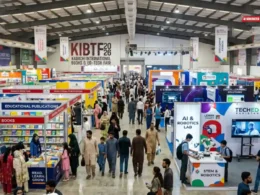






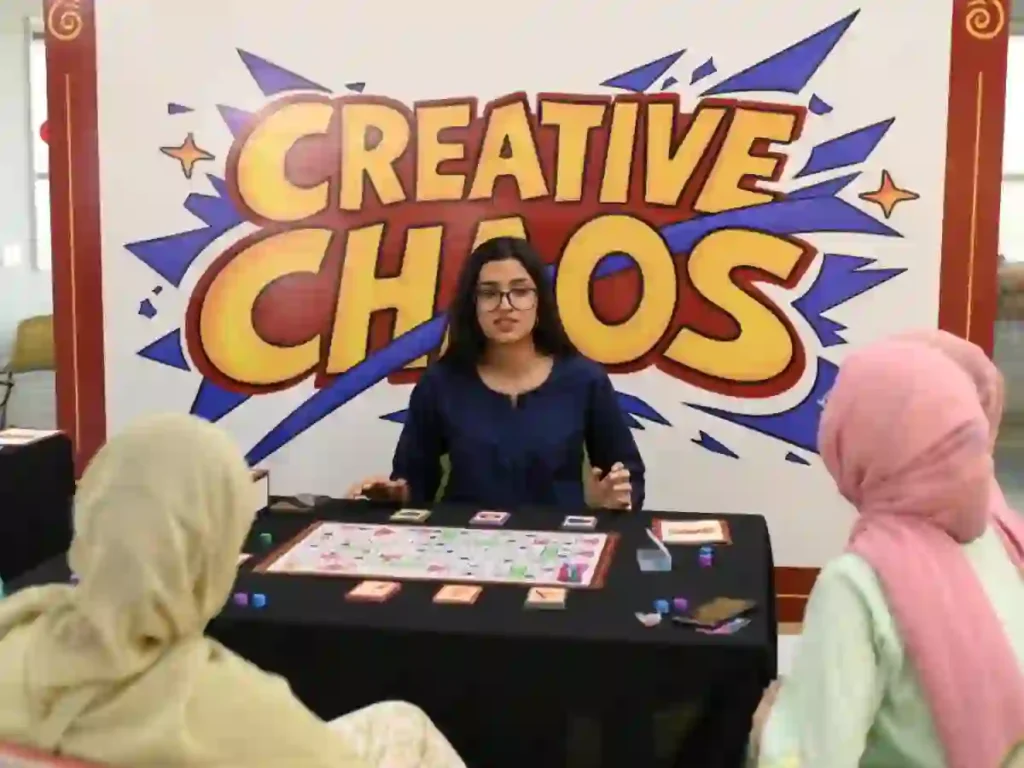
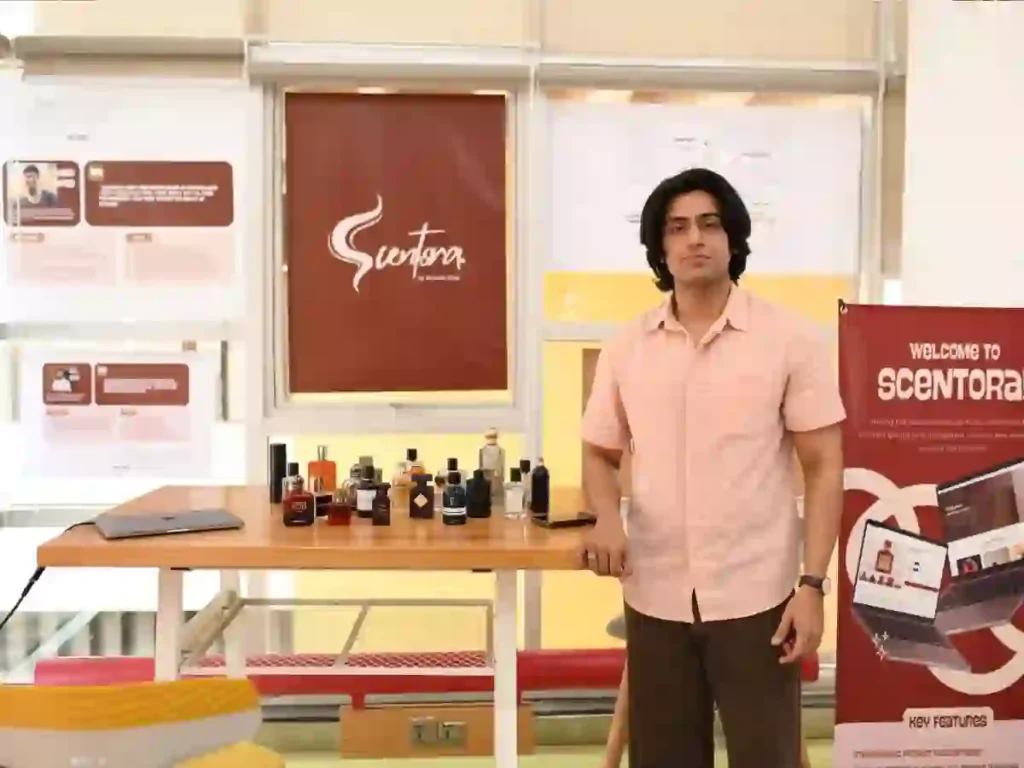
Habib University held its annual Final Year Project (FYP) Showcase on May 16, featuring more than 100 undergraduate research projects focused on artificial intelligence, climate change, gender studies, urban security, and cultural preservation.
The exhibition brought together industry professionals, academics, writers, donors, parents, and members of the public to explore projects developed by graduating students from the School of Arts, Humanities and Social Sciences (AHSS) and the Dhanani School of Science and Engineering (DSSE).
Visit Times of Karachi website for the latest news-related content
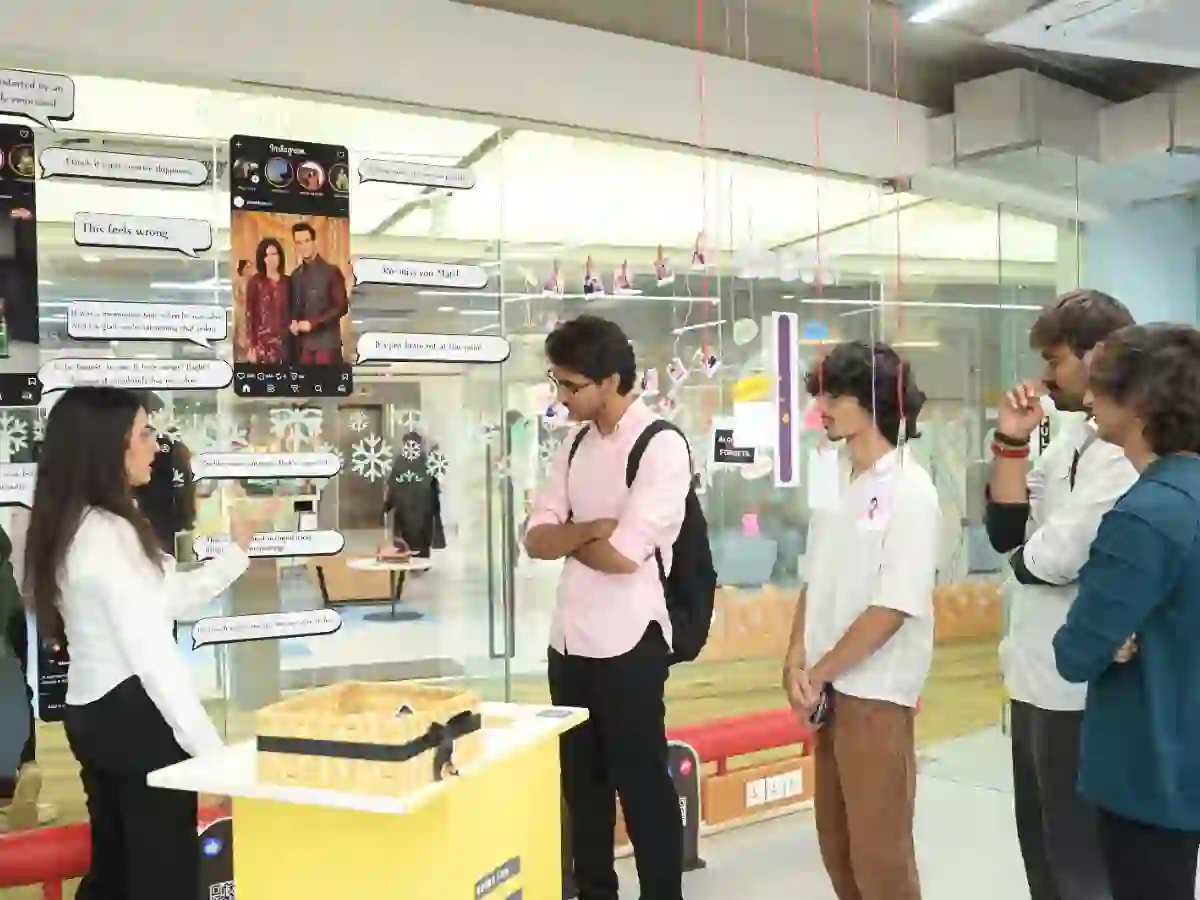
The showcase featured a diverse range of projects, including mobile applications, social research studies, art installations, documentaries, and technology-based solutions addressing social and urban challenges.
Many student projects explored issues directly connected to Karachi’s urban realities while also addressing globally relevant concerns such as technological ethics, displacement, accessibility, and environmental stress.
One of the highlighted projects, “NeuroZawiya,” was developed by Computer Science students as a digital support platform for neurodivergent students facing executive dysfunction. The team explained that students with ADHD and dyslexia often struggle with complex academic systems and emphasized the need for more accessible educational environments.
Another project from the Social Development and Policy program, titled “Hifazat and the Home: Negotiating Domestic Security in Karachi, Pakistan,” examined how perceptions of insecurity influence household security spending and urban architecture in Karachi. Researchers introduced the concept of a “Phantom Siege,” arguing that middle-class security behavior is often shaped by fear and anticipation rather than actual crime trends.
Students from the Comparative Humanities program also presented “Songs from a Burning Harmonium,” an ethnographic study documenting Afghan refugee musical traditions in Karachi. The project explored how classical Afghan melodies and instruments help preserve cultural identity among displaced communities living in Pakistan.
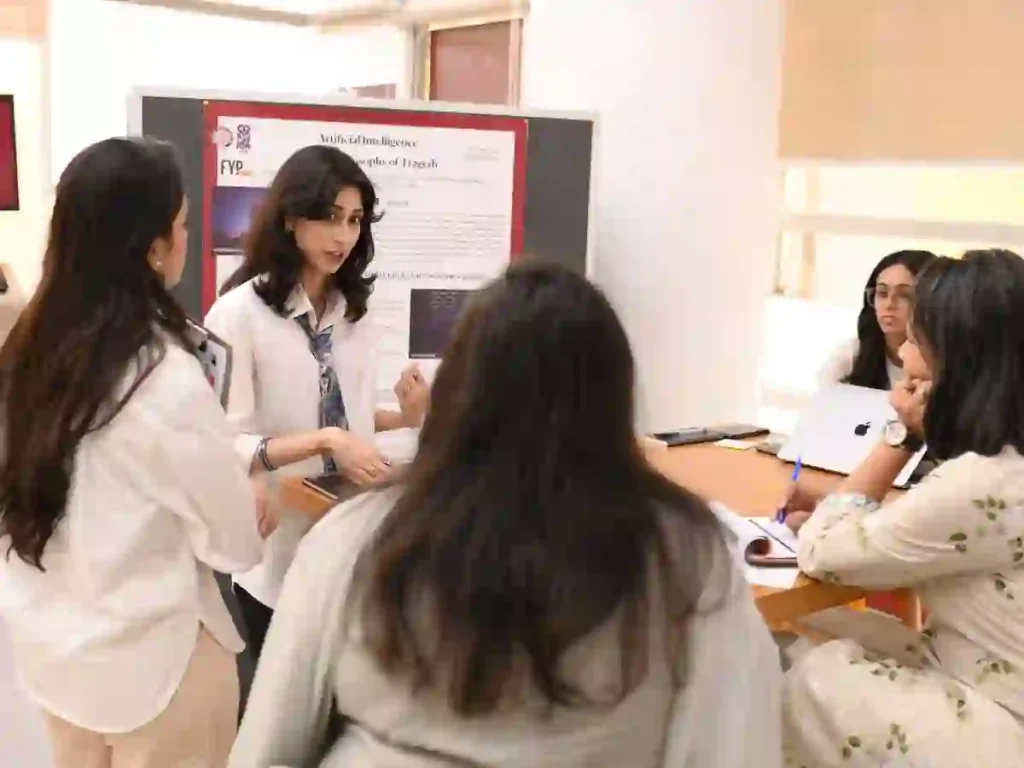
Several projects also addressed governance and ethical concerns surrounding artificial intelligence, focusing on how emerging technologies can support human work instead of replacing it.
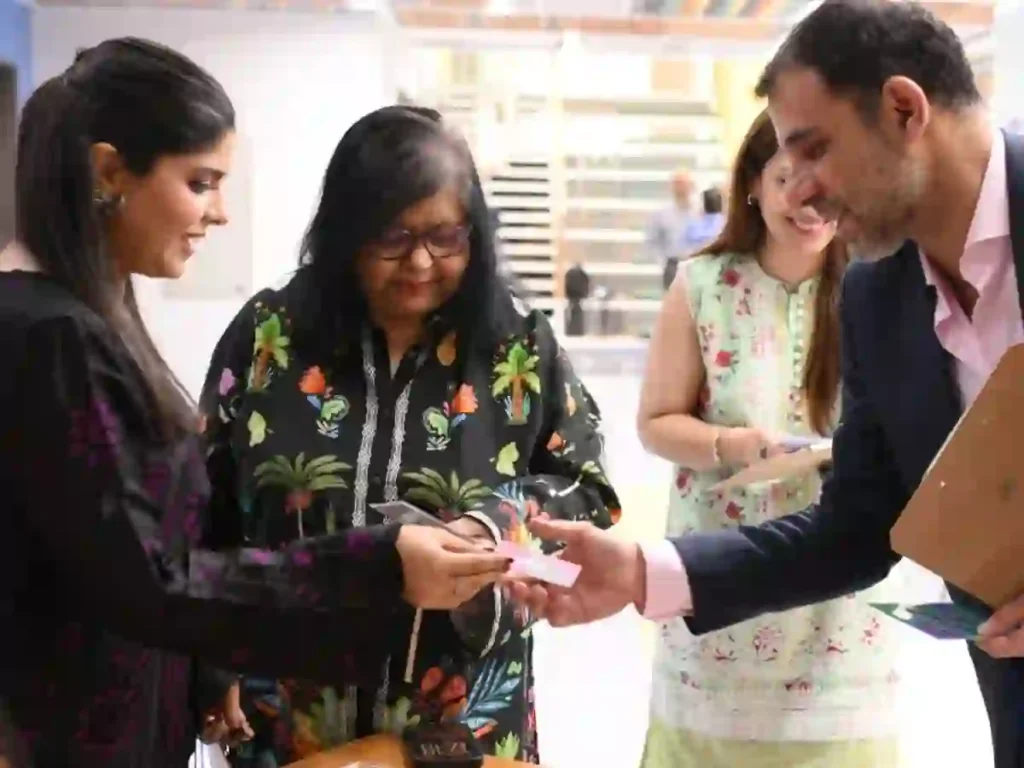
The exhibition additionally included industry-linked projects developed through the university’s Office of Takhleeq, which connects students with corporate and industrial partners. Collaborations with companies including Toyota and Dawlance focused on manufacturing efficiency, waste reduction, and technical fault management.
Parents and visitors praised the creativity and research quality displayed during the event. One attendee described the projects as exceeding expectations and reflecting significant effort from students.
The university said the showcase reflects its broader commitment to positioning undergraduate research in the Global South as a meaningful contributor to practical problem-solving and innovation.
Follow the Times of Karachi channel on WhatsApp
Located in Karachi, Habib University is a liberal arts and sciences institution known for its interdisciplinary curriculum based on the philosophy of Yohsin, which encourages students to engage critically with social, scientific, and cultural challenges facing society today.