




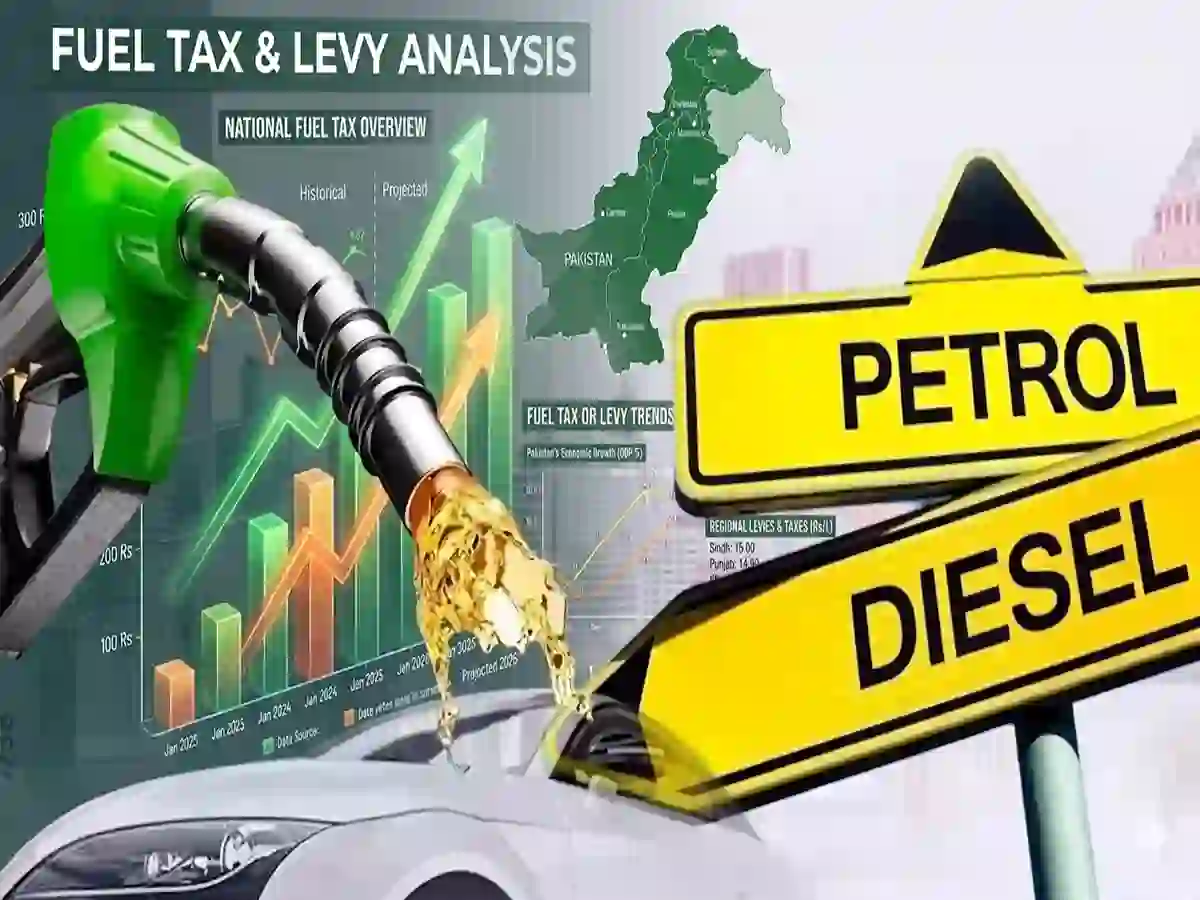
A new analysis based on official data from Oil and Gas Regulatory Authority and Pakistan’s Ministry of Energy has revealed that consumers are paying nearly Rs145 in taxes and levies on every litre of petrol sold in the country.
According to the report, the maximum depot price of petrol from May 9, 2026, was fixed at Rs414.78 per litre, out of which Rs144.26 consists of government taxes, duties, and levies. This means around 34.8 per cent of the total petrol price is made up of indirect taxation.
The analysis was published by Mountain Ventures, a Dubai-based consultancy firm working in energy, technology, and market restructuring sectors.
Visit Times of Karachi website for the latest news-related content
The report stated that the largest portion of the tax burden comes from the Petroleum Development Levy (PDL), with the government collecting Rs117.41 per litre under this head alone. In addition, consumers are paying Rs24.35 per litre in customs duty and Rs2.50 as climate support levy.
According to the breakdown, the actual cost of petrol stands at Rs246.76 per litre, accounting for nearly 59.5 per cent of the final retail price.
Also Read:
Major relief announced for bike taxi riders
amid rising petrol prices in Sindh
The report further noted that marketing and distribution charges add another Rs23.76 per litre. These include Inland Freight Equalization Margin (IFEM), oil marketing company margins, and dealer commissions.
Meanwhile, the maximum depot price of high-speed diesel (HSD) has been fixed at Rs414.58 per litre. Unlike petrol, the actual fuel cost forms a much larger portion of diesel pricing at Rs314.16 per litre.
Follow the Times of Karachi channel on WhatsApp
The analysis showed that diesel carries taxes and levies worth Rs76.16 per litre, which is significantly lower than the tax burden imposed on petrol.
The findings have once again triggered debate over Pakistan’s fuel pricing structure, especially at a time when rising fuel costs continue to impact inflation, transportation expenses, and household budgets across the country.
Pakistan has increasingly relied on petroleum levies in recent years to generate revenue and meet fiscal targets, despite fluctuations in global crude oil prices.