




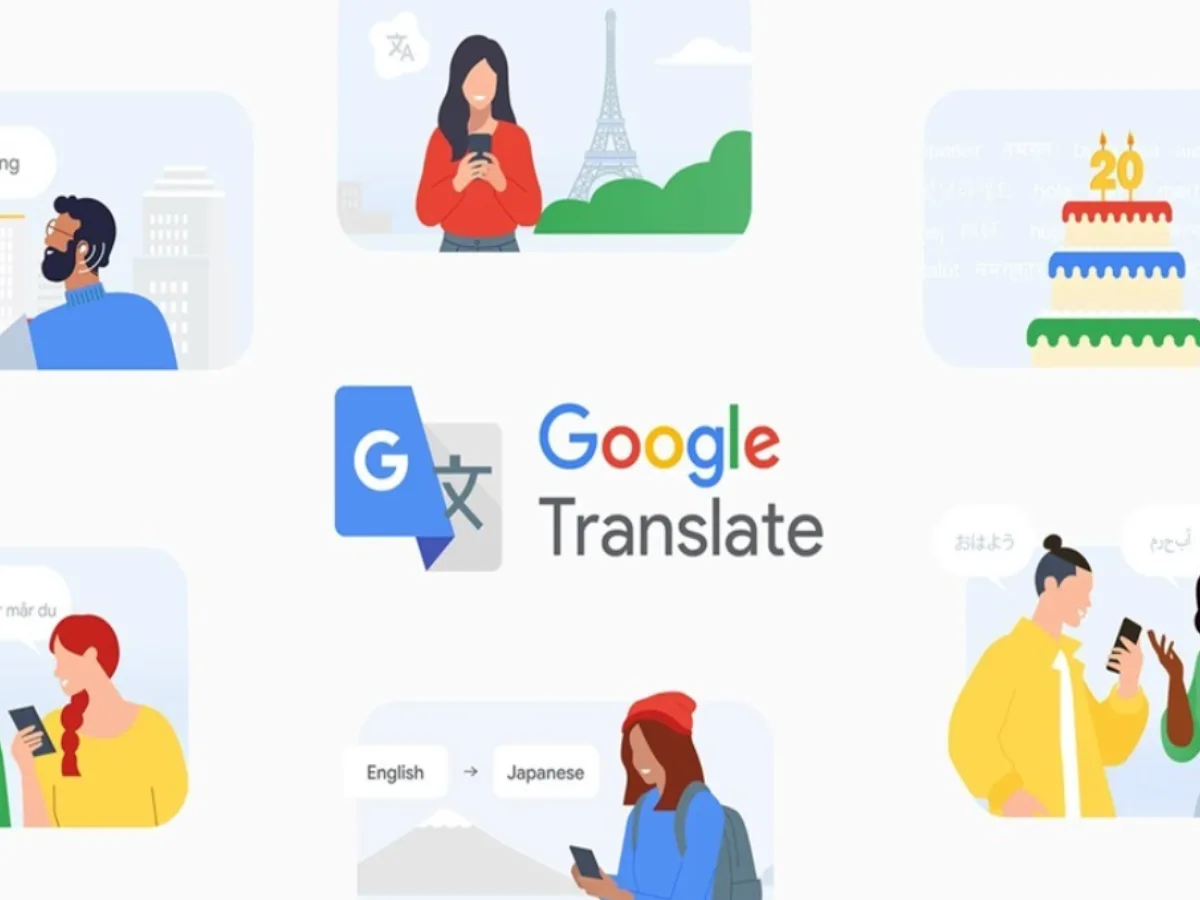
Google is celebrating 20 years of its widely used tool Google Translate, highlighting its evolution from a basic translation experiment into a powerful AI-driven platform used by over one billion people worldwide.
Launched in 2006, Google Translate initially relied on statistical models but has since transformed into an advanced artificial intelligence system.
Visit Times of Karachi website for the latest news-related content
Today, it supports nearly 250 languages, including Urdu and other regional languages widely spoken in Pakistan.
To celebrate two decades of progress, here are 20 facts about how Translate is shaping the way the world communicates with a special lens on Pakistan:
- Master Your Accent: New AI-powered pronunciation practice helps users in Pakistan improve English speaking skills for education, jobs, and interviews.
- AI From Day One: Translate evolved from statistical models to advanced AI, now widely used by students and professionals across Pakistan.
- Global Reach: Nearly 250 languages are supported globally, including Urdu and other South Asian languages relevant to Pakistan’s linguistic landscape.
- A Billion Strong: Over 1 billion users turn to Google for translation help every single month.
- A Trillion Words: Every month, Google translates 1 trillion words—enough text to keep someone reading out loud for 12,000 years.
- Personal Translator: Using your headphones, “Live Translate” preserves the speaker’s original tone while providing real-time audio translation.
- Fluid Conversations: Powered by Gemini, Google’s latest audio-to-audio models enable natural, real-time dialogue that tracks context and nuance.
- Meaningful Connections: Over a third of Live Translate sessions last longer than five minutes, facilitating deep cultural exchanges and interviews.
- Cultural Access: From half-time shows to national addresses, language is no longer a barrier to joining global live events.
- Slang Savvy: Gemini models have mastered the “untranslatable,” capturing tricky idioms, local slang, and subtle regional context.
- The Ultimate Tutor: About one-third of mobile users use Translate as a learning tool, utilizing AI-powered goals to track their language progress.
- Confidence Builder: Nearly half of Google’s “Practice” feature users focus specifically on interactive speaking scenarios to build real-world confidence.
- Offline Access: Offline translation is widely used in remote areas of Pakistan and during travel with limited internet access.
- Visual Menus: Lens has turned the camera into a travel essential, instantly overlaying translations on menus and street signs.
- Circle to Translate: Translation is now one of the top use cases for Circle to Search on Android, from social lyrics to beauty routines.
- Surprising Pairs: While English–Spanish leads globally, English–Urdu remains one of the most used translation pairs in Pakistan.
- Decoding Gen Alpha: Parents are increasingly using AI Mode in Search to translate trending slang like “clock it” and “mogging.”
- Emoji Translator: Users are now asking AI to “translate” prose into emojis, turning standard text into a playful, visual language.
- Inclusive Tech: Search interest in American Sign Language (ASL) translations has hit an all-time high over the last five years.
- Gratitude is Universal: After 20 years, the most translated phrase remains the same: “Thank you.”
Follow the Times of Karachi channel on WhatsApp
Two decades later, Translate’s mission remains unchanged: removing barriers so the world can understand, and be understood by, everyone.