





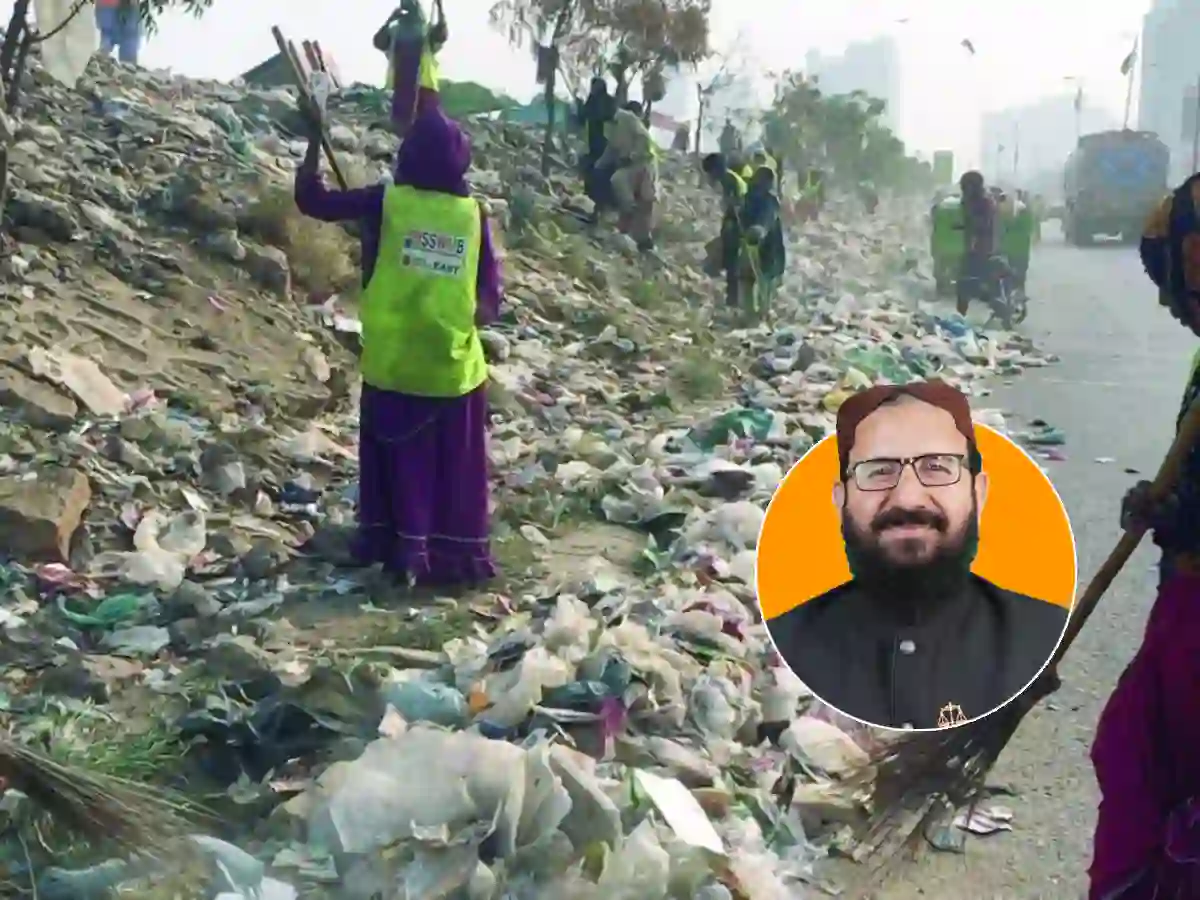
Jamaat-e-Islami (JI) has submitted a resolution in the Karachi City Council, calling for the dissolution of the Sindh Solid Waste Management Board (SSWMB) over what it described as poor performance in managing the city’s sanitation system.
The resolution, moved by JI’s deputy parliamentary leader Fazal Ahad, expressed serious concern that despite an annual allocation of Rs43 billion, the board has failed to ensure effective garbage collection and cleanliness across Karachi.
According to the resolution, garbage is not being collected from households regularly, while streets and neighbourhoods remain unclean.
Visit Times of Karachi website for the latest news-related content
It added that insufficient manpower and lack of proper machinery have led to piles of waste across the city, with clogged drains contributing to foul smells and the spread of diseases.
JI termed the situation alarming and demanded that the Sindh government take immediate action by transferring municipal responsibilities back to town administrations.
The party argued that sanitation services should be managed at the local level for better accountability and efficiency.
Karachi mayor warns action over “Karachi Ko Haq Do” banners
The resolution specifically called for handing over waste collection responsibilities to town municipal corporations and suggested that, until the board is dissolved, new contracts should be signed with towns instead of districts.
It also proposed linking contractor payments to verification by town and union committee representatives.
In addition, JI demanded a forensic audit of the board’s 12-year performance, strict enforcement of existing contracts, and legal action against officials found guilty of corruption or negligence.
Follow the Times of Karachi channel on WhatsApp
The resolution highlighted that under laws passed by the Sindh Assembly in 2014 and 2021, waste management powers were transferred from local bodies to the SSWMB, with the Karachi mayor serving as chairman of the board.
It further stated that despite heavy spending—estimated at around Rs10 million per union committee per month—the sanitation system has failed to deliver results, placing an additional burden on local governments that are forced to manage cleanliness using limited resources.
The resolution urged the mayor to raise the issue with the Sindh government and restore municipal powers to local institutions, while directing the City Council’s relevant committee to present practical recommendations for improvement.