




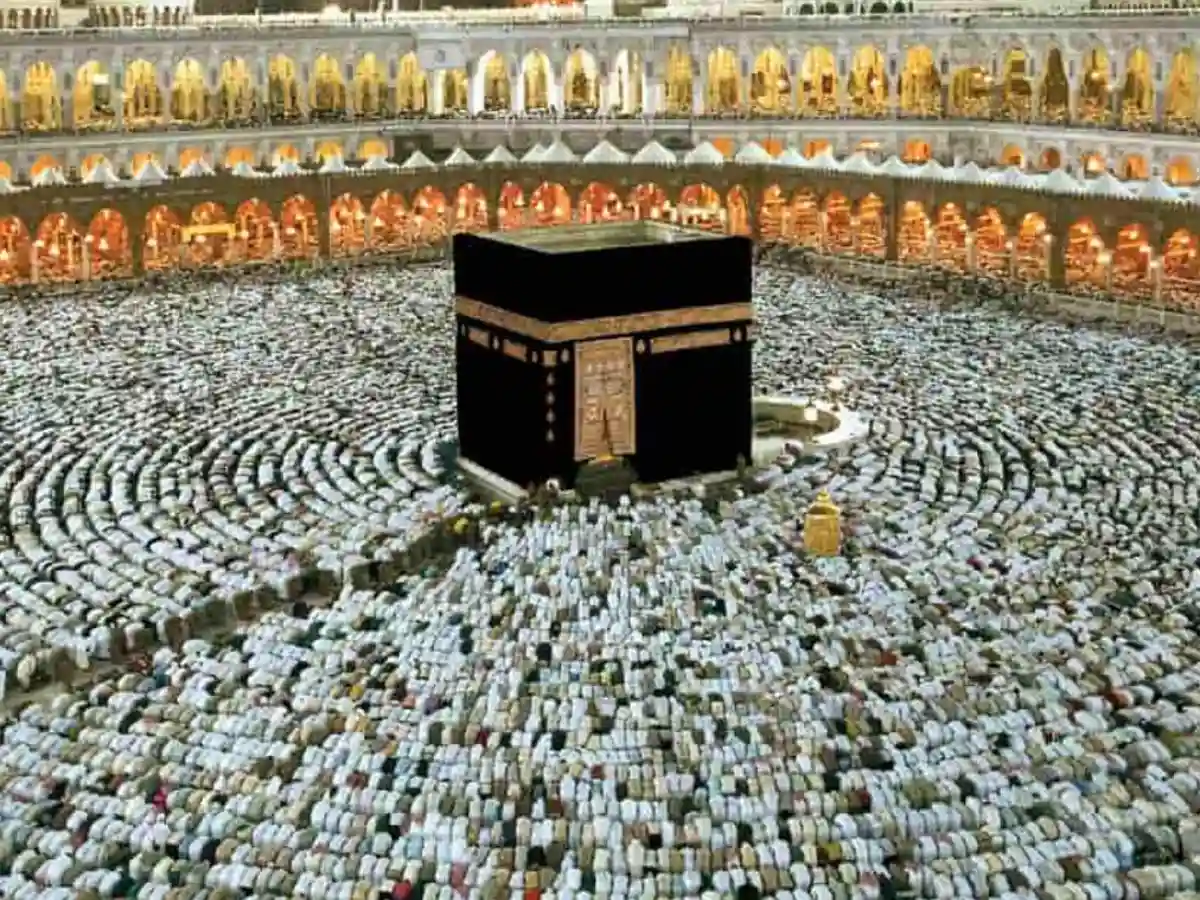
Pakistan has formally requested Saudi Arabia to increase its Hajj 2026 quota to 230,000, in line with the country’s growing population, to allow more citizens to perform the annual pilgrimage.
The request was confirmed by Minister for Religious Affairs and Interfaith Harmony Sardar Muhammad Yousaf while speaking to media in Islamabad on Thursday.
The minister said Pakistan’s current Hajj quota does not fully reflect its population size and rising demand.
Visit Times of Karachi website for the latest news-related content
He expressed hope that Saudi authorities would consider the request positively, keeping in view the large number of Pakistani Muslims wishing to perform Hajj each year.
Earlier, Saudi Arabia allocated a quota of 179,210 pilgrims to Pakistan for Hajj 2026. Out of this, around 118,000 seats have been reserved under the government Hajj scheme, while the remaining quota has been allocated to private tour operators.
Despite this allocation, the government received an overwhelming response, highlighting the need for a higher quota.
READ: Saudi Arabia sets strict new medical rules for Hajj 2026 pilgrims
Sardar Muhammad Yousaf revealed that more than 450,000 applications were received during the Hajj registration process this year. He said the high number of applicants reflects growing public trust in the government-managed Hajj system and its arrangements.
Speaking about facilities for pilgrims, the minister said that over 38,000 intending pilgrims will travel from Islamabad under the Route to Makkah project.
This initiative allows pilgrims to complete immigration procedures in Pakistan, making their arrival in Saudi Arabia smoother and faster. He added that efforts are underway to expand the Route to Makkah facility to Lahore, while currently it is available only in Islamabad and Karachi.
Follow the Times of Karachi channel on WhatsApp
The minister said the government has finalized arrangements for Hajj 2026 in line with the guidance and policies of the Saudi government. He stressed that Hajj training sessions have been made mandatory to ensure that pilgrims are fully aware of Hajj rituals, rules, and administrative procedures.
He informed that the first phase of Hajj training programs will continue across the country until February, helping pilgrims prepare both spiritually and practically for the journey.
Sardar Muhammad Yousaf also urged Khuddam-ul-Hujjaj Nazims to serve pilgrims with dedication and efficiency, calling Hujjaj the guests of Allah Almighty. He shared that during his previous Hajj visits, he did not use any official protocol and personally monitored arrangements.