




Shehbaz Sharif addressed the nation on Monday regarding the worsening situation in the Middle East and its economic impact on Pakistan, announcing a series of austerity measures to manage the country’s energy crisis and stabilize the economy.
During his televised address, the prime minister expressed deep sorrow over the reported assassination of Iran’s Supreme Leader Ali Khamenei and members of his family.
Visit Times of Karachi website for the latest news-related content
He strongly condemned the Israeli attacks on Iran and also criticized strikes on Gulf countries including Saudi Arabia, Kuwait, Qatar, and Bahrain.
Sharif warned that attacks on Gulf states pose a serious threat to regional peace. He said Pakistan stands firmly with these countries during difficult times and considers their security closely linked to its own.
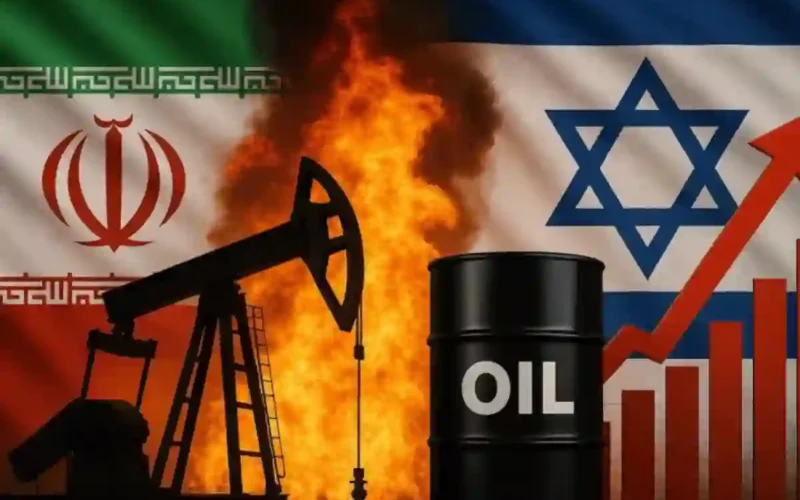
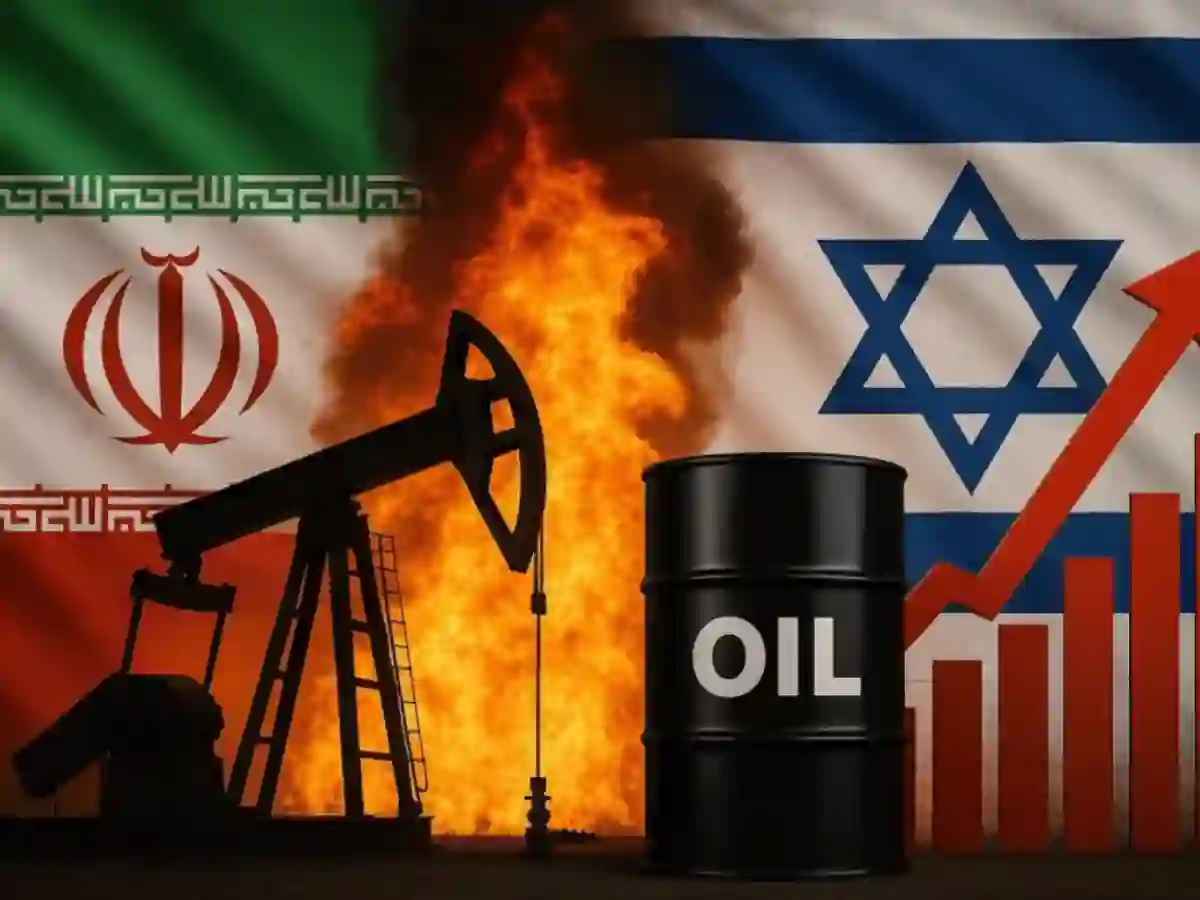
The prime minister noted that global crude oil prices have surged from around $60 to over $100 per barrel, significantly affecting Pakistan’s economy, which relies heavily on oil and gas imports from the Gulf region.
He said the government had to take “difficult decisions” because Pakistan does not control global energy prices.
Black Rain in Iran: What Could Be the Weather Impact on Pakistan?
“Raising petroleum prices was a difficult decision,” Sharif said, adding that while economic realities required it, the government was also concerned about the burden on ordinary citizens.
Government Announces Cost-Cutting Measures
To reduce energy consumption and government spending, the prime minister announced several austerity steps for the next two months:
- Fuel supply for government vehicles will be reduced by 50 percent, except for ambulances.
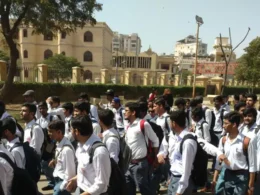
- 60 percent of government vehicles will be taken off the roads.
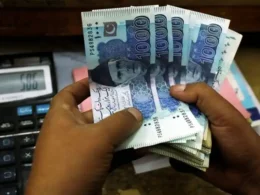
- Federal ministers, advisers, and special assistants will voluntarily forgo two months of salaries and allowances.
- Salaries of members of parliament will be reduced by 25 percent.
- Government departments will cut non-salary expenses by 20 percent.
- A complete ban on purchasing new office items has been imposed across government offices.
Sharif said these measures are necessary to help Pakistan manage rising energy costs and maintain economic stability during the ongoing global crisis.
Follow the Times of Karachi channel on WhatsApp
The announcement comes as tensions in the Middle East escalate following military strikes in Iran and the wider Gulf region.
The conflict has disrupted global energy markets and pushed oil prices sharply higher, raising concerns for oil-importing countries such as Pakistan, which already faces economic challenges including inflation and energy shortages.