





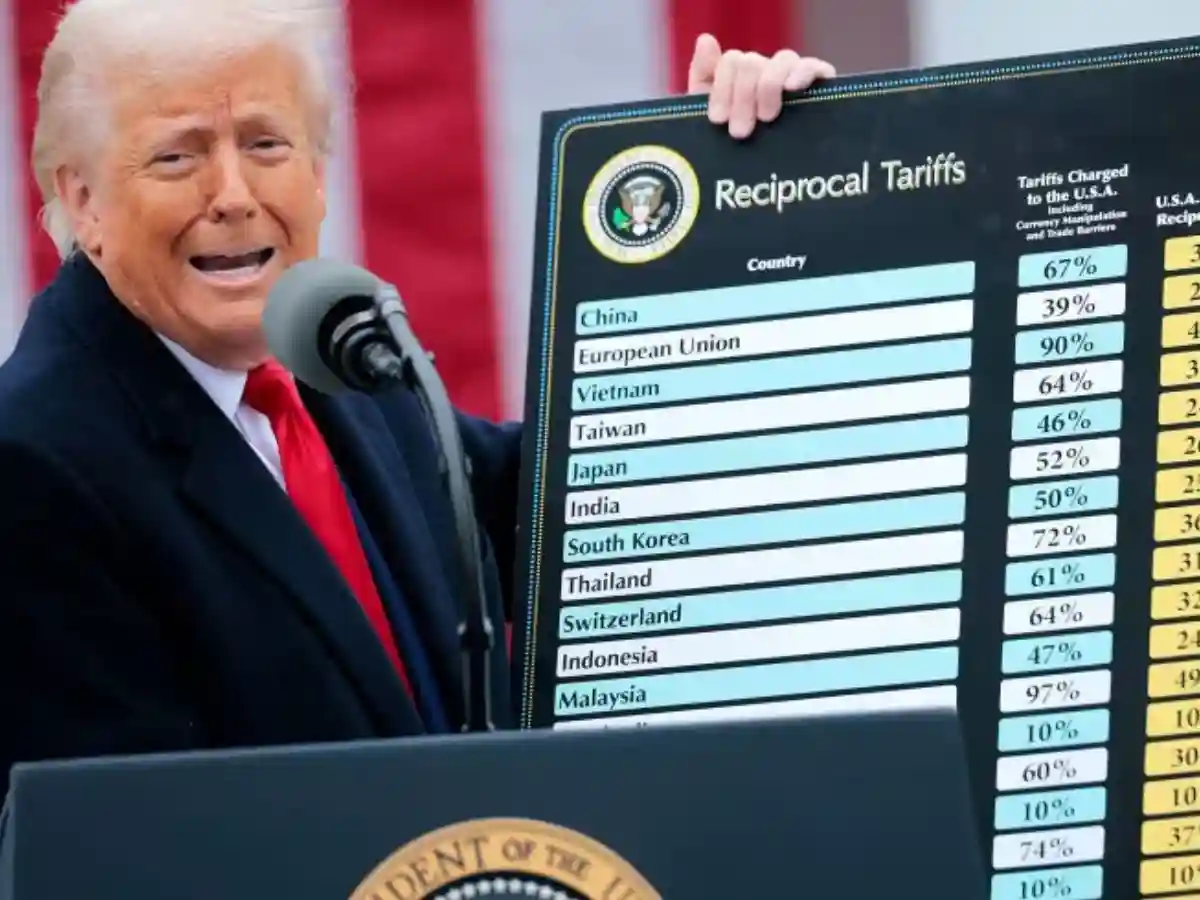
The US Supreme Court has struck down President Donald Trump’s tariff measures, ruling that he violated federal law by imposing sweeping global tariffs without clear approval from Congress.
In a 6-3 majority decision, the court said the president did not have the authority to enforce such broad trade restrictions on his own.
The ruling stated that using emergency powers to impose unlimited tariffs in terms of amount, duration, and scope was beyond the limits set by law.
Visit Times of Karachi website for the latest news-related content
The majority opinion was written by Chief Justice John Roberts.
In the written judgment, Roberts said the claim of “unlimited quantity, duration, and scope” in tariff powers represented extraordinary authority that requires clear legal backing from Congress.
Court Says Congress Approval Is Necessary
The court emphasized that while the president has certain emergency powers, those powers are not enough to justify such wide-ranging trade actions. According to the decision, any major economic policy that significantly affects global trade must have explicit congressional approval.
US President Trump threatens China with 200pc tariff
Legal experts say the ruling sets a new boundary on how far a president can go in shaping trade policy without lawmakers’ consent. The decision may also impact trade agreements signed earlier this year under the disputed tariff measures.
Global Impact and Market Uncertainty
Donald Trump had imposed tariffs on several countries, including Pakistan, as part of his trade policy. The move had triggered debate both inside and outside the United States.
Follow the Times of Karachi channel on WhatsApp
Media reports suggest that other countries are closely watching the development, though it remains unclear how they will respond. Analysts believe the ruling could create uncertainty in ongoing trade negotiations and may require policy adjustments.
Previously, Trump had warned that if the court ruled against his administration, it could create serious challenges for the country’s trade position.
The Supreme Court’s decision now clarifies that major trade actions must align with federal law and receive proper legislative approval. The ruling marks a significant moment in defining the limits of presidential authority over economic and trade matters.