




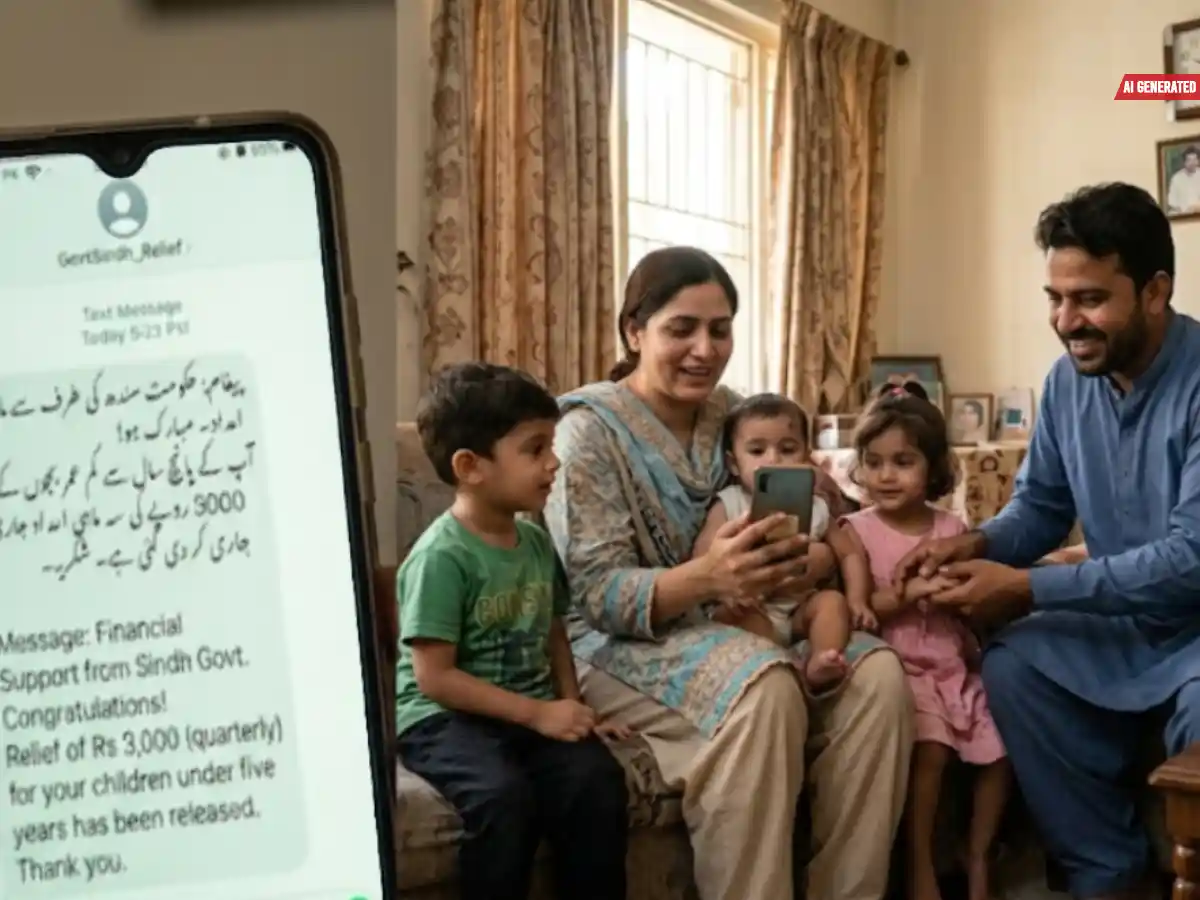
Sindh government has approved a new financial support program under which children from birth to five years will receive a quarterly stipend of Rs3,000.
The decision was taken during a meeting of the Sindh Social Protection Authority chaired by Chief Minister Syed Murad Ali Shah, where key measures were discussed to expand social protection across the province.
According to officials, the initiative will benefit around 885,000 children and rural women, with a major allocation also approved for early childhood development programs.
Visit Times of Karachi website for the latest news-related content
Under the scheme, financial assistance will be provided every three months to support child nutrition, health monitoring, and early education preparedness.
The meeting also approved a large-scale development plan worth Rs14 billion focused on improving early childhood care and support systems across Sindh.
Officials said rural women will also receive monthly financial assistance during non-productive periods to help reduce economic vulnerability and food insecurity.
Also Read:
Sindh announces Fuel Subsidy for Fishermen: Full Guide
The government highlighted that the Mamata Program has already been expanded to 22 districts, benefiting over one million people, with further expansion planned.
To improve transparency and timely disbursement, a hybrid payment model has been introduced to ensure that funds reach beneficiaries without delays.
Authorities also approved the establishment of “Mamata Desks” at district and taluka headquarters hospitals to facilitate registration and support services for mothers and children.
Follow the Times of Karachi channel on WhatsApp
The board further sanctioned oversight measures, including audit, legal, human rights, and research committees, to strengthen governance and accountability within the program.
Officials confirmed that Rs2.29 billion has been allocated for the upcoming fiscal year 2026–27 to support ongoing and new welfare initiatives.
The chief minister said empowering women and ensuring the well-being of children remains a top priority, adding that integrated efforts in health, nutrition, and financial support are key to long-term development.