





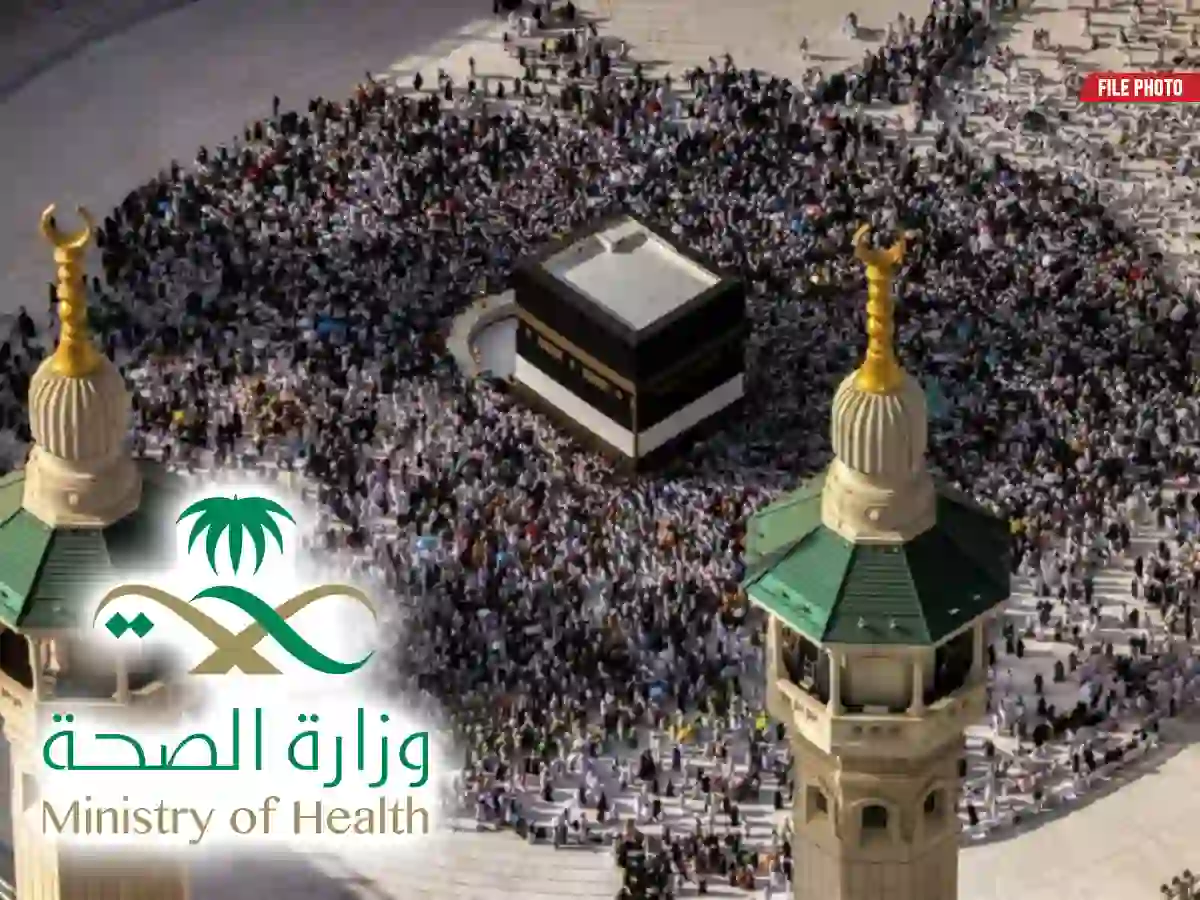
The Saudi Ministry of Health, in coordination with the Public Health Authority, has released updated guidelines for pilgrims, including a list of medical conditions that may prevent individuals from obtaining a Hajj permit this year.
The new rules aim to ensure that pilgrims can safely perform Hajj without facing serious health risks, especially in large gatherings where physical endurance is required.
Visit Times of Karachi website for the latest news-related content
According to the advisory, individuals suffering from severe or advanced medical conditions may not be eligible to participate in Hajj.
These include:
- Kidney Failure Requiring Dialysis
- Advanced Heart Failure
- Liver Cirrhosis
- Severe Mental Illnesses
Also Read:
Pakistan to fully digitalize Hajj operations for 2026
- Dementia
- Advanced Aging
- Pregnancy (Last Three Months)
Officials emphasized that all pilgrims must be physically and medically fit to complete the religious rituals without risk to themselves or others.
In addition to health restrictions, mandatory vaccination requirements have also been announced.
Mandatory Vaccination Requirements for Hajj
1. Meningococcal Meningitis Vaccine
All pilgrims must take one dose of the Quadrivalent Meningococcal Vaccine (Single Dose At Least 10 Days before the Start of the Pilgrimage)
2. Covid-19 Vaccine
The COVID-19 vaccine remains strongly recommended, especially for high-risk groups, including elderly individuals aged 65 and above, pregnant women, and those with chronic illnesses such as heart disease, respiratory conditions, kidney problems, and diabetes.
Follow the Times of Karachi channel on WhatsApp
The Saudi health authorities said these measures are necessary to minimize health risks and ensure a safe pilgrimage experience for millions of muslims performing Hajj each year.