




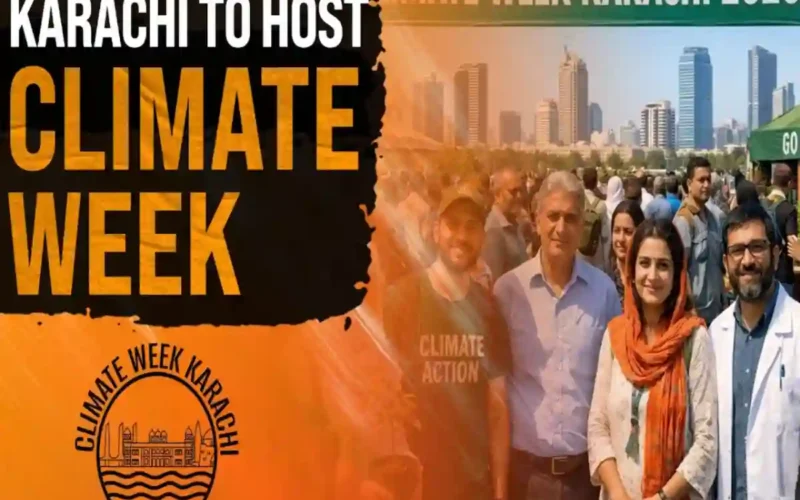
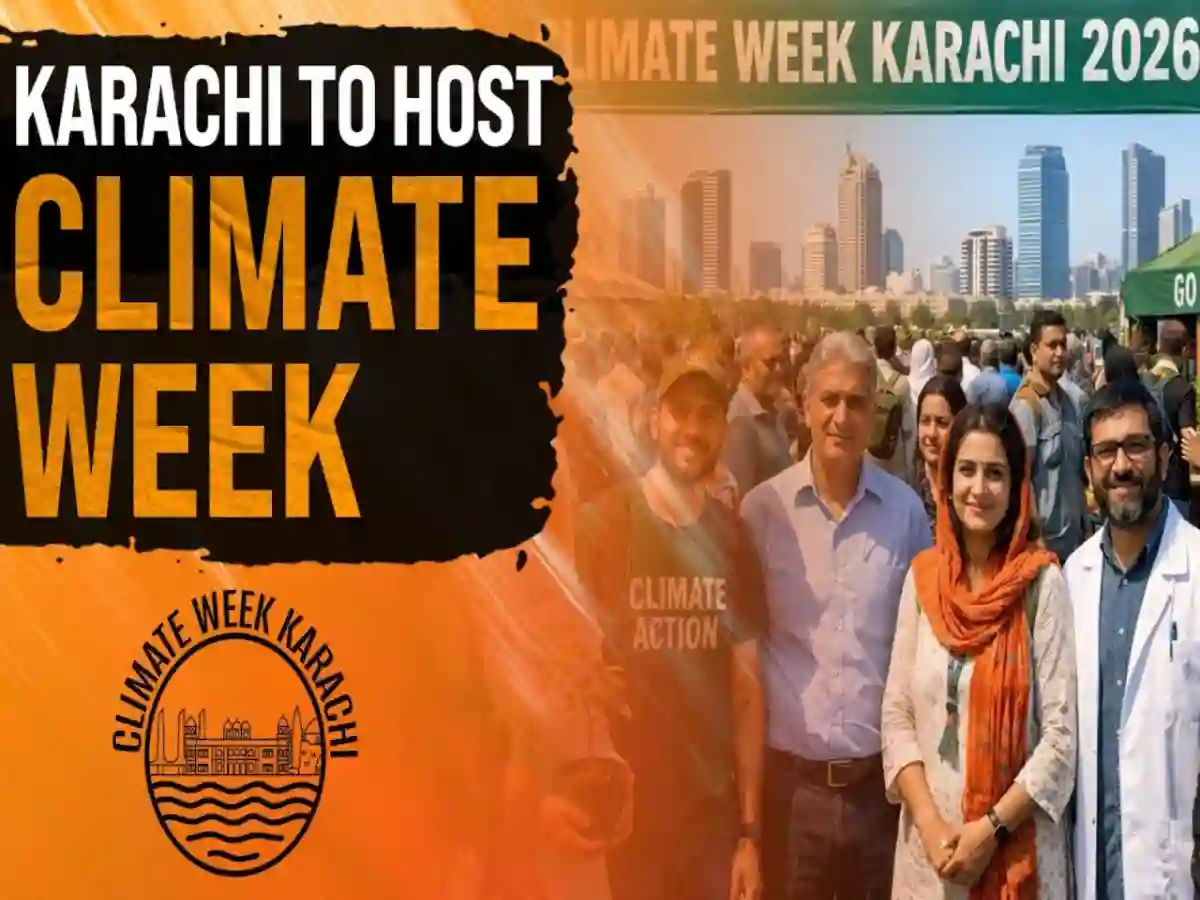
Pakistan’s first-ever citywide climate movement, Climate Week Karachi 2026 (CWK 2026), was officially launched on January 29 in Karachi, marking a significant step toward public-led climate dialogue and action in the country’s largest city.
Organized by the Climate Action Center (CAC), the week-long initiative will run from January 29 to February 4, 2026, bringing together artists, activists, policymakers, academics, journalists, and community members across multiple venues in the city.
Held under the theme “Tides of Karachi: Imagination, City, and Future,” the initiative positions Karachi itself as a living platform for climate engagement.
Artists, activists, policymakers, academics, journalists, and community members are coming together through conversations, cultural programming, screenings, workshops, and public sessions to explore how Karachi can respond to the climate crisis through collective action and imagination.
Visit Times of Karachi website for the latest news-related content
The initiative draws inspiration from the ecological and cultural flows of the Indus, grounding global climate concerns in local realities.
The inauguration ceremony took place at IBA City Campus, led by Warda Mumtaz and co-led by Syed Muhammad Hussain Rizvi, signaling the beginning of what organizers described as a people-centered climate movement that blends culture, creativity, and policy discussion.
Speaking at the launch, Yasir Husain, Director of the Climate Action Center, emphasized the need to build a national climate movement rooted in ecology and collective responsibility.
He said Climate Week Karachi aims to “give impetus to a social movement that is based on ecology and build a national network.”
Climate Week Karachi 2026: Events, Venues and Registration Details
Highlighting development-induced environmental injustices, he referred to projects such as the Malir Expressway, noting that when communities are displaced and their stories go undocumented, climate platforms must step in to amplify these voices.
He described Karachi as a city shaped by complex social, environmental, and infrastructural challenges.
The opening event featured an artistic performance titled “Intesab – Blue Ivy” by artist Teejay Saeed, setting the tone for the week by underscoring the role of art as a medium for climate reflection and expression.
Adding a cultural perspective, Shahzeb Jilani, Director of the Centre for Excellence in Journalism (CEJ-IBA), spoke about the relevance of Shah Abdul Latif Bhittai’s poetry in contemporary climate conversations.
He noted that approaching climate issues through gentleness, care, and cultural memory offers a new lens, reminding audiences that the climate crisis is deeply connected to human survival.
Follow the Times of Karachi channel on WhatsApp
Representatives from government and partner institutions highlighted the importance of collaboration in addressing urban climate challenges. Waqar Phupoto of the Sindh Environmental Protection Agency (SEPA) stressed the role of environmental governance and institutional accountability, noting that Climate Week Karachi brings together individuals and organizations at the forefront of environmental protection and conservation.
He highlighted that Climate Week Karachi brings together people at the forefront of environmental protection and conservation, providing a glimpse into the future of climate leadership in the province.
The launch concluded with reflections on the importance of journalism, storytelling, and public discourse in strengthening climate accountability. Teejay Sayyid, curator of Climate Week Karachi 2026, described Karachi as “a city shaped by water, memory, and emergency,” posing a central question for the week: how to imagine the future of a city already living within the realities of climate change.
Climate Week Karachi 2026 is supported by an extensive network of partners from civil society, academia, media, government bodies, and the creative sector.
Organizers say the initiative aims to foster public engagement, cross-sector collaboration, and imaginative thinking, positioning Karachi as a city capable of shaping just, resilient, and locally grounded climate futures.