



Pakistan continues to face a complex and evolving security landscape shaped by terrorism, militancy, and regional instability.
A high-level strategic session on emerging non-traditional security threats was held in Karachi, where diplomats, retired military officials, academicians, business leaders, and civil society representatives discussed challenges including cyber warfare, misinformation, extremism, climate change, and economic instability.
Visit Times of Karachi website for the latest news-related content
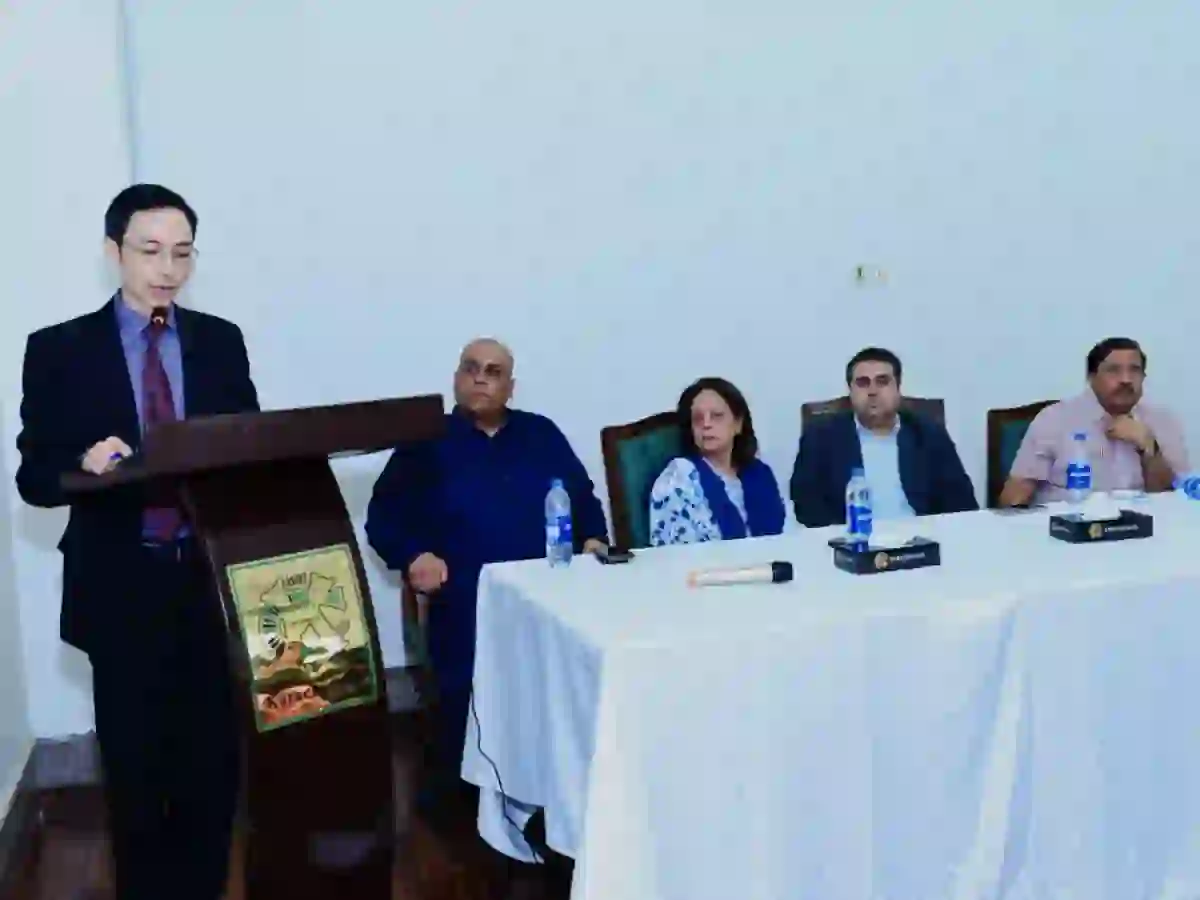
The event, titled “Combating Non-Traditional Security Issues,” was organized by the Pak-Sudan Business Council and brought together local and international participants to examine evolving regional and global security concerns.
The session was led by entrepreneur and Honorary Trade Advisor to Sudan Taab Khan, who stressed the need for collective national efforts to address modern security challenges. He said threats such as social unrest, digital misinformation, and economic uncertainty require cooperation between state institutions and society.
Delivering the keynote address, Haris Nawaz said the nature of global security threats has changed rapidly and now demands coordinated responses beyond traditional military strategies. He emphasized institutional preparedness, strategic policymaking, and national unity to safeguard Pakistan’s stability.
International relations expert Khalida Ghous highlighted the humanitarian and socio-political dimensions of modern security challenges. She said inclusive governance, education, regional cooperation, and social resilience remain critical to countering extremism, disinformation campaigns, and humanitarian crises.
Also Read:
Karachi residents face temporary gas outage
in multiple localities
Adding an international perspective, Chotirat discussed global practices in dealing with transnational threats. He stressed the importance of intelligence sharing, diplomatic coordination, and public-private partnerships to improve regional security cooperation.
Speaking during the session, Taab Khan praised Asim Munir and the Pakistan Army for countering hostile narratives and maintaining national stability amid growing regional challenges. He said professionals, entrepreneurs, and civilians also share responsibility in promoting a positive image of Pakistan internationally.
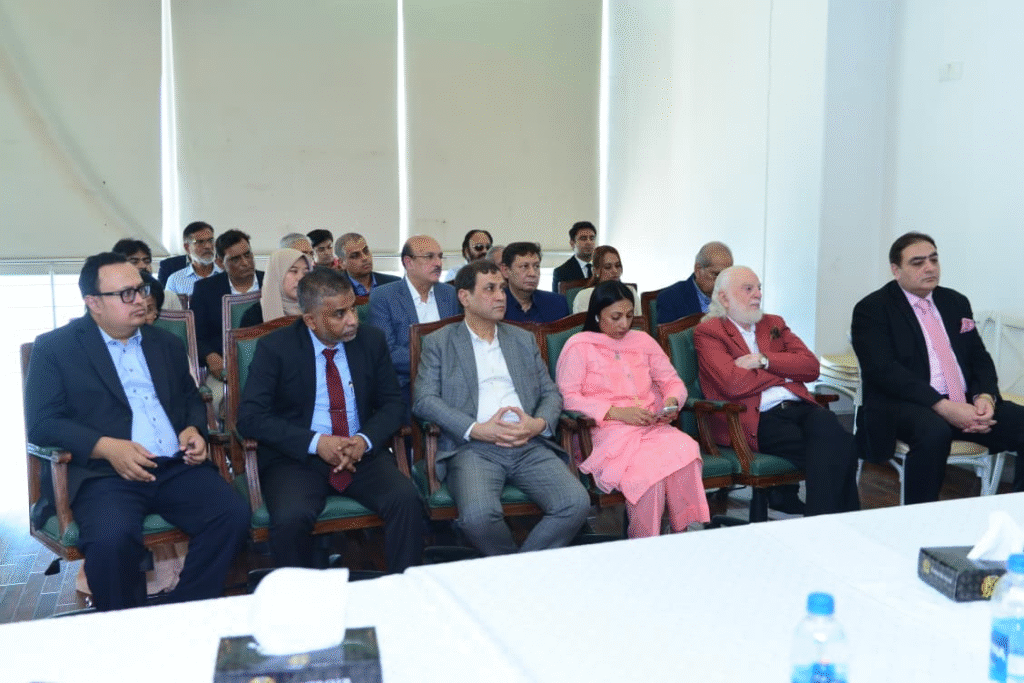
The event was attended by diplomats and prominent figures including Sakib Sadakat, Sanjeewa Pattiwala, Dian Ratri, Abdul Haseeb Khan, Shahida Jamil, and Samreen Hussain.
Follow the Times of Karachi channel on WhatsApp
Organizers said the session concluded with a collective commitment to strengthen cooperation among academia, businesses, civil society, and national security institutions to address modern security risks more effectively.
Non-traditional security threats have increasingly become a major focus globally as countries face challenges linked to cyberattacks, climate-related disasters, misinformation, economic disruptions, and cross-border extremism. Experts say such issues require coordinated policy responses beyond conventional defense mechanisms.