







Pakistan’s wetlands, rivers and coastal habitats continue to serve as critical stopover and wintering grounds for millions of migratory birds travelling thousands of kilometres along the Indus Flyway, one of the world’s major bird migration routes connecting Siberia, Central Asia, Europe and South Asia.
However, increasing habitat loss, pollution, climate change and illegal hunting are placing immense pressure on migratory bird populations and threatening the fragile ecosystems they depend upon.
Visit Times of Karachi website for the latest news-related content
Every year, species including ducks, geese, cranes, bustards, raptors and shorebirds arrive in Pakistan during migration and wintering seasons, playing an important role in maintaining ecological balance and indicating the health of ecosystems that also support biodiversity and human livelihoods.
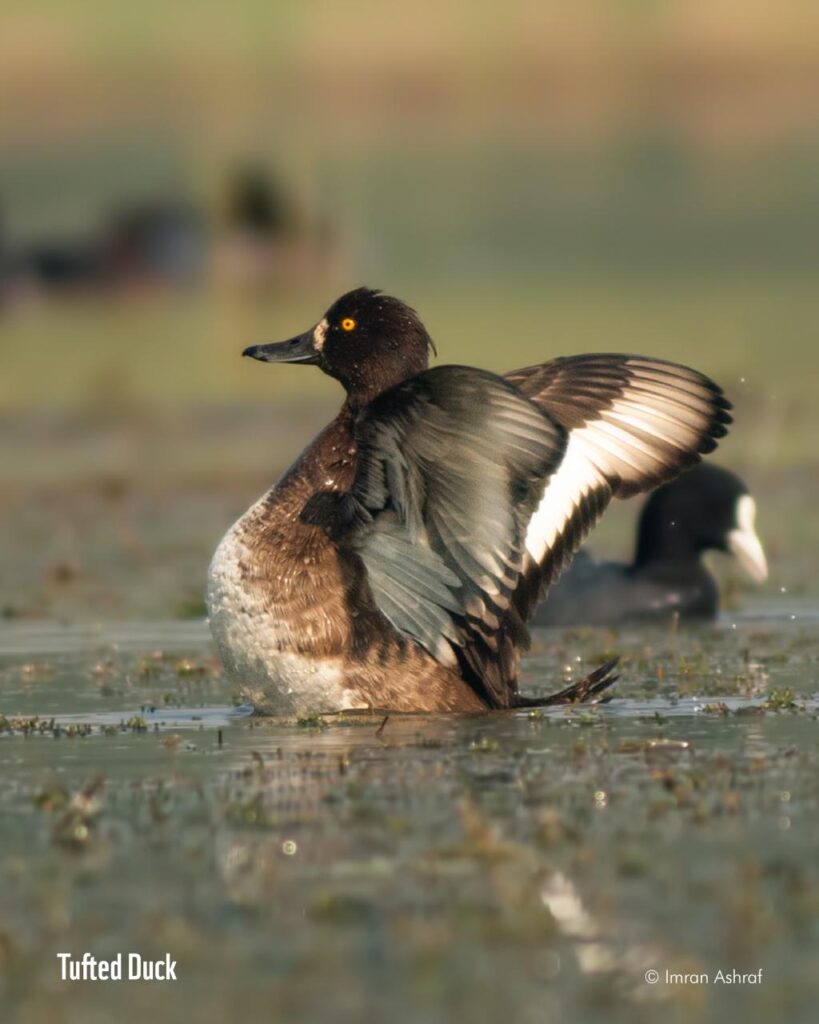
Shrinking wetlands and growing environmental degradation are making these journeys increasingly difficult for migratory species across the region.
The urgent conservation of wetlands and natural habitats across Pakistan is essential to ensure safe passage and survival for migratory birds during their long journeys across continents.
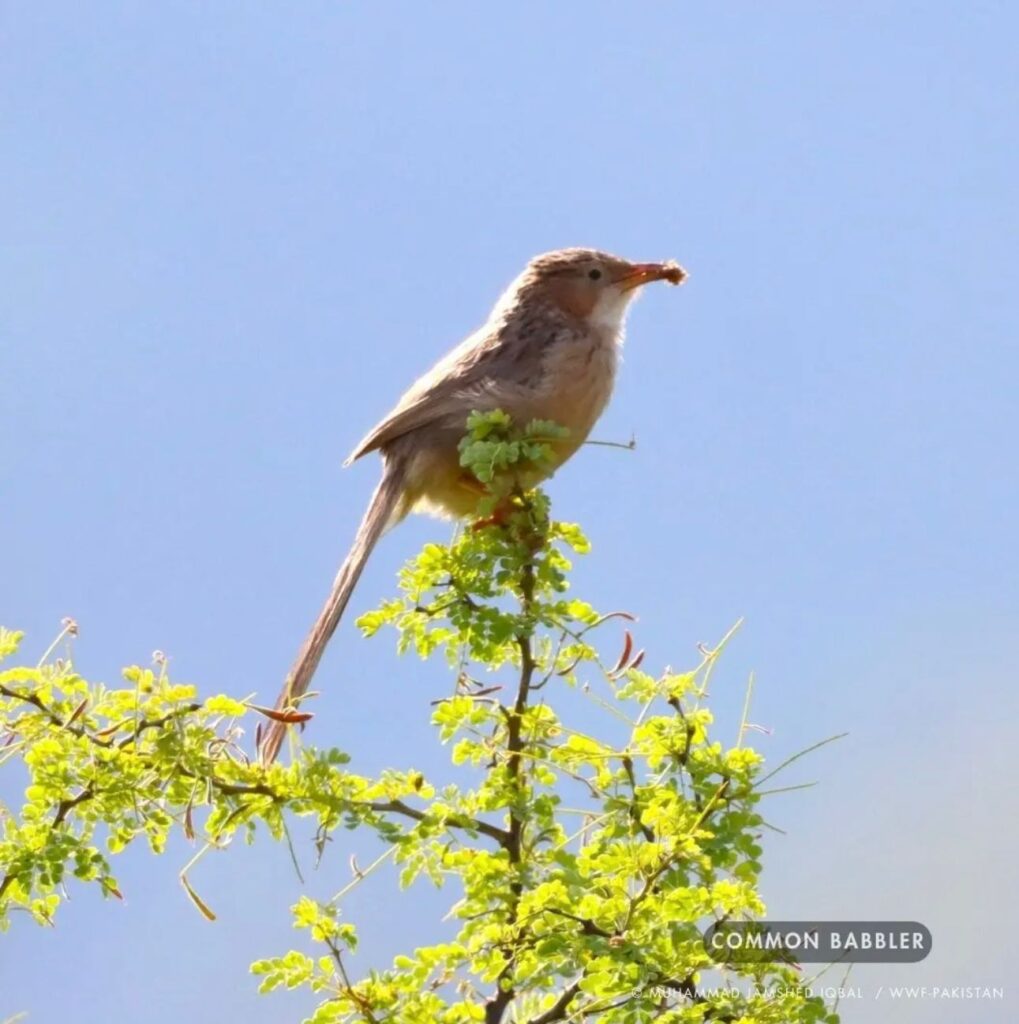
To mark World Migratory Bird Day 2026, WWF-Pakistan is observing the day under the global theme, “Every Bird Counts – Your Observations Matter!” highlighting the importance of citizen science and public participation in migratory bird conservation.
READ: WWF-Pakistan clarifies green glow is natural sea sparkle not pollution
The day aims to encourage people from all walks of life to contribute towards bird observations and monitoring efforts, helping strengthen scientific understanding and conservation action for migratory species.
Every observation shared by birdwatchers, students and nature enthusiasts can contribute to a larger conservation effort and strengthen the scientific understanding needed to safeguard these species and the ecosystems upon which they depend.
Greater public awareness and participation are critical to securing the future of migratory birds in Pakistan.
“Pakistan is a globally important corridor for migratory birds, yet the increasing loss of wetlands, habitat degradation, pollution and illegal hunting continue to threaten their survival,” said Muhammad Jamshed Iqbal, Senior Manager Conservation, WWF-Pakistan.
Follow the Times of Karachi channel on WhatsApp
“Protecting migratory birds requires collective action from government agencies, conservation organisations, academic institutions, local communities and citizens alike,” he added.