





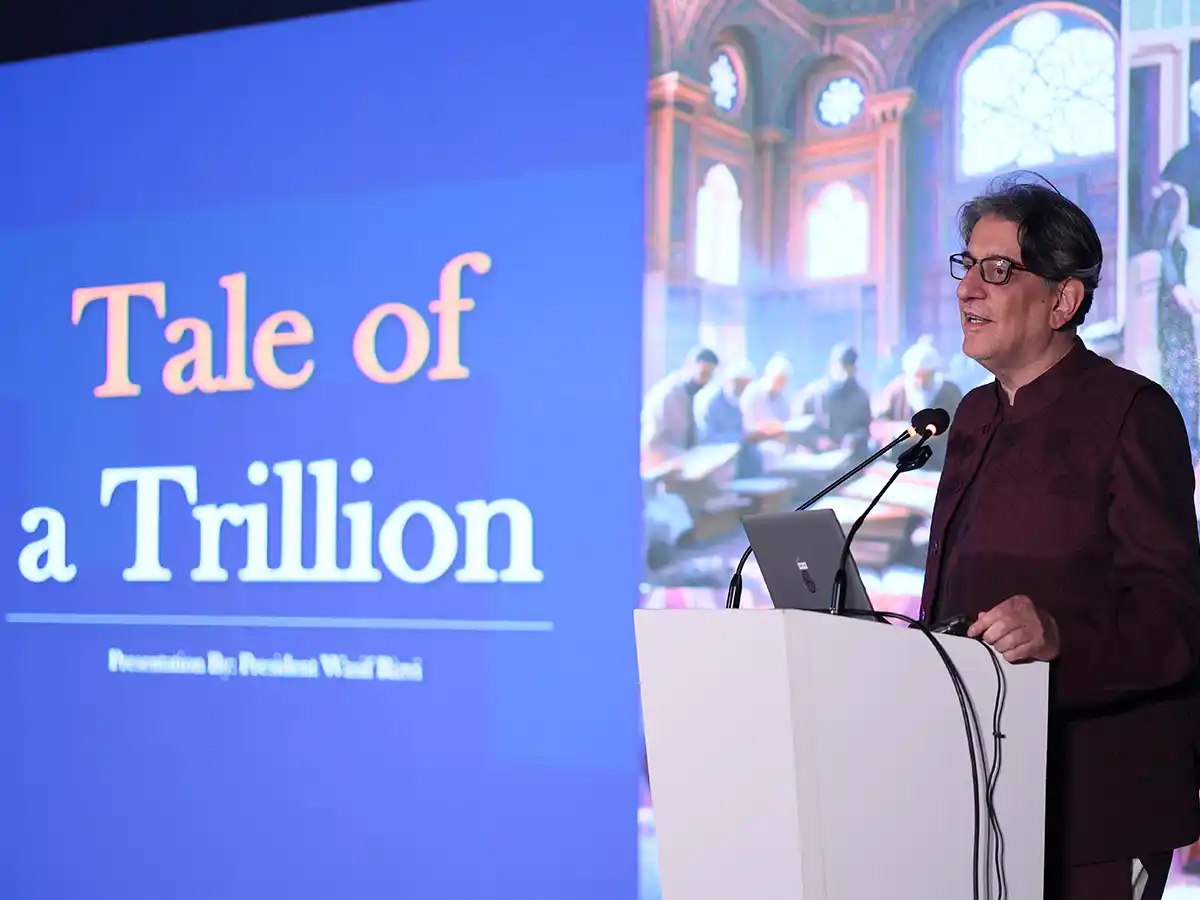
A group of philanthropists and business leaders met in Karachi on March 1, 2026, to discuss a critical national question: Can Pakistan’s strong culture of charity be structured to build long-term strength in higher education?
The event, titled “Building the Future We Owe,” focused on how religious giving – especially Zakat – can go beyond short-term relief and help universities grow stronger for generations.
Pakistan’s Strong Culture of Giving
Pakistanis donate billions of rupees every year through Zakat and voluntary charity. These funds support food drives, hospitals, and disaster relief efforts across the country. In times of crisis, this generosity becomes a lifeline for millions.
Visit Times of Karachi website for the latest news-related content
However, speakers at the Karachi gathering said relief alone cannot secure the country’s future. While charity addresses urgent needs, it does not always build long-term national capacity.
A Call to Support Higher Education
Leaders at Habib University presented a case for directing a portion of faith-based giving toward scholarships and university endowments.
According to university officials, more than 85 percent of Habib University students receive financial assistance. Since its founding, the institution has disbursed over $42 million in scholarships and aid — much of it funded through Zakat and religious donations.
University President Wasif Rizvi delivered a keynote address titled The Tale of a Trillion. He emphasized that nations thrive when they invest in institutions that develop ideas, talent, and leadership.
Karachi Class 9, 10 Exam Dates Announced
“Without predictable, long-term funding, universities remain exposed and fragile,” Rizvi told attendees.
Learning from Islamic History
Speakers also highlighted the Islamic tradition of structured philanthropy. For centuries, charitable endowments supported major centers of learning across the Muslim world.
Institutions such as Bayt al-Hikma and Al-Azhar University were built on endowments that sustained scholarship and research.
Great scholars like Al-Khwarizmi emerged from these systems, where education was seen as a collective responsibility funded by philanthropy.
Participants at the Karachi event argued that modern Muslim societies, including Pakistan, now allocate only a small share of charitable giving to higher education and research.
Why This Matters for Pakistan
Public universities in Pakistan face limited government funding. Private universities are still building their endowment systems. Without stable financial support, many institutions struggle to invest in research, faculty development, and innovation.
Business leader Bashir Ali Mohammad, Chairman of the Gul Ahmed Group, said strengthening universities is a long-term responsibility.
Follow the Times of Karachi channel on WhatsApp
Speakers stressed that relief efforts will always remain necessary. But they argued that allocating even a modest portion of Zakat to structured educational funds could produce generational returns.
The Bigger Picture
Pakistan’s philanthropic giving is among the highest in the Muslim world relative to income. Yet much of it is directed toward immediate relief rather than long-term institution building.
The discussion in Karachi framed the issue not as a replacement of charity, but as a redesign of its structure. Relief preserves dignity today. Education expands opportunity tomorrow.
As Pakistan faces economic challenges, population growth, and global competition, the way it channels its generosity could shape its national future.