



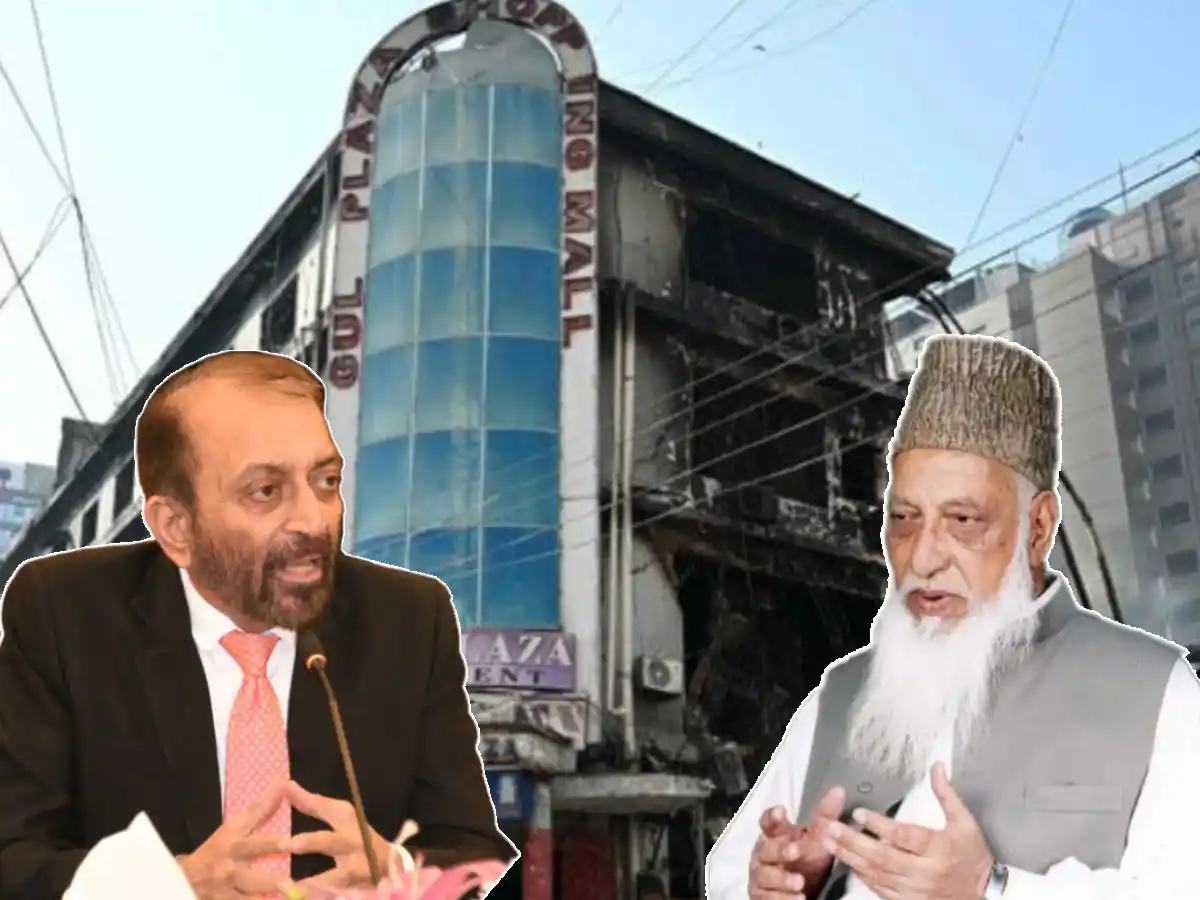
A detailed initial report on the Gul Plaza tragedy has been submitted to the Sindh government, revealing a complex history of land disputes, lease violations, and regulatory failures stretching back more than a century.
The findings suggest that illegal leasing practices and weak oversight by successive administrations contributed to the circumstances surrounding the deadly incident.
According to the report, the land on which Gul Plaza was built originally belonged to the Karachi Municipal Corporation (KMC).
In 1883, the plot was leased to the East India Company for 99 years to facilitate tram service operations in the city. The lease was due to expire in the early 1980s, but disputes over ownership and control continued for decades.
Visit Times of Karachi website for the latest news-related content
The report claims that during the mayoral tenure of MQM leader Farooq Sattar, the land was leased to a private company, Jeneka.
Notably, the Jeneka Group purchased the land just one month before the original lease period expired. Despite the expiry of the lease, construction allegedly began and continued in violation of regulations.
The findings further reveal that the KMC land was formally leased for Gul Plaza on November 3, 1991, during Farooq Sattar’s tenure as mayor, with official documentation bearing his signature.
Gul Plaza Fire Live Updates: Death toll reaches 67
The land was reportedly leased at a nominal rent of only Rs3 per square yard, raising serious questions about transparency and legality. The report also states that construction activities continued on KMC land without a valid lease from 1883 until 1990.
Administrative failures were also highlighted in the report. During the mayoral tenure of Abdul Sattar Afghani, no effective action was taken to stop the construction despite clear irregularities.
The report notes that regulatory authorities failed to intervene decisively, allowing violations to continue unchecked.
Follow the Times of Karachi channel on WhatsApp
In 2003, additional floors of the building were regularized during the mayoral tenure of Naimatullah Khan, also associated with Jamaat-e-Islami. The report suggests that these approvals further entrenched illegal construction and weakened regulatory enforcement.
Overall, the report paints a troubling picture of governance failures, political influence, and institutional weaknesses spanning multiple decades.
It suggests that unauthorized construction, questionable leasing decisions, and lack of accountability played a significant role in shaping the conditions that led to the Gul Plaza tragedy.