

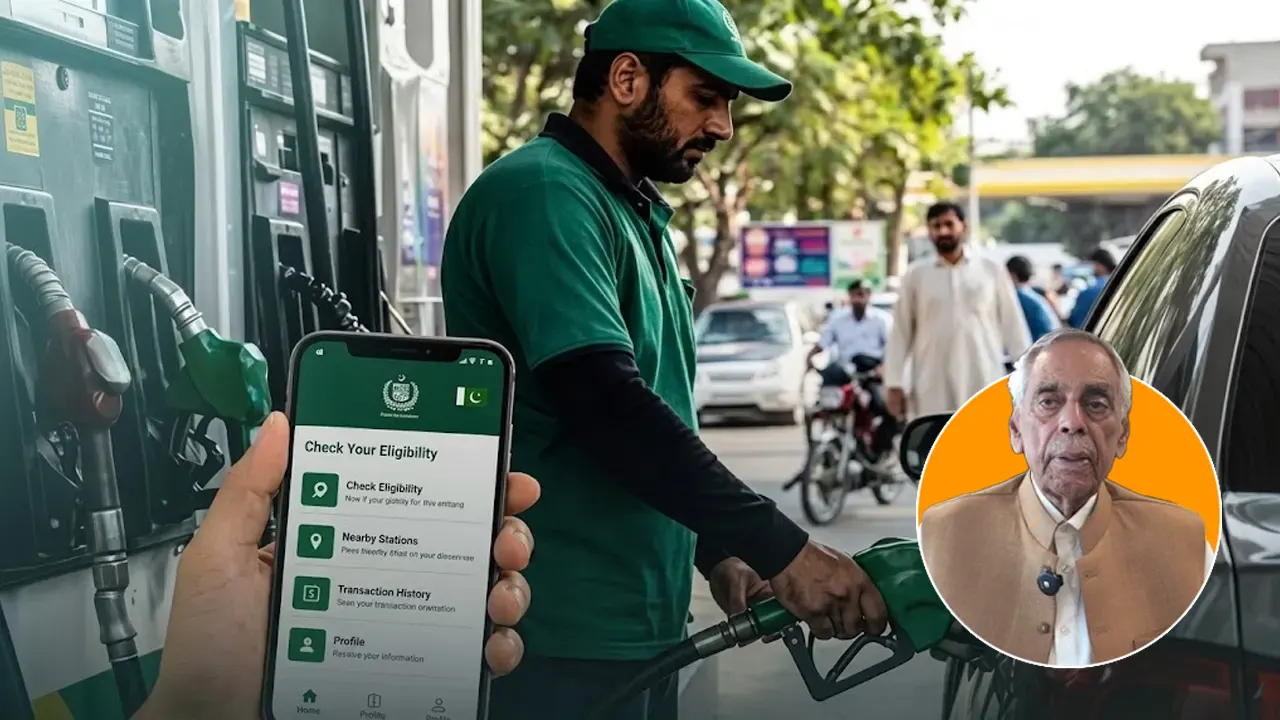
Petrol dealers have expressed concern over the federal government’s Rs100 per litre fuel subsidy scheme, urging authorities to clearly explain who will reimburse dealers for fuel supplied under the relief programme.
Follow Times of Karachi on Google News and add as a preferred Source on Google
The Pakistan Petroleum Dealers Association (PPDA) said it was willing to cooperate with the government’s initiative but could not accept responsibility for providing fuel on credit without a clear payment mechanism.
Speaking at a press conference, a PPDA representative said the association’s main concern was the lack of clarity over reimbursement.
“Who will make the payment?” the representative said, referring to questions being raised by petrol dealers about supplying fuel under the government scheme.
He said the association had informed dealers that it could not take financial responsibility for payments on behalf of the government. The PPDA could only engage with the authorities to seek clarification and a workable solution, he added.
The representative said the association was not opposed to the relief scheme and appreciated the government’s initiative.
“Our one-point agenda is that we should be told how our payment will be made,” he said, adding that dealers were ready to cooperate but needed to know how and when they would receive payment for fuel supplied on credit.
Dealers Warn of Supply Problems
The PPDA representative said dealers needed payment assurances because their ability to purchase fresh fuel depended on receiving money for previous supplies.
“If we do not receive the money, how will we order the next supply?” he questioned.
He warned that forcing dealers to provide fuel without ensuring reimbursement could eventually affect supplies at petrol stations.
According to the representative, even if police or other officials were deployed to ensure implementation of the scheme, petrol stations could eventually run out of stock if dealers were unable to finance new supplies.
“You can force us to provide fuel, but the fuel will eventually finish,” he said, questioning who would finance and order the next supply.
He cautioned that prolonged supply problems could lead to petrol pumps running dry and potentially create a law-and-order situation for authorities to handle.
The PPDA representative also referred to a previous five-hour meeting during which, he said, the association had been assured that its representatives would be included in consultations over the policy.
He claimed that the association was subsequently not consulted about the fuel subsidy mechanism.
“We were told that a policy would be introduced and that PPDA representatives would be included in it,” he said. “There would be consultation and decisions would be taken together. We were not included and nobody consulted us on this matter.”
The association said it raised the issue publicly to ensure that its concerns reached the authorities before implementation of the scheme.
Direct Payment to Beneficiaries Proposed
The PPDA also suggested an alternative payment mechanism under which financial assistance could be transferred directly to registered beneficiaries.
The representative referred to an earlier arrangement in Sindh, under which beneficiaries received Rs2,000 and could use the money to purchase fuel by paying cash at petrol stations.
He suggested that a similar system could be adopted for the current relief programme.
Under the proposed arrangement, the government could transfer the applicable relief amount directly to registered beneficiaries, who would then visit petrol stations and pay dealers in cash.
The representative said this would prevent dealers from having to finance fuel supplies on credit while still allowing the government to implement its relief initiative.
Dealers Seek Direct Reimbursement Option
Another option, he said, would be for the government to establish a direct payment mechanism with petrol dealers.
“If you tell us that the fuel we provide at night will be paid for in our bank accounts the next morning, then take our account numbers and other details,” he said.
The PPDA representative stressed that dealers did not want to obstruct the government’s relief programme and were prepared to participate once the payment process was clearly defined.
“We have no objection. We will do it happily. Our fuel will be sold,” he said.
However, he maintained that dealers needed a formal and reliable assurance before committing their stocks to the scheme.
The PPDA’s central demand is therefore for the government to provide a clear, transparent and reliable payment mechanism specifying who will reimburse dealers for subsidised fuel and when those payments will be made.