





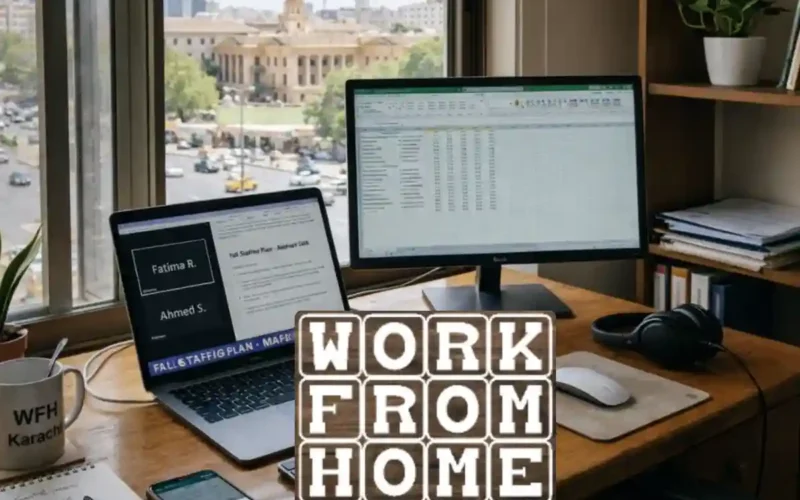

The Pakistan federal government is considering a work-from-home (WFH) policy and online classes as part of a national fuel-saving plan amid potential disruptions in oil supply following the ongoing conflict between the United States, Israel and Iran.
The plan aims to reduce fuel consumption across offices, schools, and universities while managing limited oil reserves during March 2026.
Energy Supply Risks After Strait of Hormuz Disruption
The conflict, which began on Saturday, has disrupted shipping through the Strait of Hormuz, a key waterway that handles about one-fifth of the world’s seaborne crude oil and significant liquefied natural gas (LNG) shipments.
Visit Times of Karachi website for the latest news-related content
Iran’s Revolutionary Guards claimed on Wednesday that they have “complete control” over the waterway, raising concerns over global energy supplies.
Proposed Measures for Workplaces and Schools
Media reports suggest that the government is reviewing several initiatives, including:
- Allowing corporate offices to adopt remote work for two days a week.
Iran denies its drones hit airport in Azerbaijan’s exclave as conflict widens
- Ensuring only essential staff remain in offices while enforcing minimum staffing requirements.
- Encouraging ride-sharing among employees to save fuel.
- Shifting educational institutions to online sessions during March 2026.
- Telecom and IT companies may also permit employees to work online for two days per week to further reduce fuel consumption.
Fuel Stocks and Price Monitoring
Finance Minister Muhammad Aurangzeb told the Senate Standing Committee on Finance that Pakistan currently holds petrol and diesel for about 28 days, crude oil for around 10 days, and LPG for roughly 15 days.
Follow the Times of Karachi channel on WhatsApp
Authorities are also considering a weekly fuel pricing model, similar to measures during the Covid-19 pandemic, to prevent hoarding by fuel dealers anticipating price hikes.