






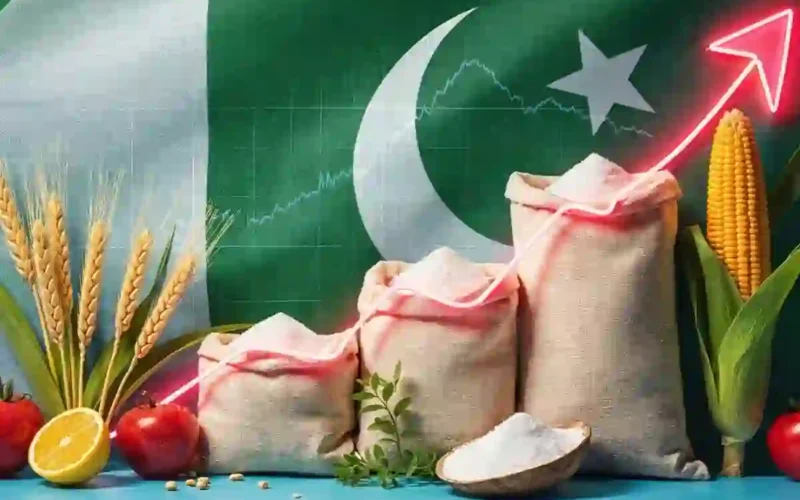
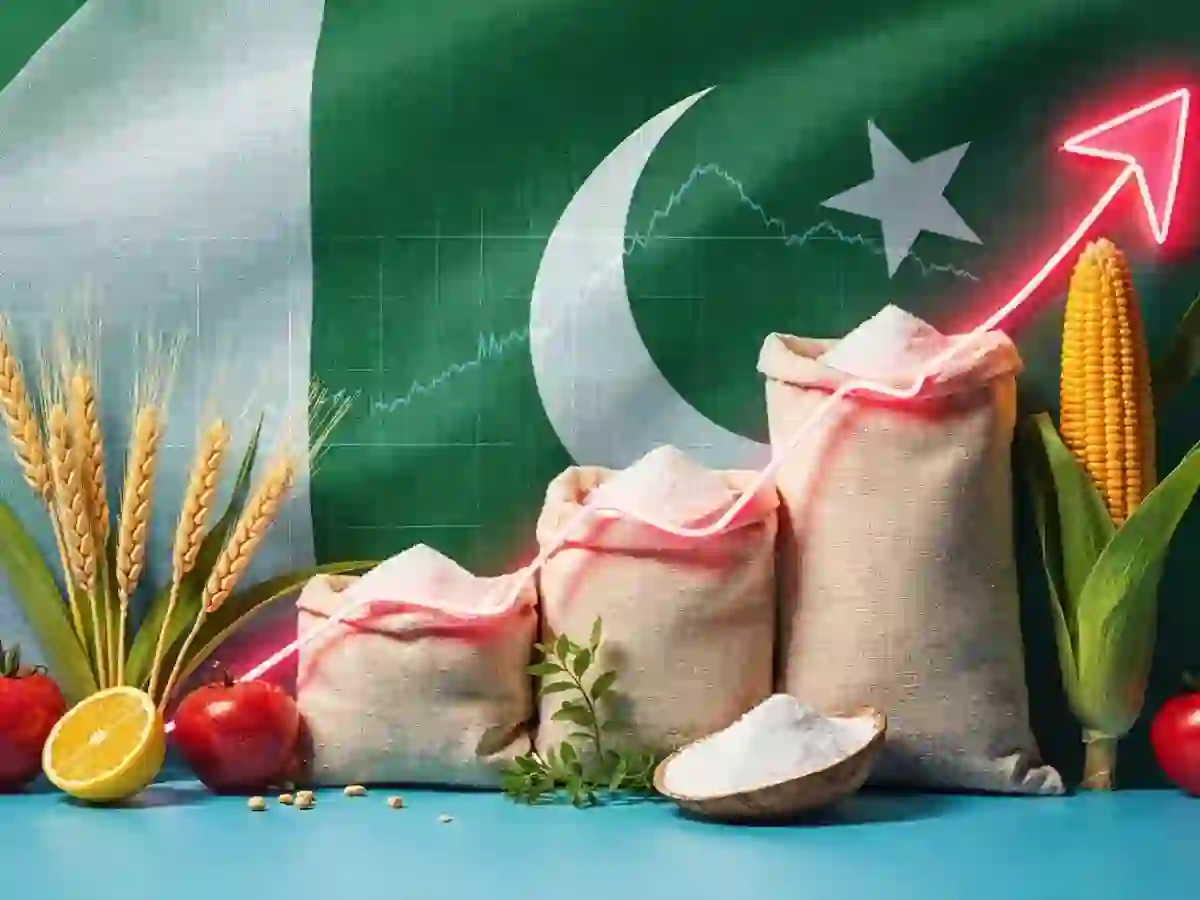
The Pakistan Bureau of Statistics (PBS) released its annual findings, revealing mixed inflation trends nationwide, as the PBS commodity price survey 2025 highlighted notable increases and declines in essential household items.
According to official data, sugar prices recorded a significant yearly rise, increasing by over 16 percent, while the average sugar price climbed from Rs137.33 per kilogram to Rs159.74, while the highest recorded price reached Rs229 per kilogram in various markets.
Visit Times of Karachi website for the latest news-related content
Wheat flour also became costlier, as the price of a 20 kilogram bag surged by more than 22 percent during the year.
Data showed the average price of wheat flour increased from Rs1,794.93 to Rs2,199.25, reflecting continued pressure on staple food affordability.
Meat prices followed an upward trend, with live broiler chicken prices increasing slightly, while beef and mutton recorded noticeable annual price hikes.
Beef prices rose by 13 percent to Rs1,160 per kilogram, while mutton increased by 7.4 percent, reaching Rs2,109 per kilogram.
READ: Rice export decline creates serious concerns for Pakistan exporters
Among other food items, jaggery, bananas, red chilli powder, and eggs all became more expensive, adding to the rising cost of everyday grocery shopping.
Staple items showed moderate growth, as Basmati rice prices rose by 5.5 percent, while milk and yogurt also recorded small but steady increases.
Energy related costs increased sharply, with gas charges rising by nearly thirty percent, while firewood prices climbed by over eleven percent during 2025.
In contrast, vegetable prices offered some relief, as tomatoes experienced a dramatic 75 five percent decline compared to last year.
Follow the Times of Karachi channel on WhatsApp
Potatoes became nearly half as expensive, garlic prices fell sharply, and onions dropped by 29 percent, easing pressure for many consumers.
Pulses also showed downward trends, with chickpeas becoming 30 percent cheaper, while moong, masoor, and mash lentils recorded varying declines.
PBS data further showed non-food items becoming cheaper, as tea packs and energy savers dropped 18 percent, while matchbox prices remained unchanged nationwide.