






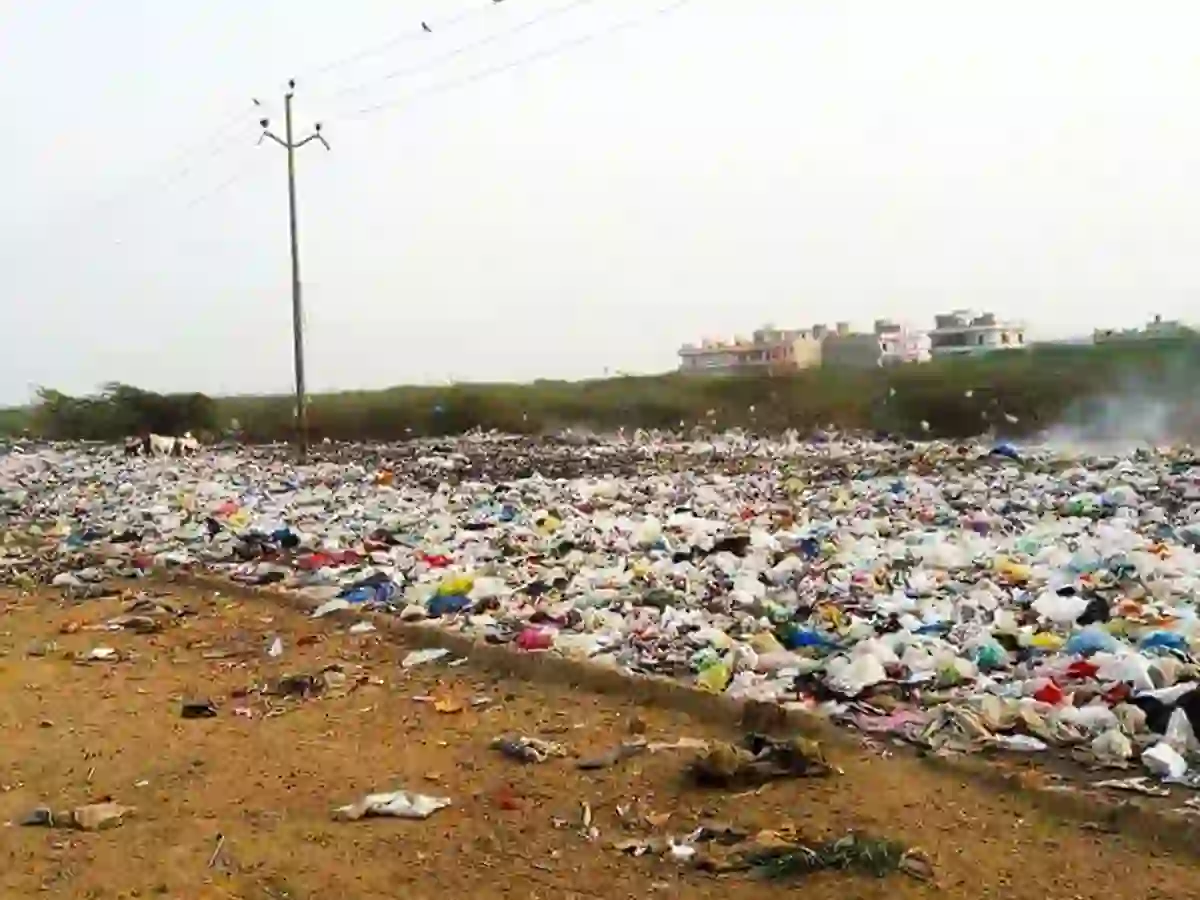
Karachi generates over 14,800 tonnes of solid and municipal waste every day, surpassing daily waste production in Mumbai, Delhi, and Dhaka, a senior official of the Sindh Solid Waste Management Board (SSWMB) has revealed.
“District Central alone produces over 3,000 tonnes per day, the highest among the city’s seven districts,” SSWMB Managing Director Tariq Ali Nizamani said during a seminar on modern, sustainable urban waste management aligned with the Sustainable Development Goals (SDGs).
According to Dawn News, he highlighted that around 42 percent of the city’s waste is organic and can be converted into biogas or compost through proper segregation and processing.
Visit Times of Karachi website for the latest news-related content daily
Karachi also contributes 25 percent of Pakistan’s total recyclable plastic waste, he added.
The seminar was jointly organised by the Central Standing Committee of the Federation of Pakistan Chambers of Commerce & Industry (FPCCI) on SDGs and the National Forum for Environment & Health at the Federation House.
Mr Nizamani announced that the SSWMB’s first biogas plant at Bagh Ibne Qasim will start operations on December 15, providing low-cost cooking fuel to 70–80 households in Clifton.
The plant will process up to seven tonnes of livestock waste daily, supplying fuel at a subsidised rate of Rs. 2,000 per month.
READ: Over 37,000 tons of waste cleared in Karachi, says mayor
“In its next phase, the facility will also generate electricity to help reduce frequent power outages at the park,” he said.
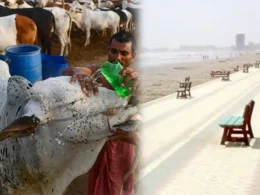
Another biogas plant is planned at Cattle Colony to tackle marine pollution caused by untreated cattle waste entering the sea.
He also warned that heavy vehicles transporting waste recklessly, often scattering garbage on roads, could be fined up to Rs. 20,000 once the board receives authorization from the provincial government.
SSWMB currently deploys over 13,000 workers and 2,305 vehicles across the city for waste collection and disposal.
READ: Karachi removes 3.24mln cubic feet of waste from drains, says Mayor
“We are using cutting-edge technology to monitor the entire waste management chain in real-time, from household collection to landfill sites. A helpline, call centre, and mobile app are also fully operational to handle complaints about unattended waste 24/7,” Nizamani said.
A World Bank-funded solid waste project is underway to modernize the city’s infrastructure, including new garbage transfer stations and a fully engineered sanitary landfill.
FPCCI Vice President Aman Paracha emphasized the urgent need for modern waste disposal systems, saying unattended heaps of garbage remain a major concern for residents.
Environmentalist Saqib Ejaz Hussain urged the Sindh government to ensure safe disposal of medical waste, warning that illegal nighttime burning worsens air pollution.
Follow the Times of Karachi channel on WhatsApp
Ali Asghar Quettawala, representing the Dawoodi Bohra community, called for a one-window operation to handle all types of waste, including municipal, construction, and sewage waste.
FPCCI Standing Committee member Naeem Qureshi urged the government to provide more financial and logistical support to civic agencies to strengthen waste management.
Climate activist Ahmed Shabbar highlighted the importance of public participation in the campaign to make Karachi clean and green.
NFEH Secretary General Ruqiya Naeem and Vice President Engineer Nadeem Ashraf also addressed the seminar.