






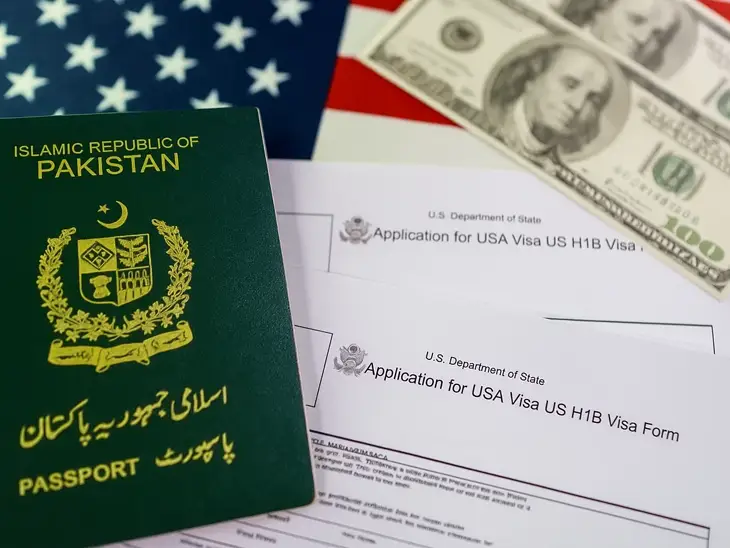
The Trump administration has announced stricter checks for H-1B visa applicants, directing US consular officers worldwide to review digital work histories and identify any role linked to alleged online censorship.
A State Department cable dated December 2 instructed officials to examine resumes and LinkedIn profiles of applicants and their family members for previous work in misinformation, disinformation, fact-checking, content moderation or online safety roles.
According to Reuters, consular officers must determine whether any applicant was responsible for limiting protected speech in the United States and, if so, pursue ineligibility under the Immigration and Nationality Act.
Visit Times of Karachi website for the latest news-related content
H-1B visas are essential for US technology companies that hire thousands of highly skilled workers each year, especially from India and China, though the new standards are expected to increase review times.
The cable said the broader policy applies to all visa categories but instructed officers to pay extra attention to H-1B applicants because many work in technology, social media, or financial services sectors that manage online content.
Officials were told to examine professional histories in detail to identify participation in activities that may be considered suppression of online expression, with the new checks applying to both first-time and returning applicants.
READ: Trump’s $100,000 H-1B visa fee to hit India hardest
The Trump administration has made online free speech a major foreign policy concern, arguing that conservative voices are often restricted on digital platforms in the United States and in several European countries.
Senior US officials have frequently criticized governments in France, Germany and Romania, accusing them of censoring right-wing politicians by limiting viewpoints on immigration, national identity and other sensitive political issues online.
Earlier this year, Senator Marco Rubio warned that the United States could impose visa bans on individuals involved in censoring American speech, including foreign regulators overseeing major US technology companies.
Follow the Times of Karachi channel on WhatsApp
The administration has already expanded screening for student visas, requiring checks of social media posts that may appear hostile toward the United States, adding new layers of assessment for international applicants.
In September, Trump introduced additional H-1B visa fees as part of a broader immigration crackdown, which Republican allies say is necessary to prevent foreign interference in American debates on vaccines, elections and national policy.