




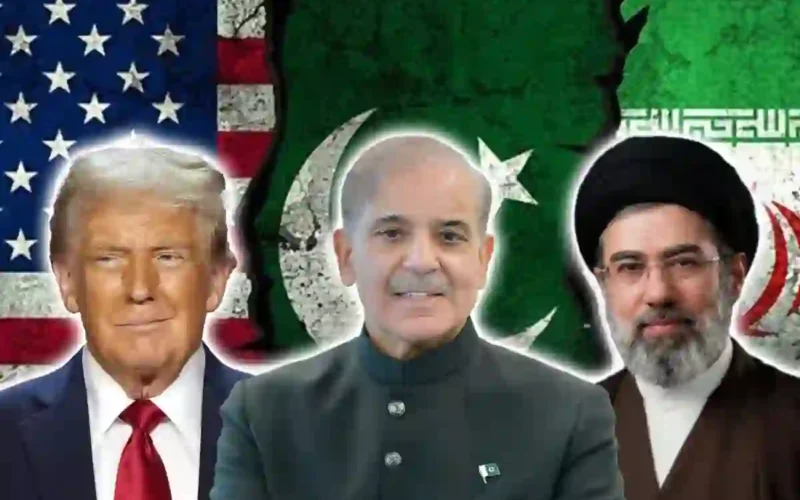
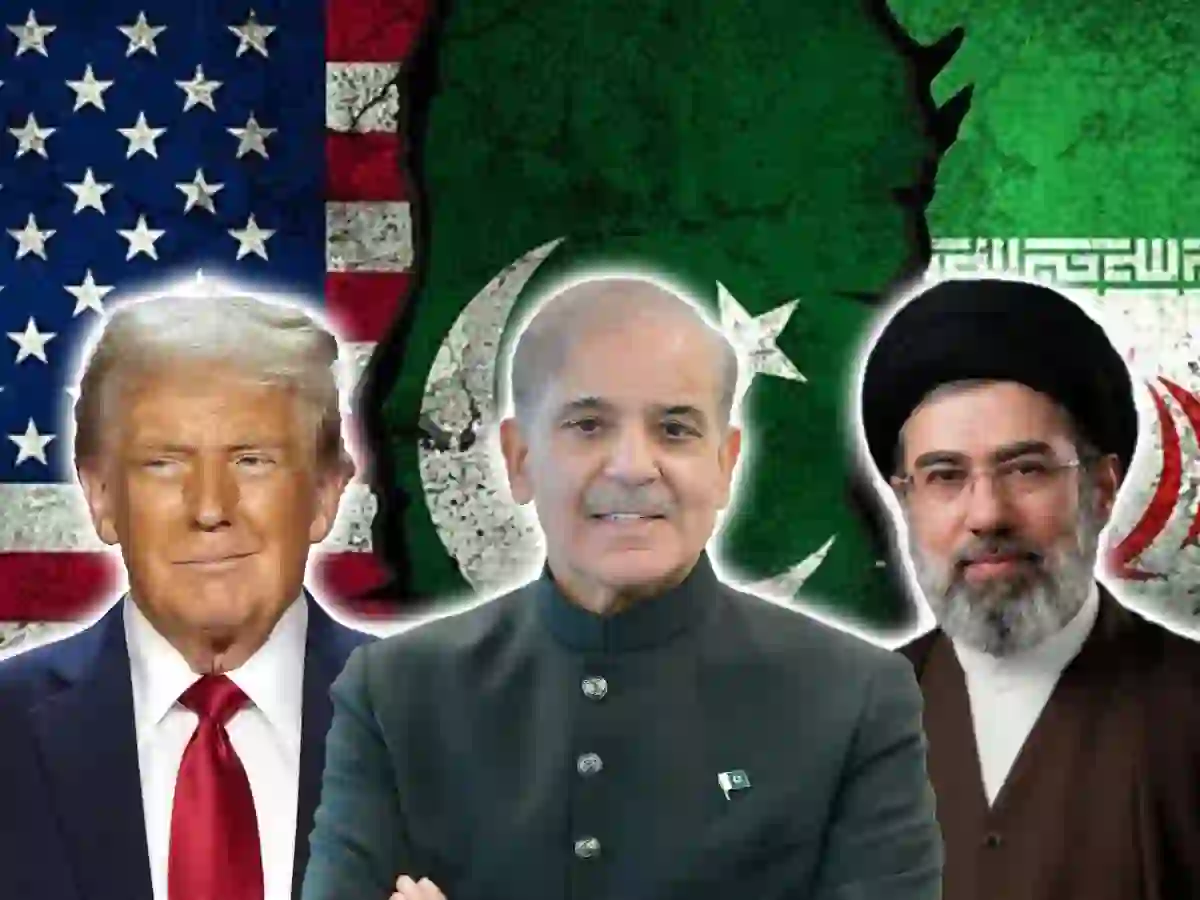
Iran and the United States have agreed to a memorandum of understanding (MOU) aimed at ending more than 100 days of conflict. According to Tehran, the agreement also covers Lebanon, which has faced heavy Israeli attacks since March 2.
The deal, brokered by Pakistan and Qatar, is scheduled to be formally signed in Geneva, Switzerland, on Friday, June 19.
US President Donald Trump announced that the Strait of Hormuz, which has effectively been under an Iranian blockade, will reopen to international shipping on Friday. Iran, meanwhile, stated that the US naval blockade on its ports would be lifted immediately.
Visit Times of Karachi website for the latest news-related content
The war, which triggered a global energy crisis, began after the United States and Israel launched attacks on Iran on February 28 amid ongoing discussions over Tehran’s nuclear programme.
Below is a summary of what is currently known about the agreement and the reactions from the parties involved.
What Did Iran and the US Say About the Deal?
On Monday, the Secretariat of Iran’s Supreme National Security Council announced that the agreement includes an immediate halt to military operations across all fronts.
“Based on the agreements reached, the war and military operations on all fronts, including Lebanon, will end immediately and permanently as of tonight, and in addition, the naval blockade against Iran will end immediately and completely,” the council said in a statement.
It further added: “The signing of this Memorandum of Understanding will be officially held on Friday, June 19,”
“Negotiations for a final agreement will be postponed until after the other party has fulfilled its obligations under the Memorandum of Understanding. The Islamic Republic of Iran appreciates the efforts of the Islamic Republic of Pakistan and the Government of Qatar. Peace be upon you, God’s mercy and blessing,” the statement concluded.
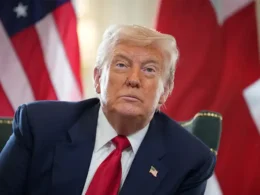
Announcing the MOU, President Trump described the agreement as a significant step toward regional peace and stability.
“The Deal with the Islamic Republic of Iran is now complete. Congratulations to all! I hereby fully authorize the toll free opening of the Strait of Hormuz, and, simultaneously herewith, authorize the immediate removal of the United States Naval blockade. Ships of the World, start your engines. Let the oil flow!” he wrote on Truth Social.
US Vice President JD Vance also welcomed the development, suggesting that the ceasefire could mark the beginning of a new chapter for the Middle East.
Also Read:
Trump urges Pakistan, Arab Nations to
officially recognize Israel to end Iran War
He credited Trump’s diplomacy and cooperation with Gulf states and regional partners for helping secure the agreement.
“What the president has done is create the real space to transform that region,” Vance said during an interview with Fox News. “And now, hopefully, a new era with the Iranians.”
Vance also reiterated what he described as a key American objective: “I think we can safely say, with confidence, that Iran will never have a nuclear weapon.”
Earlier, Iran’s Deputy Foreign Minister for Legal and International Affairs, Kazem Gharibabadi, had indicated that an end to military operations was expected soon.
According to comments reported by Tasnim news agency, Gharibabadi stated that an: “immediate and permanent end to the war and military operations on various fronts, including Lebanon” would be announced beginning Monday.
He also explained that negotiations on a final agreement would continue for 60 days, provided Iran verifies that the United States has fulfilled its commitments. Those commitments include ending military actions, lifting the naval blockade, and releasing frozen Iranian assets.
Who Announced the Deal First?
Pakistan’s Prime Minister Shehbaz Sharif was the first leader to publicly disclose the agreement. On Sunday, he announced on X that a settlement had been reached through Pakistan’s mediation efforts between Tehran and Washington.
Sharif stated that a: “permanent termination of military operations on all fronts” had been agreed upon, including in Lebanon.
Following intensive talks, we are pleased to announce that the Peace Deal between the United States of America and Islamic Republic of Iran has been REACHED. Both sides have declared the immediate and permanent termination of military operations on all fronts, including in…
— Shehbaz Sharif (@CMShehbaz) June 14, 2026
What Does the Deal Include?
According to Iran’s Mehr news agency, the draft agreement consists of 14 provisions.
Key reported elements include:
- An immediate and permanent ceasefire across all fronts, including Lebanon.
- Full removal of the naval blockade within 30 days.
- A US commitment to withdraw military forces from areas surrounding Iran.
- Reopening of the Strait of Hormuz.
- Suspension of sanctions affecting Iranian oil exports.
- A commitment to finalize a nuclear agreement within 60 days of signing.
- Release of $24 billion in frozen Iranian assets during the negotiation period.
Mehr also reported that final negotiations would not begin until half of Iran’s frozen assets had been released and restrictions affecting the Strait of Hormuz had been removed.
In addition, the agency stated that discussions regarding Iran’s missile programme and its support for resistance groups had been excluded from the agenda.
It is worth noting here that the international media outlets were unable to independently verify the details reported by Mehr.
What Did the Mediators Say?
Pakistan and Qatar played central roles in facilitating the agreement and were involved in intensive last-minute negotiations before the announcement.
On Sunday, Prime Minister Sharif confirmed that a US-Iran understanding had been reached and that mediators would coordinate a series of meetings during the week. He said both sides had agreed to the: “immediate and permanent termination of military operations on all fronts, including in Lebanon”.
Also Read:
“I Love the Inflation” Trump Defends
Rising Prices Amid Iran Conflict
Sharif expressed appreciation to both countries for their willingness to pursue peace and also thanked Qatar for its assistance: “in reaching this agreement”.
He further stated: “I would also especially thank the visionary leadership of the Kingdom of Saudi Arabia and the Republic of Turkiye for their immense contributions in this regard,”
Sharif added that a series of meetings would be held throughout the week to prepare for technical negotiations and the official signing ceremony.
Qatar’s Ministry of Foreign Affairs also welcomed the agreement, describing it as: “the agreement reached on the Memorandum of Understanding” between the US and Iran concerning: “addressing the outstanding issues between them”.
The ministry said it viewed the agreement, including the reopening of the Strait of Hormuz, as an: “important step” toward strengthening long-term peace and encouraging economic growth both regionally and globally.
Qatari Prime Minister and Foreign Minister Sheikh Mohammed bin Abdulrahman bin Jassim Al Thani also commended Pakistan and: “all regional and international parties who contributed to creating the conditions for reaching this understanding”.
Follow the Times of Karachi channel on WhatsApp
Meanwhile, the Iranian Embassy in Turkiye shared an image on its official X account showing an Iranian flag placed on a rock-shaped depiction of the Strait of Hormuz.
The accompanying message read: “Welcome to the Middle East of a new era.”
Welcome to the Middle East of a new era. pic.twitter.com/TPsrHs4uib
— Iran Embassy in Türkiye (@Iran_in_Turkiye) June 14, 2026
When Will the US-Iran Deal Be Signed?
According to Prime Minister Shehbaz Sharif, the official signing ceremony is scheduled for June 19 – Friday, in Geneva, Switzerland. Technical discussions between the parties are expected to continue throughout the week ahead of the signing.
Importance of Strait of Hormuz
The Strait of Hormuz remains one of the world’s most critical maritime chokepoints, handling a significant portion of global oil shipments.
Any disruption in the waterway has historically influenced international energy markets and geopolitical stability. Until official confirmation emerges from all parties involved, the reported Iran-US understanding should be viewed as a developing story rather than an established agreement.