




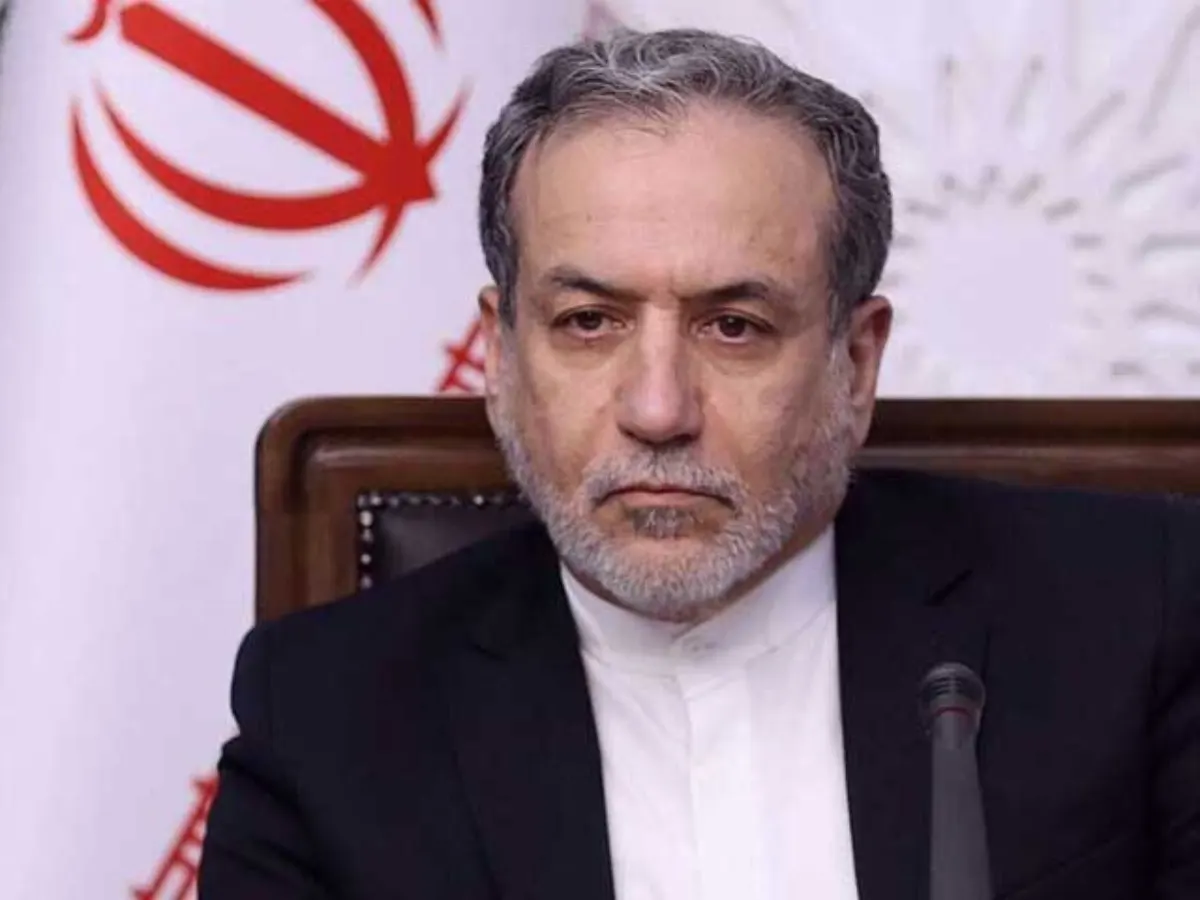
Iran’s Foreign Minister Abbas Araghchi has said that negotiations with the United States in Islamabad were close to success, claiming both sides were “just inches away” from reaching an agreement.
In a statement shared on X, Araghchi said Iran participated in the Islamabad talks in ‘good faith,’ describing them as the highest-level discussions with the United States in 47 years aimed at ending hostilities.
Visit Times of Karachi website for the latest news-related content
However, he alleged that the breakthrough was blocked due to what he called increasing demands and shifting positions by the United States.
intensive talks at highest level in 47 years, Iran engaged with U.S in good faith to end war.
— Syed Abbas Araghchi (@Araghchhi) April 13, 2026
But when just inches away from "Islamabad MoU", we encountered maximalism, shifting goalposts, and blockade.
Zero lessons earned
Good will begets good will.
Enmity begets enmity
According to him, the deal was nearly finalized before talks stalled near what he referred to as the Islamabad memorandum of understanding (MoU).
The Iranian foreign minister stated that “maximum demands” and “constantly changing goals” created obstacles at a critical stage of negotiations, preventing the agreement from being signed.
Trump orders US navy to blockade Strait of Hormuz
He added that diplomacy requires consistency, noting that goodwill should be met with goodwill, while hostility leads to further tensions.
Separately, Iran’s President Masoud Pezeshkian also commented on the stalled talks, saying an agreement could still be possible if the United States respects Iran’s rights and avoids what he termed a ‘domineering approach.’
The president praised Iran’s negotiating team for their efforts, acknowledging their role in bringing discussions close to a potential breakthrough.
Follow the Times of Karachi channel on WhatsApp
The statements come after marathon negotiations between US and Iranian officials in Islamabad ended without a deal, despite mediation efforts and hopes for de-escalation in the region.
The contrasting positions from both sides highlight deep differences, particularly over Iran’s nuclear program and long-term commitments, which remain key sticking points in ongoing diplomatic efforts.