



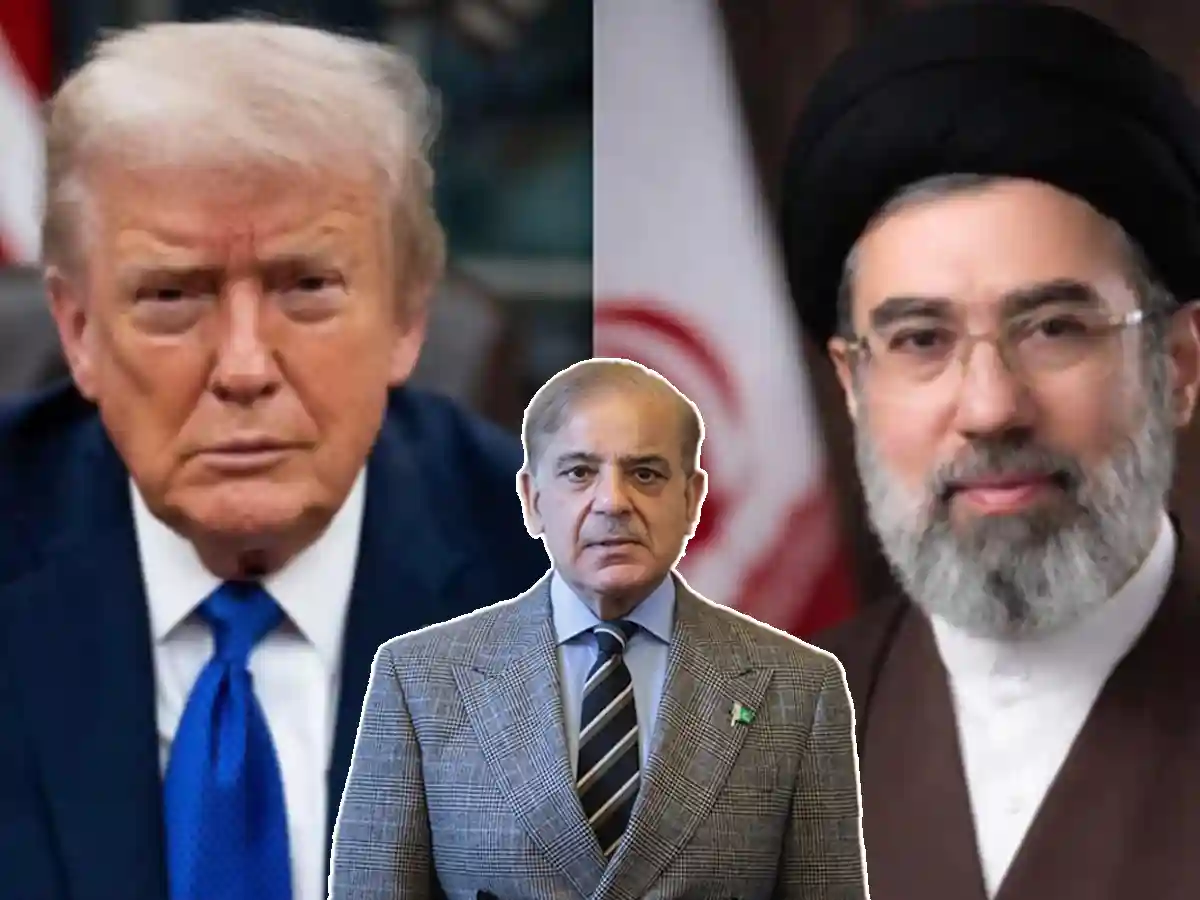
President Donald Trump announced that he had agreed to a two-week ceasefire with Iran, on the condition that Tehran reopen the strategically vital Strait of Hormuz.
A White House official confirmed that Israel has also agreed to the ceasefire.
The announcement follows a proposal by Pakistani Prime Minister Shehbaz Sharif, who urged a temporary truce to create space for diplomatic negotiations between the United States and Iran.
Pakistan, acting as a mediator, requested an extension to a U.S.-imposed deadline on Iran to end its blockade of Gulf oil routes, as military strikes by the United States and Israel intensified during the sixth week of the war.
A senior Iranian official told Reuters that Tehran is positively reviewing Pakistan’s proposal for a temporary ceasefire. Meanwhile, the White House confirmed that President Trump is aware of the request and will respond accordingly, as reported by international media.
Diplomatic efforts for peaceful settlement of the ongoing war in the Middle East are progressing steadily, strongly and powerfully with the potential to lead to substantive results in near future. To allow diplomacy to run its course, I earnestly request President Trump to extend…
— Shehbaz Sharif (@CMShehbaz) April 7, 2026
In a post on X, Shehbaz Sharif said Pakistan is sincerely urging both sides to allow diplomacy to proceed. He also called on Iran to reopen the Strait of Hormuz for two weeks as a goodwill gesture.
Visit Times of Karachi website for the latest news-related content
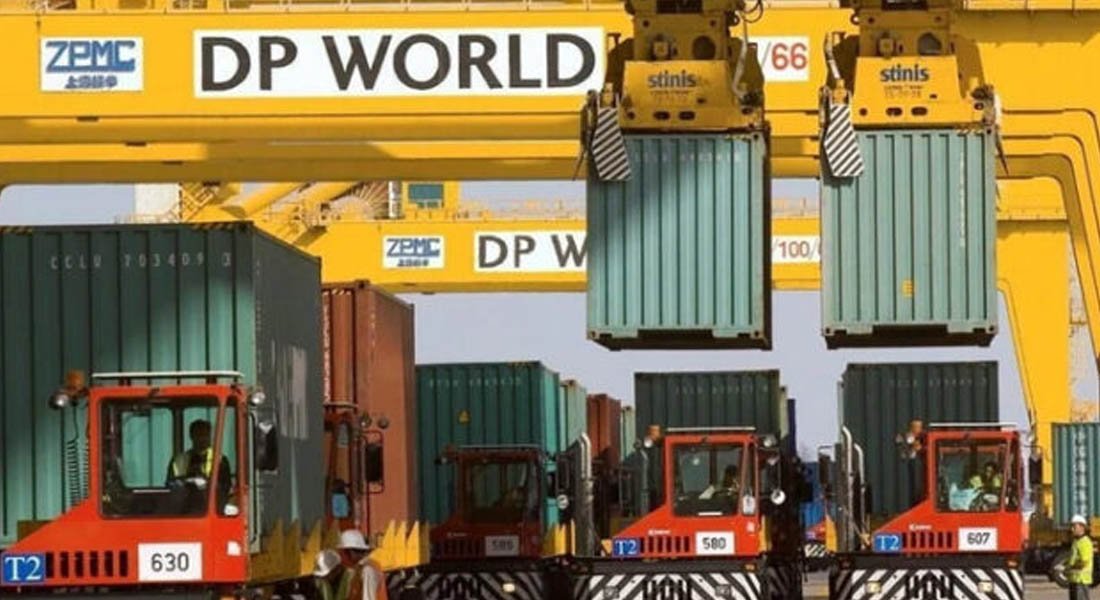
The conflict has caused thousands of deaths and triggered severe disruptions in global energy supplies due to the closure of the Strait of Hormuz, a key route for nearly one-fifth of the world’s oil and gas shipments, according to international media reports.
Sharif’s appeal followed a strong warning from Trump, who said in a social media post that massive destruction could occur if an agreement is not reached. The U.S. president set a deadline for Iran to end the blockade or face major infrastructure strikes.
Pakistan-Saudi ties reaffirmed amid rising Middle East tensions
Later, Iran rejected US President Donald Trump’s deadlines and refused to accept the demands.
Pakistan’s prime minister urged all parties to observe a temporary ceasefire to create space for diplomatic efforts. He added that negotiations are progressing and could lead to meaningful results soon, Reuters reported.
In parallel diplomatic outreach, Ishaq Dar held separate calls with counterparts in Turkey, Egypt, and Saudi Arabia to discuss the crisis.
Follow the Times of Karachi channel on WhatsApp
Iran’s ambassador to Pakistan, Reza Amiri Moghadam, described Pakistan’s mediation efforts as important during a critical stage of the conflict.
However, Reuters reported that talks between Washington and Tehran remain fragile, especially after recent Iranian strikes on Saudi industrial facilities, raising concerns about further escalation.
The situation highlights Pakistan’s growing diplomatic role as tensions in the Middle East continue, with no immediate breakthrough yet visible.