


Prime Minister Shehbaz Sharif has approved the draft of Pakistan’s Auto and Auto Parts Manufacturing Policy 2026–2031, setting ambitious targets to increase local manufacturing, promote exports and reduce dependence on imported vehicles and components.
Follow Times of Karachi on Google News and add as a preferred Source on Google
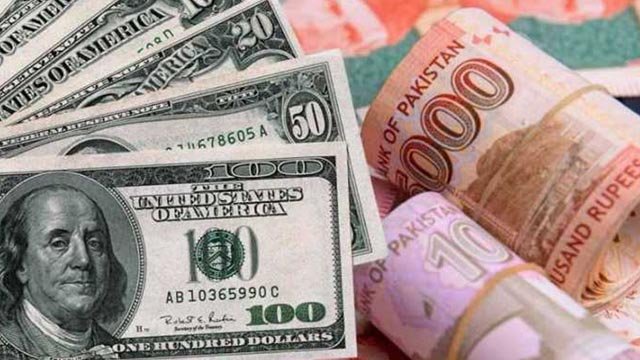
The proposed five-year policy aims to generate approximately $6 billion in automotive exports and achieve $17.7 billion in foreign exchange savings between 2026 and 2031.
According to Prime Minister’s Adviser on Industries and Production Haroon Akhtar Khan, the policy represents a shift from an import-dependent vehicle assembly model towards a stronger manufacturing and export-oriented automotive industry.
The government plans to strengthen local manufacturers, increase domestic auto parts production, introduce modern technologies and connect Pakistani companies with international automotive supply chains.
But what does this policy mean for ordinary Pakistanis, particularly those planning to buy a car or electric vehicle?
Greater focus on local car manufacturing
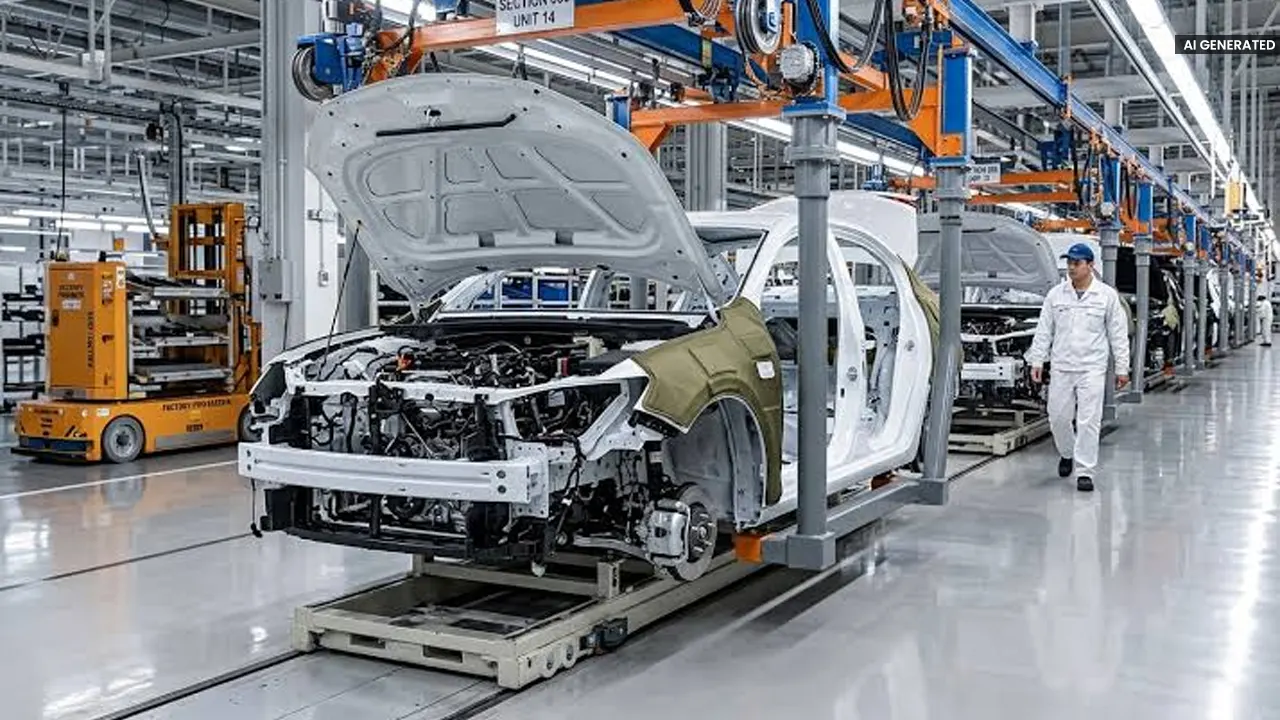
The new policy aims to move beyond vehicle assembly and establish a manufacturing ecosystem with greater local value addition.
To achieve this, the government plans to introduce mandatory localisation requirements for vehicle manufacturers.
Companies that fail to meet the prescribed minimum local value addition requirements will face an additional three percentage points in customs duty on relevant non-locally manufactured Completely Knocked Down (CKD) imports in the following financial year, subject to applicable legal procedures.
The measure is intended to encourage manufacturers to source more components from local suppliers instead of relying heavily on imported parts.
Rs2.1 billion support for local auto parts manufacturers
Pakistan currently has approximately 2,200 auto parts manufacturers, according to Haroon Akhtar Khan.
To improve their production capabilities, the government plans to launch the Vendor Upgradation and Technology Transfer Programme (VUTTP) with an allocation of Rs2.1 billion.
The programme will be implemented through the Engineering Development Board (EDB) and the Small and Medium Enterprises Development Authority (SMEDA).
Local vendors will receive support in several areas, including:
- Acquiring modern manufacturing equipment and technologies.
- Accessing shared production facilities.
- Improving technical skills and workforce capabilities.
- Obtaining internationally recognised quality certifications.
- Preparing products for international export markets.
The policy also aims to attract investment in at least five major auto parts manufacturing companies over the next five years to develop local industrial clusters.
Pakistan sets $6 billion automotive export target
Export promotion is another major component of the Auto Policy 2026–2031.
The government has set a cumulative automotive export target of approximately $6 billion during the five-year period.
The target includes:
- $3.29 billion: Exports from auto parts manufacturers, accounting for 55% of the total.
- $2.72 billion: Exports from vehicle manufacturers, accounting for 45%.
To encourage international sales, the proposed policy includes a Drawback of Local Taxes and Levies (DLTL) scheme.
Under the scheme, eligible exporters will receive a 5% incentive on net Free on Board (FOB) export value, along with an additional 10% incentive on incremental exports, subject to prescribed conditions.
Manufacturers will also be expected to secure export opportunities within the global supply chains of their international partners.
Reduced customs duty on imported electric vehicles
The proposed policy also introduces incentives for battery electric vehicles (BEVs).
During the first two years, imported electric vehicles priced at up to $15,000 will be eligible for a reduced customs duty of 5%.
However, the concession will come with conditions. Companies benefiting from the incentive will have to establish local vehicle assembly or manufacturing facilities in Pakistan.
They will also be required to submit a security bond and an irrevocable bank guarantee equivalent to the difference in customs duty.
Furthermore, companies must begin commercial production of the imported BEV model in Pakistan by September 30, 2028.
Failure to meet this deadline could result in the bank guarantee being encashed.
$17.7 billion foreign exchange savings expected
The government estimates that the policy could generate approximately $17.7 billion in foreign exchange savings between 2026 and 2031.
These savings are expected to come primarily from manufacturing vehicles locally rather than importing equivalent models in Completely Built-Up (CBU) condition.
Greater domestic production, increased local value addition and higher exports are expected to reduce pressure on Pakistan’s external accounts.
The government also believes that stronger domestic manufacturing will help the country become less dependent on imported vehicles and components.
Policy aims to reduce imported fuel consumption
The Auto Policy 2026–2031 also promotes New Energy Vehicles (NEVs) as part of its broader strategy to reduce dependence on imported petroleum products.
According to the government’s estimates, increased adoption of new energy vehicles could help save approximately 1.823 million tonnes of imported oil during the policy period.
This could reduce the country’s petroleum import bill and improve energy security.
Better use of existing manufacturing capacity
The proposed policy also aims to improve the utilisation of Pakistan’s existing industrial infrastructure.
According to Haroon Akhtar Khan, manufacturing industries in the country have between 41% and 80% of their production capacity remaining underutilised.
The government plans to encourage contract manufacturing arrangements to make better use of this available capacity.
This approach is expected to increase production, attract investment, create employment opportunities and strengthen the domestic industrial ecosystem.
What relief can the common man expect from the new auto policy?
Although the policy mainly focuses on industrial development, exports and local manufacturing, it could bring several indirect benefits to vehicle buyers and ordinary consumers.
Here are some of the potential benefits:
1. Potential reduction in car prices
Greater localisation could reduce manufacturers’ reliance on imported components. If production costs fall and competition increases, consumers could benefit from more competitive vehicle prices.
However, the policy does not announce an immediate reduction in car prices.
2. Better availability of locally manufactured spare parts
Investment in the domestic auto parts industry could improve the availability of locally manufactured components. This may reduce dependence on imported spare parts and help improve supply.
3. More affordable electric vehicles
The proposed 5% customs duty on eligible imported electric vehicles priced up to $15,000 could improve access to lower-priced EV models.
However, the concession applies to qualifying companies that meet the local manufacturing and other prescribed conditions. It does not mean every individual importing an electric vehicle will automatically receive the reduced duty.
4. More employment opportunities
The Rs2.1 billion vendor support programme and planned investment in auto parts manufacturing could create jobs in production, engineering, technology and related industries.
5. Potential savings on fuel expenses
Greater adoption of electric and other new energy vehicles could help consumers reduce their dependence on petrol and diesel.
However, the actual savings will depend on vehicle prices, charging infrastructure, electricity costs and the availability of suitable models.
6. Improved vehicle supply
Higher domestic production and better use of existing manufacturing capacity could improve vehicle availability and reduce reliance on imported vehicles.
These benefits are potential outcomes rather than guaranteed immediate relief. Their actual impact will depend on how the policy is implemented, production costs, taxation, market competition and access to affordable financing.
A new direction for Pakistan’s automotive industry
Haroon Akhtar Khan said the Auto and Auto Parts Manufacturing Policy 2026–2031 aims to establish a stronger domestic manufacturing base and reduce dependence on imported vehicles and components.
The government plans to support local manufacturers, promote modern technologies, improve the capabilities of auto parts suppliers and attract investment in the sector.
If implemented effectively, the policy could help Pakistan expand its automotive exports, generate employment and strengthen industrial production.
For ordinary consumers, however, the key question will be whether these industrial improvements eventually translate into more affordable vehicles, accessible electric cars and lower maintenance costs.