





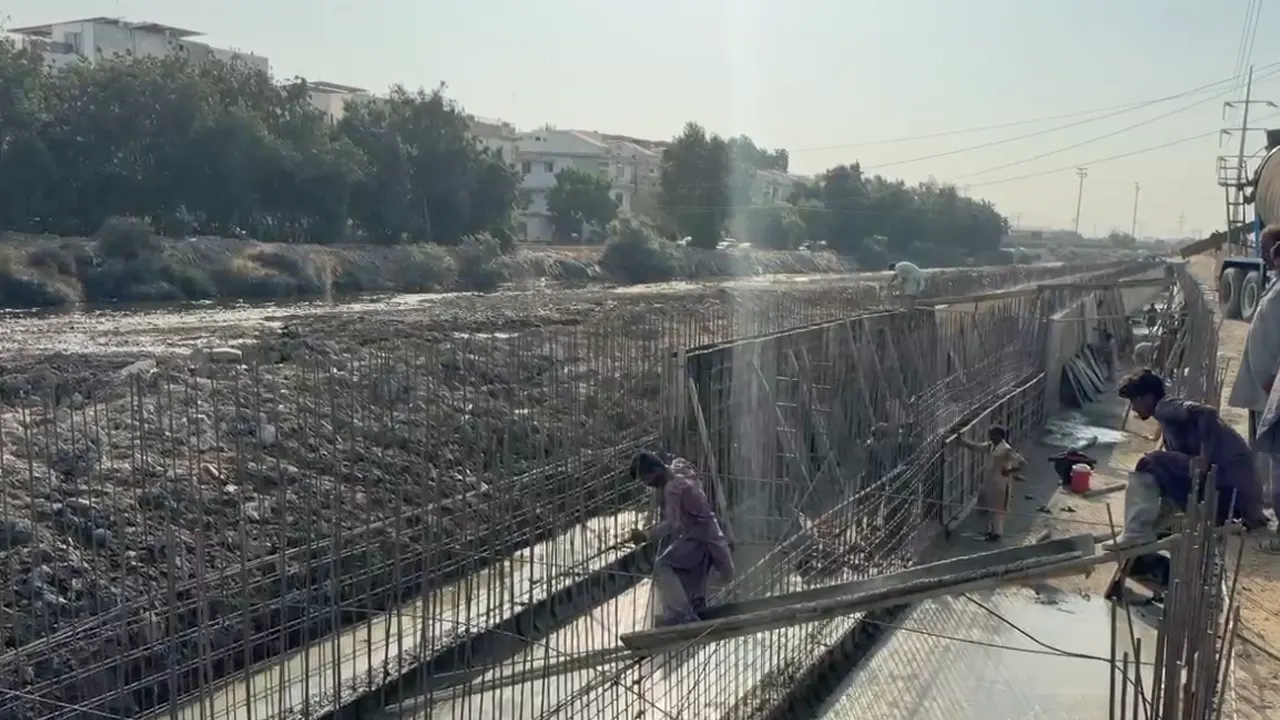
Sindh Senior Minister Nasir Hussain Shah on Monday reviewed the proposed Nehr-e-Khayyam project, directing relevant authorities to protect the waterway’s historical and environmental significance while addressing concerns raised by local residents and environmentalists.
Follow Times of Karachi on Google News and add as a preferred Source on Google
The meeting was briefed by the Local Government Department on the project’s objectives and key features. Officials said the initiative was intended to preserve the area’s historical character, improve its environmental condition and help reduce urban flooding.
The department also clarified that, contrary to speculation surrounding the project, no commercial activities were envisaged under the proposed plan.
Chief Secretary Stresses Environmental Protection
Asif Hyder Shah directed the relevant departments to ensure that the project’s environmental objectives were fully achieved.
He stressed that the historical importance of Nehr-e-Khayyam, environmental protection and the concerns of the local community must be considered during planning and implementation.
The meeting was attended by representatives of the Local Government Department, the municipal commissioner of the Karachi Metropolitan Corporation (KMC), the deputy commissioner of South district and other relevant officials.
About Nehr-e-Khayyam Rs500 mln Project
The Nehr-e-Khayyam project is a municipal rehabilitation and landscaping initiative in Clifton Block 5, near Boat Basin, Karachi.
The project has a reported budget of Rs500 million and aims to rehabilitate a stretch of approximately 1.5 kilometres of the waterway, along with surrounding roads.
The channel flows towards Chinna Creek and the Arabian Sea. The project involves improving the waterway and its surroundings, with the broader objective of creating a cleaner and more accessible urban space.
The initiative is being undertaken by the KMC and the Sindh government in collaboration with the People and Nature Initiative (PANI), an NGO of architects.
Proposed Drainage and Landscaping Features
The broader project plans have included measures to separate sewage through dedicated culverts and clean the existing channel.
Landscaping and the development of public recreational areas have also featured in the proposed plans. Earlier proposals reportedly included a public park, family-friendly spaces and a food street.
However, the Local Government Department’s latest briefing stated that no commercial activities were envisaged under the project currently being reviewed.
Residents and Environmentalists Raise Flooding Concerns
The project has faced criticism from residents, civil society groups and opposition council members, who have expressed concerns about the narrowing and concreting of parts of the waterway.
Critics argue that reducing the channel’s original width could affect its capacity to carry stormwater during heavy rainfall. They have also warned that changes to the drainage channel could increase the risk of water accumulation and urban flooding if its capacity is compromised.
Environmentalists have called for greater transparency regarding the project’s design and its potential environmental impact.
Calls for Project Details and Environmental Assessment
Protesters and political groups, including Jamaat-e-Islami (JI), have called for work to be suspended, project blueprints to be made public and a proper Environmental Impact Assessment (EIA) to be approved by the Sindh Environmental Protection Agency (SEPA).
These concerns centre on whether the proposed rehabilitation can protect the waterway’s drainage function while improving its environmental and recreational value.
Saifuddin Advocate Questions Project Design and Spending
Jamaat-e-Islami Karachi leader Saifuddin Advocate has also criticised the project, questioning the proposed changes to the waterway and the transparency of government spending.
He argued that a natural stormwater passage was being converted into a narrower concrete drain and questioned why its width was being reduced when the local government’s project documents, according to him, identified recreational use as an objective.
Saifuddin also questioned the reported expenditure on the scheme, claiming that the Sindh government had released Rs1.5 billion for a project originally valued at around Rs490 million. The figures and the status of the releases were not independently verified in the information provided.
He further alleged that the project had raised concerns about possible commercial use of public land and demanded that the government make the complete official record available for public scrutiny.
According to Saifuddin, local residents should be consulted before any work proceeds. He said Jamaat-e-Islami Karachi would monitor the project and other matters involving the city’s land and public assets.
These statements represent the position of the opposition leader and have not been independently established in the information provided.
Transparency and Environmental Protection Remain Key Issues
The chief secretary’s directions come amid continuing debate over how Nehr-e-Khayyam should be rehabilitated while protecting its drainage function and historical character.
The government has maintained that the project is intended to preserve the waterway and help address urban flooding, while critics want greater transparency over the design, cost and environmental impact.
Further details about the final design, environmental approvals, drainage capacity and the government’s response to the opposition’s financial questions were not provided in the meeting announcement.
The project’s future will depend on how the authorities address these concerns while balancing rehabilitation, environmental protection, drainage requirements and the community’s demand for access to public information.