





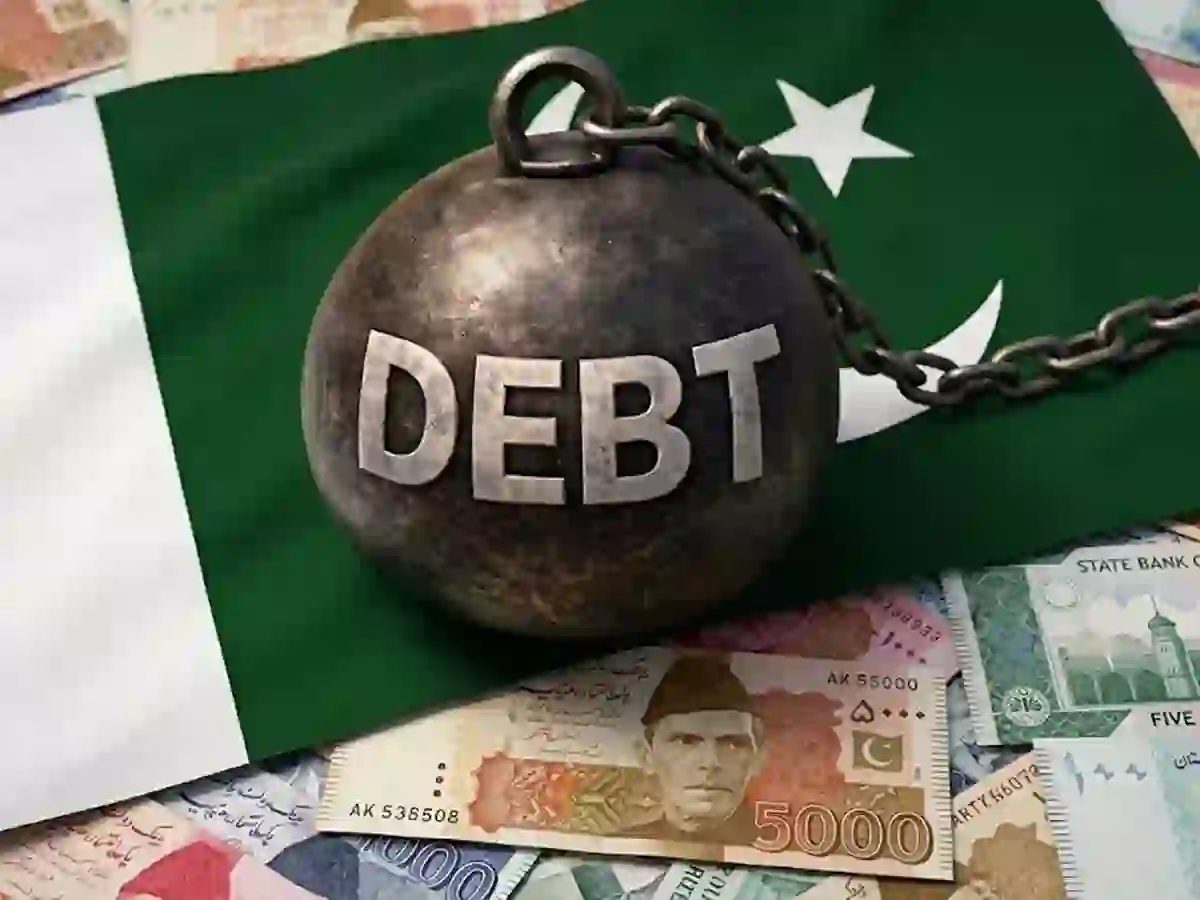
Pakistan’s total debt has climbed to Rs99.6 trillion, reflecting a significant increase in the country’s overall debt burden, according to data released by the State Bank of Pakistan (SBP).
Follow Times of Karachi on Google News and add as a preferred Source on Google
The latest figures show that Pakistan’s debt position continued to deteriorate amid higher domestic borrowing, external liabilities and substantial debt-servicing requirements.
According to SBP data, the country’s total debt stood at Rs94.387 trillion as of June 30, 2025, meaning the debt burden increased by around Rs5.2 trillion during fiscal year 2024-25.
The federal government’s domestic debt reached Rs59.441 trillion, while Pakistan’s external debt stood at Rs36.19 trillion by June 2026, according to the central bank.
The rising debt burden has placed additional pressure on the government’s fiscal position, particularly as a substantial portion of public revenues continues to be allocated towards debt servicing.
During fiscal year 2026, Pakistan made total debt repayments of approximately Rs11.966 trillion.
Also Read: PSX market closes higher as index gains 465 points
Of this amount, around Rs4.466 trillion was paid towards the principal of external debt, while approximately Rs7.266 trillion was paid in interest payments, according to the reported SBP figures.
Interest payments alone remained a major component of the country’s debt-servicing costs. Pakistan paid around Rs9.466 trillion in interest during fiscal year 2025, highlighting the growing cost of maintaining the country’s debt obligations.
Meanwhile, Pakistan’s electricity-sector circular debt has emerged as another major challenge for the government, particularly as Islamabad continues discussions with the International Monetary Fund (IMF).
Follow the Times of Karachi channel on WhatsApp
The issue is expected to remain an important part of upcoming IMF review talks, which are scheduled to take place in Pakistan next month.
Local media reports have stated that the power-sector circular debt has reached a level approximately 130% higher than the limit agreed with the IMF. The original target was to keep the circular debt at around Rs1.6 trillion.
The growing circular debt reflects persistent problems in the energy sector, including unpaid obligations across the power supply chain, rising costs and difficulties in recovering electricity dues.