





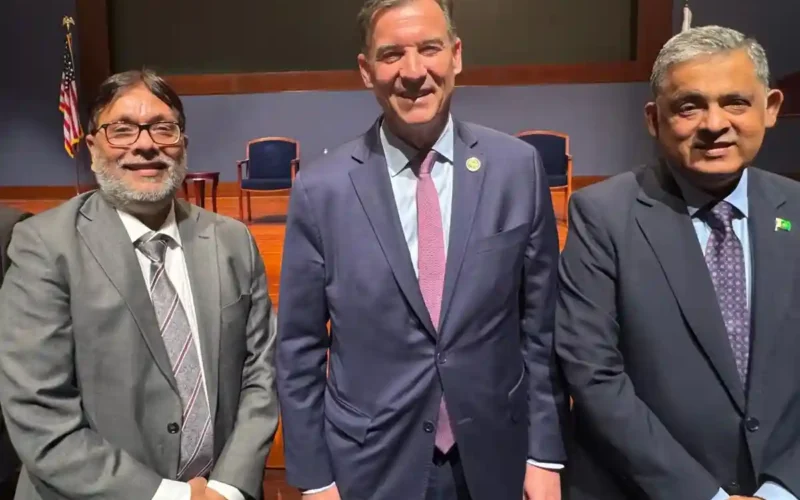
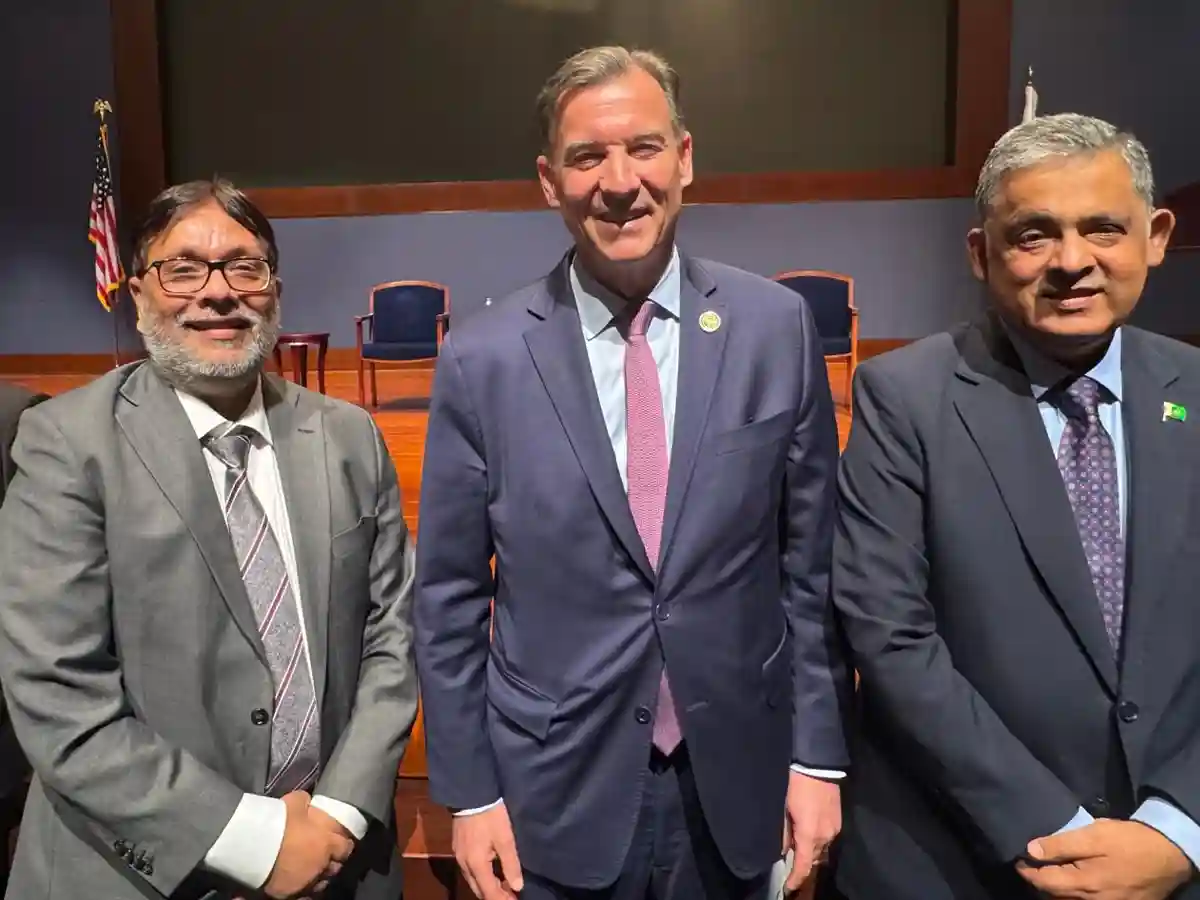
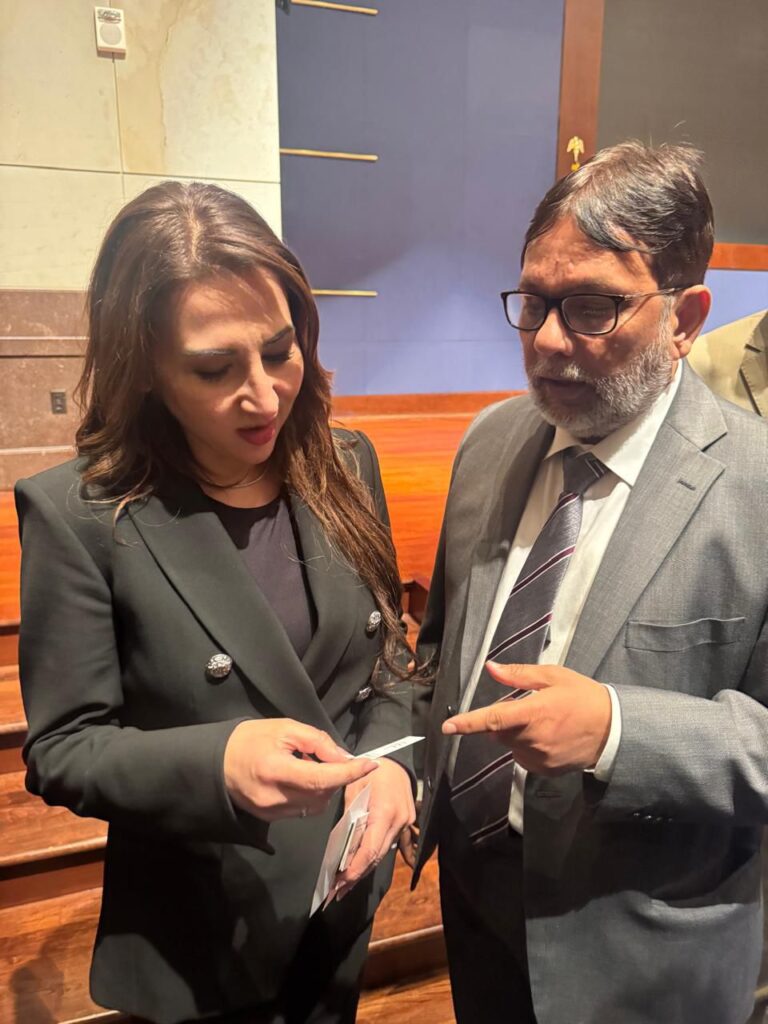
Karachi Metropolitan University marked a notable presence at the United States Capitol as Vice Chancellor Prof. Dr. Wasim Qazi joined global policymakers and thought leaders at a high-level symposium on the future of U.S.–Pakistan relations.
The symposium, titled “U.S.–Pakistan: Past, Present, and Future,” was held on March 24, 2026, at the U.S. Capitol in Washington, D.C.
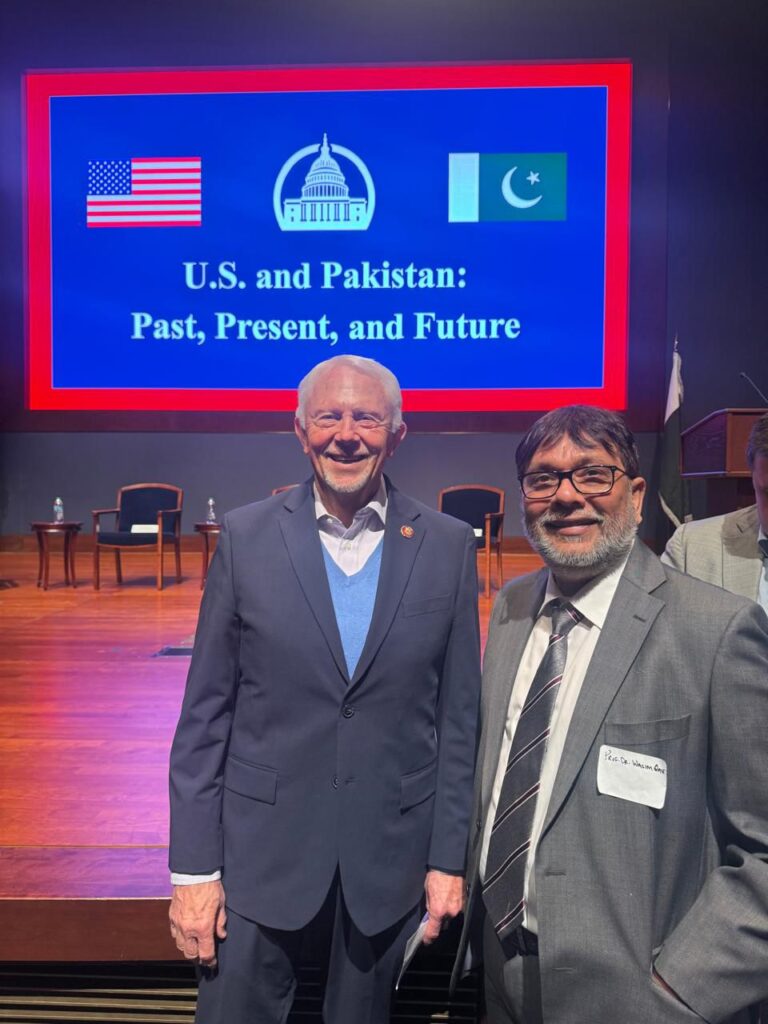
The event was convened at the invitation of Tom Suozzi and Jack Bergman, Co-Chairs of the Congressional Pakistan Caucus.
Expressing his appreciation, Prof. Dr. Wasim Qazi conveyed gratitude to the distinguished hosts for organizing a forward-looking dialogue aimed at strengthening bilateral ties.
Visit Times of Karachi website for the latest news-related content
The symposium focused on three key thematic areas: the historical evolution of U.S.–Pakistan relations, contemporary security dynamics, and future economic partnerships and opportunities.
The discussions brought together policymakers, diplomats, and thought leaders to explore avenues for enhanced cooperation.
Prof. Dr. Wasim Qazi contributed to deliberations centered on shaping pragmatic policy directions and fostering collaboration across government institutions, diaspora communities, and private sector stakeholders.
He highlighted the importance of sustained engagement in building mutually beneficial partnerships.
During the event, he also engaged with Rizwan Sheikh, Ambassador of Pakistan, and Natalie Baker, Charge d’Affaires a.i, U.S. Embassy Islamabad, among other distinguished participants.
Speaking on the occasion, Prof. Dr. Wasim Qazi emphasized that strengthening U.S-Pakistan relations must be anchored in strategic investment in human capital development, aligned with the evolving needs of global and regional markets.
He underscored that targeted investments in education, skills development, and innovation ecosystems are critical to building a future-ready workforce capable of meeting dynamic business and industry requirements.
He further noted that universities must play a central role in bridging the gap between academia and industry by fostering applied research, promoting industry-academia partnerships, and developing market-driven curricula.
Such alignment, he stated, not only enhances workforce productivity but also creates a pipeline of skilled professionals that directly supports foreign investment, industrial growth, and economic resilience.
Follow the Times of Karachi channel on WhatsApp
Prof. Dr. Wasim Qazi highlighted that positioning human capital as a strategic asset is essential for unlocking long-term economic value, enabling competitiveness, and ensuring sustainable development outcomes.
He added that collaborative platforms like this symposium are instrumental in aligning policy priorities with investment frameworks and in advancing shared goals of innovation-led growth between the United States and Pakistan.