



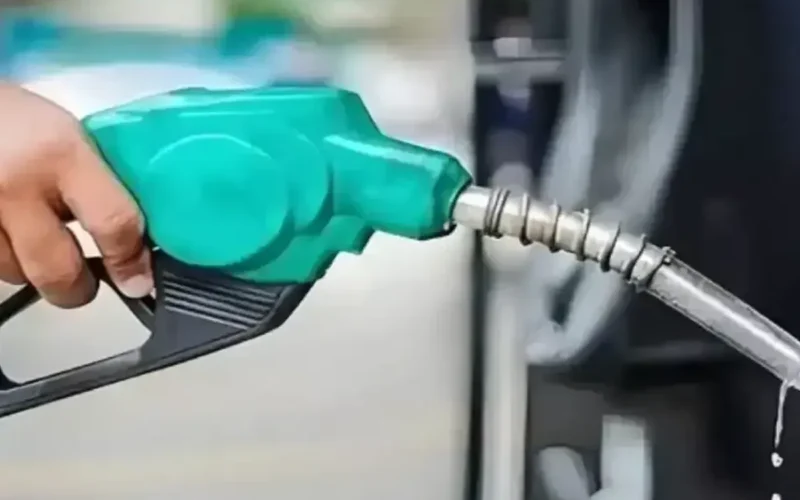
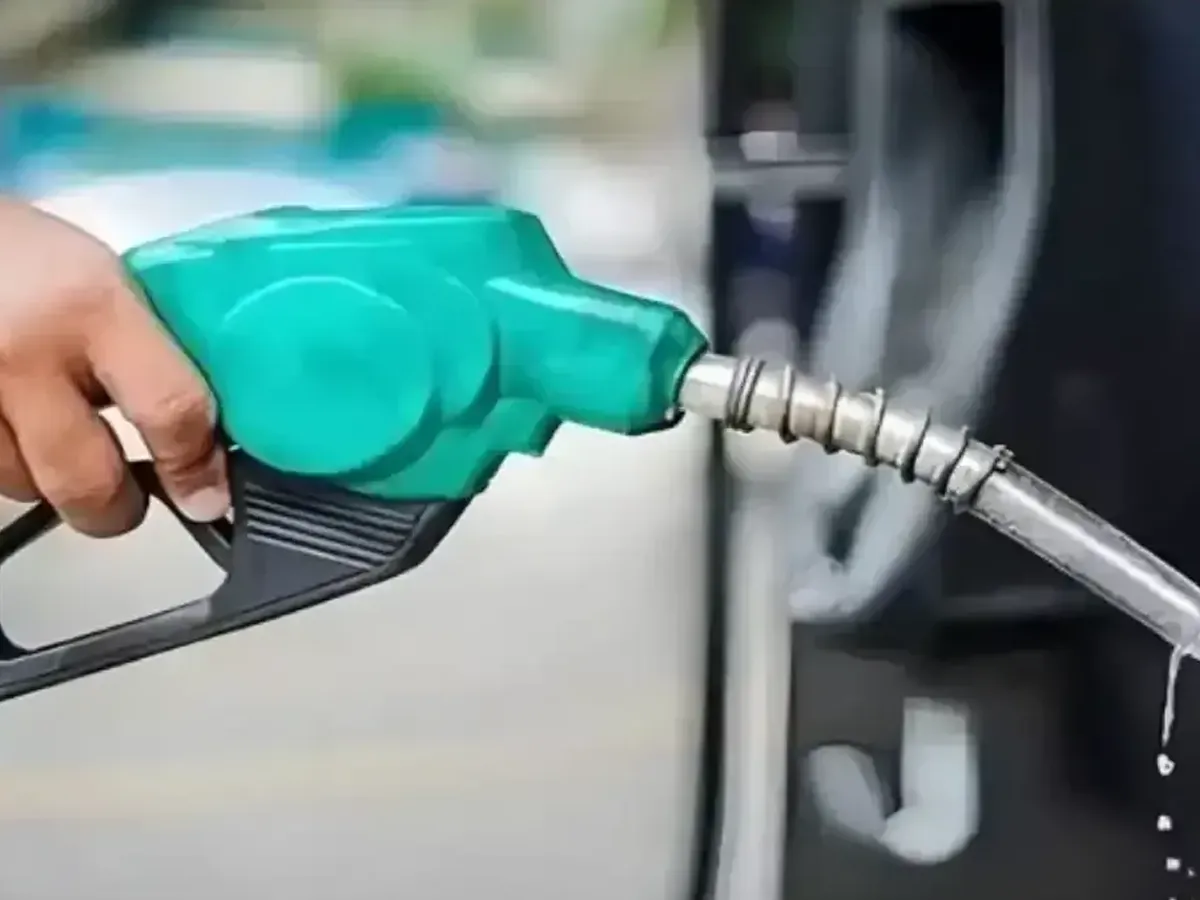
The federal government has increased the prices of petrol and diesel by Rs55 per litre as rising global oil prices continue to affect Pakistan’s domestic fuel market.
The surge in international prices has been linked to the ongoing conflict involving the United States, Israel, and Iran.
Visit Times of Karachi website for the latest news-related content
The announcement was made during a press conference by Petroleum Minister Ali Pervaiz Malik, who was accompanied by Deputy Prime Minister Ishaq Dar and Finance Minister Muhammad Aurangzeb.
Following the revision, the price of petrol has increased from Rs266.17 to Rs321.17 per litre, while high-speed diesel now costs Rs335.86 per litre, up from Rs280.86.
The new rates came into effect from midnight.
This adjustment also marks a change in the government’s pricing policy, as petroleum prices will now be reviewed every week instead of every two weeks.
The shift comes as tensions in the Middle East threaten global energy supplies, particularly after Iran announced the closure of the Strait of Hormuz, a vital route for oil shipments.
The government has also revised the petroleum development levy (PDL).
The levy on petrol has been increased from Rs84.40 to Rs105 per litre, while the levy on high-speed diesel has been reduced from Rs76.21 to Rs55 per litre.
Speaking during the press briefing, Malik said the decision was taken after carefully reviewing the changing international market situation.
“We will review these prices on a weekly basis,” he said, adding that the government would reduce prices promptly once the situation improved.
“There is no doubt that we are going through extraordinary circumstances today,” he said.
The petroleum minister also said that the government had been managing petroleum reserves carefully in recent weeks to maintain supply across the country.
“Over the past few weeks, we have preserved petroleum reserves and maintained supply according to our available stocks,” he said.
READ: Pakistan likely to consider ‘Corona-Era Formula’ for Fuel Prices
Malik warned that strict action would be taken against individuals or businesses involved in hoarding fuel to gain illegal profits.
“Action will be taken against those who stopped selling petrol in order to make undue profits,” he warned.
He added that the government had been left with limited options due to rising global prices.
“Today, global prices of petrol and diesel have increased many times over,” he said, adding: “We have taken the difficult decision to increase the prices of petroleum products.”
Deputy Prime Minister Ishaq Dar also addressed the press conference and said Prime Minister Shehbaz Sharif had chaired a meeting earlier in the day to review the situation.
“The prime minister himself chaired a meeting today in which the situation was reviewed,” Dar said, adding that the premier was deeply concerned about the developments.
He said the government was examining different options to deal with the changing economic environment.
“We have to see how much increase is required,” Dar said, adding that authorities were working to find a balanced solution.
The government is also exploring alternative oil supply routes.
Pakistan recently approached Saudi Arabia to facilitate oil shipments through the Red Sea port of Yanbu after Iran announced the closure of the Strait of Hormuz.
Petroleum Minister Malik held a meeting with Saudi Ambassador Nawaf bin Said Al-Malki earlier this week to discuss the matter.
According to the minister, Saudi authorities assured Pakistan that supplies could be arranged through the Yanbu port to support the country’s energy needs.
Dar further said that Pakistan had contacted foreign ministers of several countries in an effort to help ease regional tensions.
“We have contacted the foreign ministers of other countries,” he said, adding that Pakistan was making every effort to work with partners to reduce tensions in the region.
“We will have to see how long it takes to reduce these tensions,” he added.
Meanwhile, Finance Minister Muhammad Aurangzeb said the government was studying the potential economic effects of the fuel price increase.
“We are also reviewing what impact the increase in prices will have on imports and exports,” the finance minister said.
He assured the public that Pakistan currently has enough fuel reserves and advised people not to panic.
The finance minister also said that Prime Minister Shehbaz Sharif had directed the federal government to remain in close contact with provincial authorities to ensure coordinated efforts during the situation.
Separately, the Pakistan Business Forum (PBF) urged the government to reconsider the sharp increase in fuel prices.
Follow the Times of Karachi channel on WhatsApp
In a statement, the forum warned that such a major hike could seriously affect business activity and the overall economy.
The organisation noted that fuel prices had risen by up to Rs63 within a week, creating difficulties for businesses across the country.
PBF officials also pointed out that Pakistan still has more than 18 days of petroleum reserves available and questioned the need for such a sudden increase.
PBF President Khawaja Mehboobur Rehman said the government should share the burden during these challenging circumstances.
The forum also criticised the decision to raise the petroleum levy to Rs105 per litre and called for a 50% reduction in the levy to provide relief to businesses and the wider economy.