


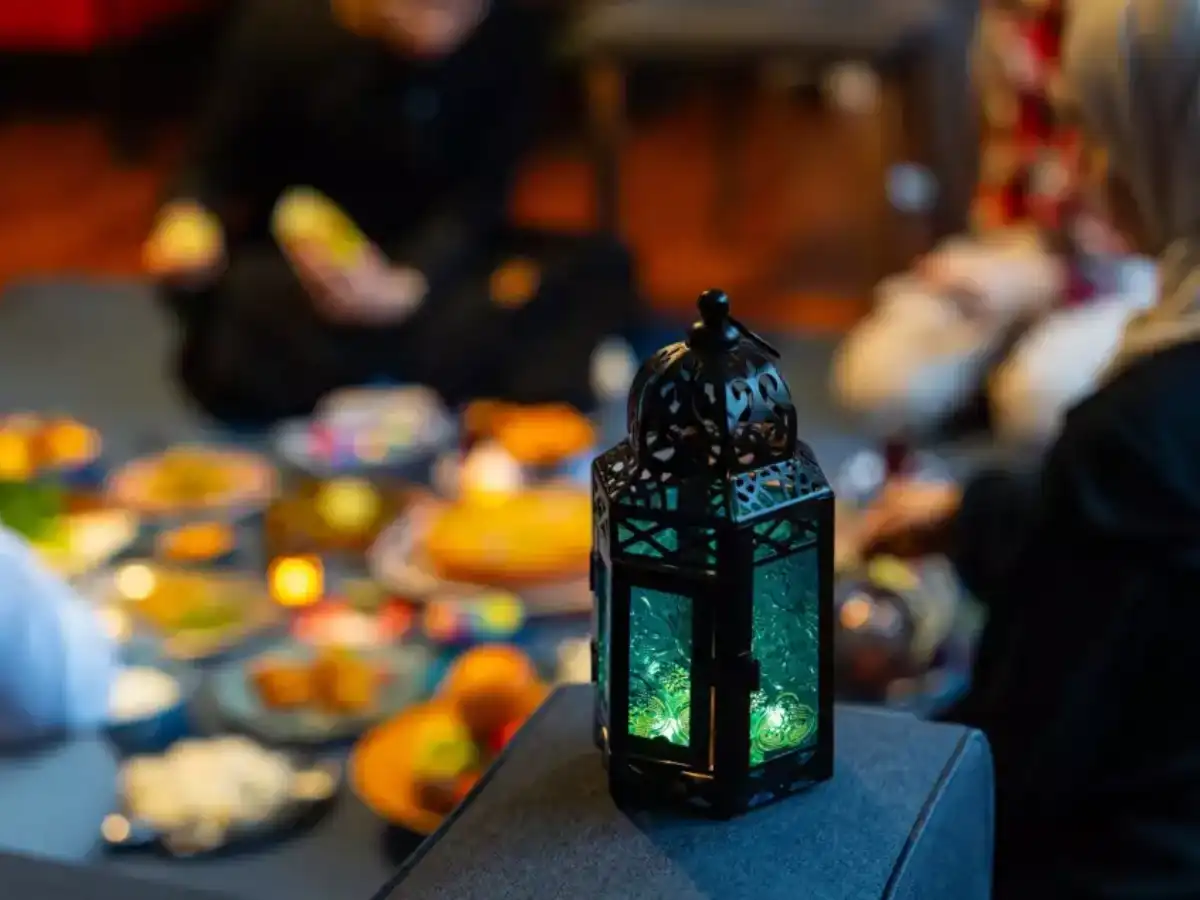
Ramadan is the most sacred month in the Islamic calendar, observed by millions of Muslims around the world through fasting, prayer, self-reflection, and acts of charity.
From dawn to sunset, adult Muslims refrain from eating and drinking while also striving to strengthen their character, deepen their faith, and support those in need.
When does Ramadan 2026 start?
The start of Ramadan is based on the Islamic lunar calendar, meaning the holy month begins with the sighting of the new crescent moon and moves earlier by around 10 to 11 days each year.
In 2026, Ramadan is expected to begin on either Thursday, 19 February, or Friday, 20 February. However, the exact start date will only be confirmed once the moon is sighted.
Visit Times of Karachi website for the latest news-related content
While moon sighting announcements are often made in Saudi Arabia, Muslims in Pakistan also follow official declarations from local and national religious bodies, including the Ruet-e-Hilal Committee, along with other recognized moon-sighting authorities across the country.
The last ten nights of Ramadan
The final ten nights of Ramadan are considered the most spiritually significant and are expected to fall between 10 and 19 March, though this remains an estimate and depends on moon sighting.
During this period falls Laylat al-Qadr, also known as the Night of Power – the night on which the Qur’an was first revealed to the Prophet Muhammad (peace be upon him).
Many Muslims believe that worship on this night carries immense spiritual reward, which leads to increased night prayers, Qur’an recitation and reflection during the closing days of Ramadan.
Prayer times during Ramadan
Prayer times change daily throughout Ramadan as they are determined by the position of the sun.
Muslims perform five daily prayers, with fajr at dawn marking the beginning of the fast and maghrib at sunset signaling the time to break it.
Many Muslims also attend taraweeh prayers – special voluntary prayers offered only during Ramadan – which are held after isha, the final prayer of the day.
Eid-ul-Fitr 2026: State Bank issues latest update on fresh notes
Taraweeh timings vary from mosque to mosque. In addition, Muslims increase their reading and recitation of the Qur’an throughout the month.
To find local prayer times, you can visit dedicated prayer time page, while many people also follow schedules published by mosques in major cities like Karachi, Lahore, Islamabad, Rawalpindi, and Peshawar.
What time does the first fast start in Pakistan?
Suhoor is the pre-dawn meal eaten before fasting begins. On the first day of Ramadan, fajr is expected to be around 5:47am, meaning suhoor must be completed by that time. As Ramadan progresses, fajr occurs earlier each day, with the final fast expected to begin at around 5:20am.
What time can you break your fast?
Iftar is the meal eaten at sunset to break the fast, and its timing varies by date and location. At the start of Ramadan, iftar is likely to be around 6:30pm, gradually becoming later as the days lengthen, reaching approximately 6:45pm by the end of the month.
Follow the Times of Karachi channel on WhatsApp
When is Eid-ul-Fitr?
Ramadan concludes with Eid-ul-Fitr, one of the most important celebrations in the Islamic calendar. Eid begins with the sighting of the new moon, meaning its exact date is confirmed only at the end of Ramadan and may vary between countries and communities.
In 2026, Eid-ul-Fitr is expected to fall on either Thursday, 19 March, or Friday, 20 March. As with the start of Ramadan, official confirmations are usually announced by mosques and Islamic organisations on the final evening.
Muslims celebrate Eid-ul-Fitr by attending special Eid prayers, wearing new or festive clothing, gathering with family and friends, and enjoying celebratory meals. Many people also take time off work or school to mark the occasion.