


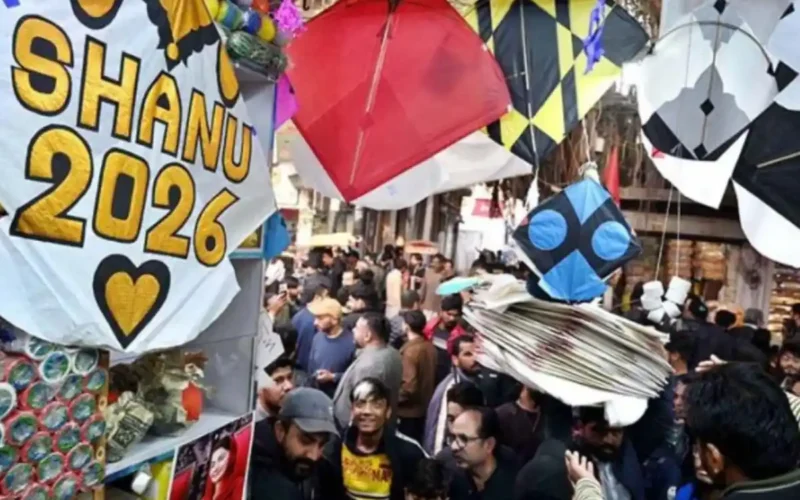
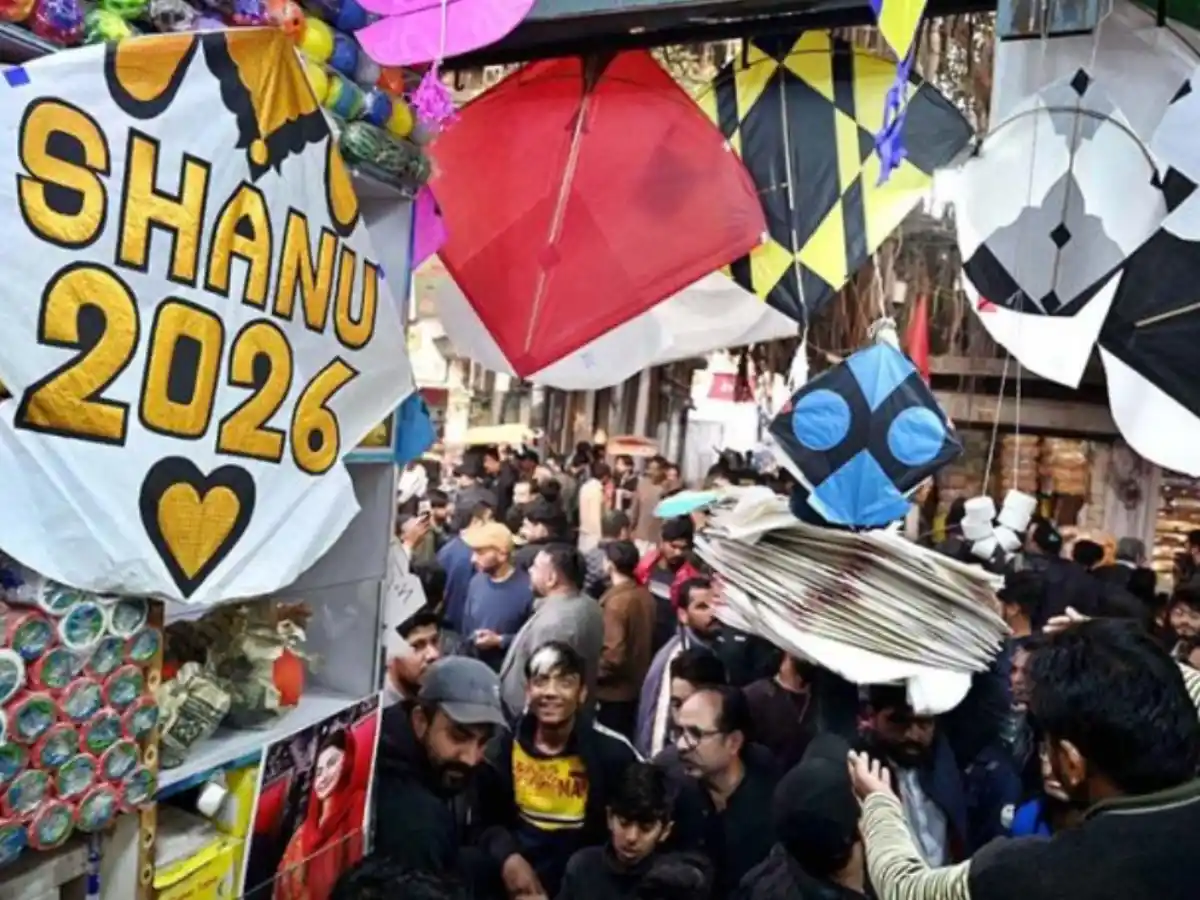
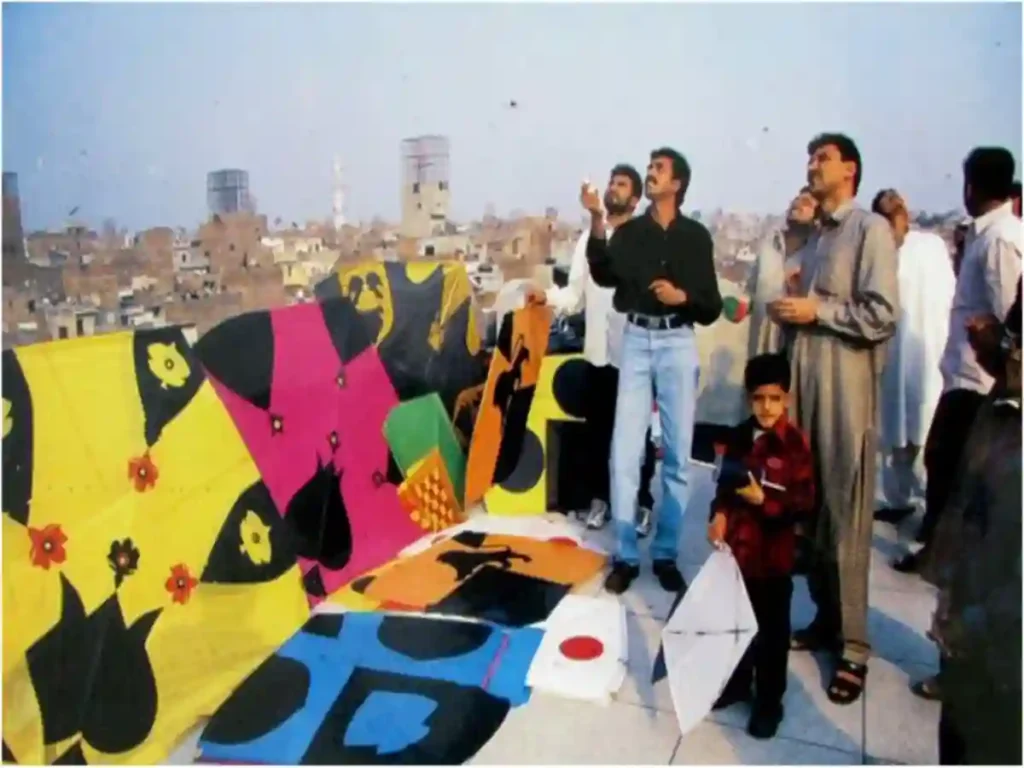
A single cry of “Bo-Kata!” once defined February in Lahore, when rooftops overflowed with people and the sky filled with kites. For generations, Basant transformed the city into a celebration of colour, music, and movement.
Yellow dupattas fluttered in the breeze, dhol beats echoed through narrow streets, and the scent of marigolds filled the air. For nearly two decades, those same rooftops remained silent.
Now, after almost 20 years, Basant is officially returning to Lahore in February 2026, marking the revival of a tradition deeply tied to the city’s identity.
What Is Basant and Why It Matters
Basant is not just a festival but a significant cultural and seasonal celebration. Traditionally observed in the second month of the year, it heralds the arrival of spring and the end of winter.
Visit Times of Karachi website for the latest news-related content
In Punjab, this seasonal change turns farmland into fields of blooming yellow mustard, known locally as sarson. Over time, the colour yellow became synonymous with Basant and with Lahore itself.
Kite flying emerged as the festival’s central tradition, turning rooftops into lively spaces of competition, celebration, and shared joy.
The Ancient Roots of Basant
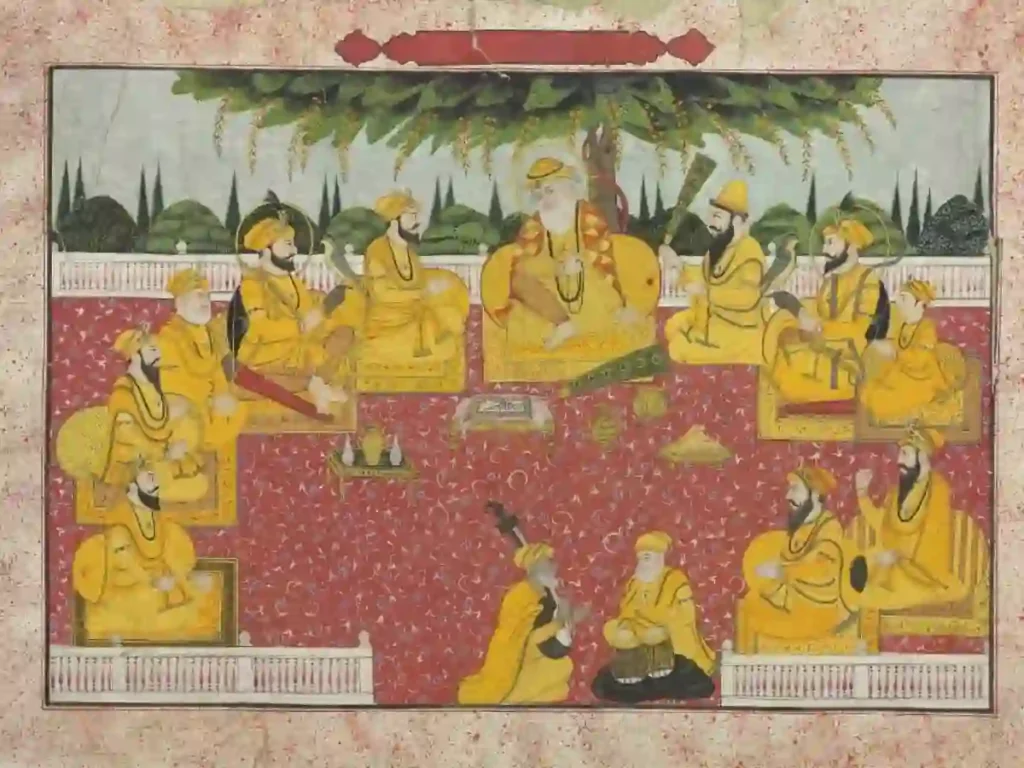
The roots of Basant stretch back centuries and blend nature, folklore, and spirituality. Originally, farmers celebrated the ripening mustard crop and the return of warm sunlight.
In the 12th century, the famed poet Amir Khusrau introduced Basant to Sufi culture by presenting yellow flowers to his spiritual guide, Hazrat Nizamuddin Auliya.
Gradually, the festival moved beyond religious boundaries and evolved into a secular Punjabi celebration, embraced by Muslims, Hindus, and Sikhs alike.
How Lahore Made Basant World-Famous
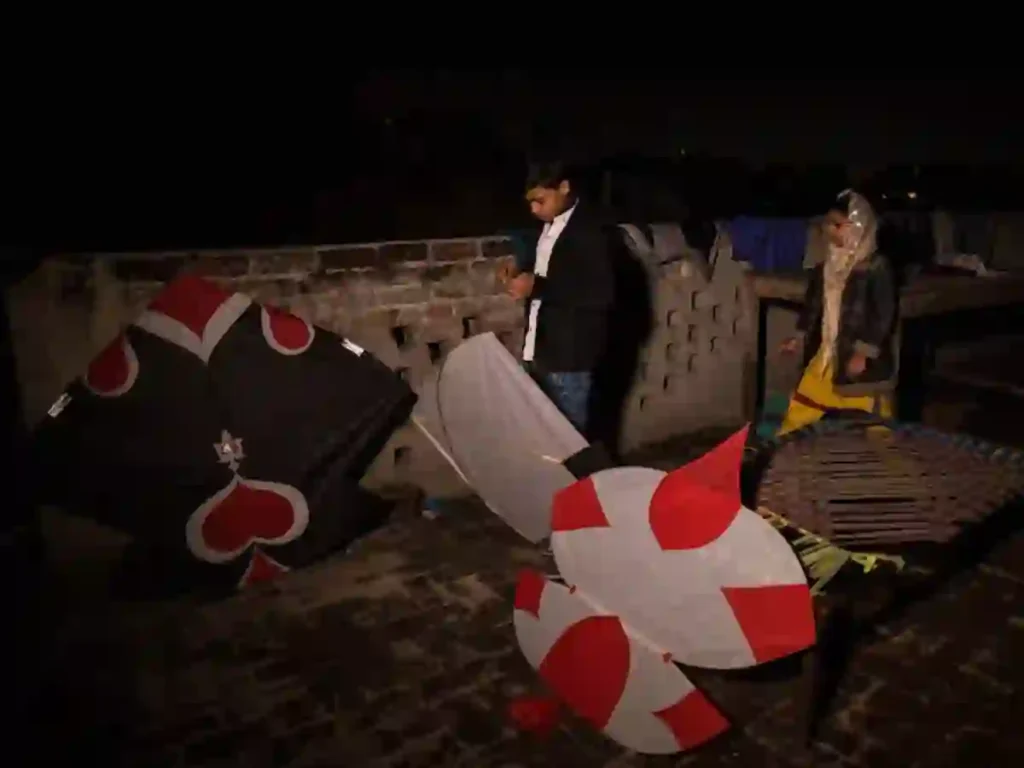
Lahore played a defining role in shaping Basant into a global spectacle. During the 19th century, under Sikh rule, Maharaja Ranjit Singh organised grand Basant fairs and even required his army to wear yellow, firmly embedding the colour into the city’s cultural identity.
By the mid-20th century, kite flying had become the heart of Basant, with rooftop “kite battles” showcasing skill and strategy.
By the 1990s, Basant had achieved international fame, with hotels booked months in advance, tourists filling the Walled City, and celebrities attending all-night rooftop parties.
The famous “White Basant,” featuring white kites flown under floodlights, became a signature attraction.
Why Basant Was Banned in Pakistan
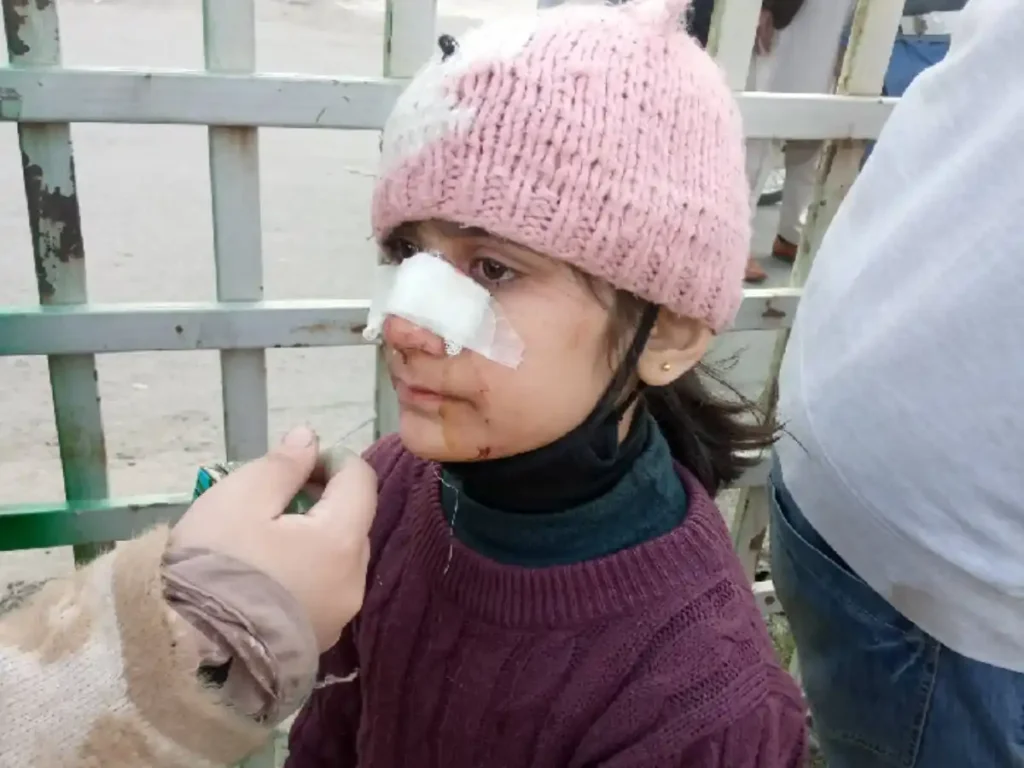
This vibrant celebration came to a sudden halt in the mid-2000s. Between 2005 and 2007, Basant became increasingly controversial due to serious safety concerns.
Unregulated kite strings coated with crushed glass and chemicals, known as manjha, turned deadly. These nearly invisible strings caused severe injuries and fatalities, especially among motorcyclists.
The use of metal and copper wires led to electrocutions and major power outages, while celebratory aerial firing caused deaths from falling bullets. These incidents ultimately forced the government to impose a long-term ban.
Religious, Moral, and Cultural Opposition
Beyond safety concerns, Basant faced strong ideological opposition. Certain religious groups labelled it a non-Islamic or Hindu festival, arguing it conflicted with Islamic values.
Others raised moral concerns about rooftop music, dancing, and mixed-gender gatherings. Economic critics called the festival wasteful in a developing country.
Pakistan announces public holidays for 2026
At the same time, many citizens viewed the ban as the loss of Lahore’s unique Punjabi heritage.
Basant Officially Returns in Lahore – February 2026
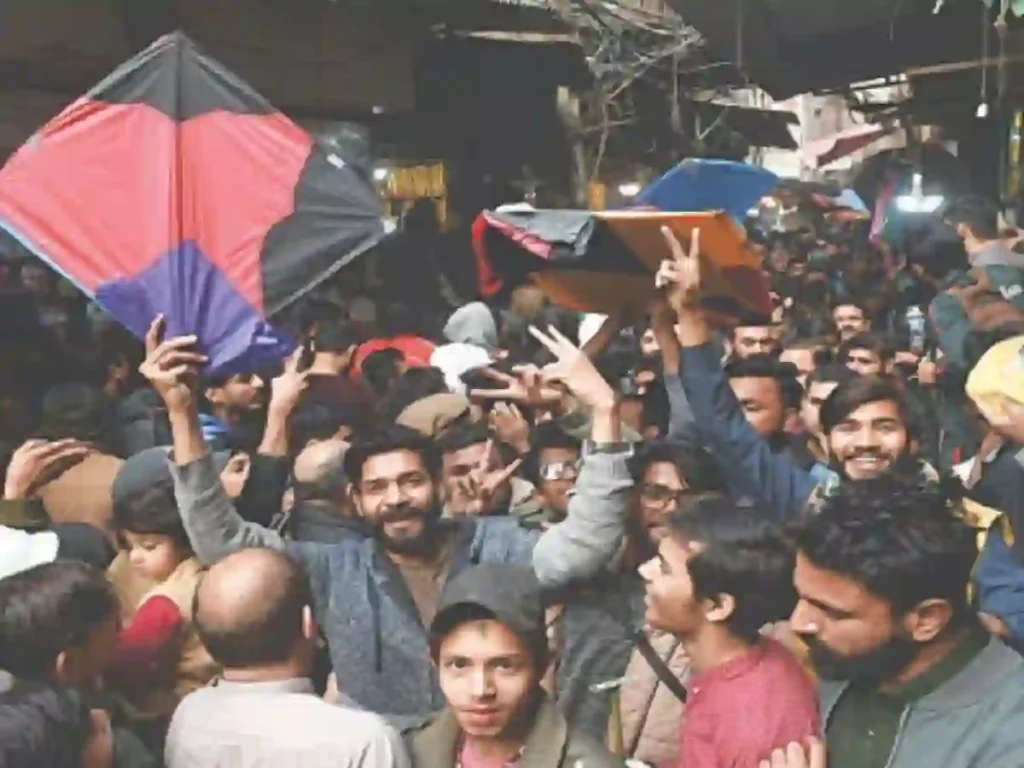
After nearly two decades, the Punjab government has officially approved Basant’s return on February 6, 7, and 8, 2026.
However, the revival is not a return to the carefree celebrations of the past. Instead, it is a carefully controlled and closely monitored event designed to restore tradition without repeating past tragedies.
وزیر اعلیٰ پنجاب مریم نواز شریف کا پیغام بسنت منائیں حفاظت کے ساتھ 25 سال بعد اہلیان لاہور منائیں گے۔۔۔ pic.twitter.com/KdLST02jMc
— Government of Punjab (@GovtofPunjabPK) January 31, 2026
Punjab to Observe Extended Four-Day Holiday, Says CM Maryam Nawaz
Punjab Chief Minister Maryam Nawaz has called on residents to make the most of the upcoming four-day weekend, describing it as a chance to relax and recharge.
In a post on X, she outlined the holiday schedule, noting that February 5 will be observed as Kashmir Day, followed by a provincial holiday for Basant on February 6, with regular weekend holidays on Saturday and Sunday completing the extended break.
She expressed hope that people across the province would use the time positively and return refreshed.
Punjab Kite Flying Ordinance 2025 and Safety Laws
The revival is governed by the Punjab Kite Flying Ordinance 2025, which introduces strict safety regulations.
Lahore has been divided into Red, Yellow, and Green zones, with the Walled City classified as a Red Zone under constant drone and CCTV surveillance.
Every kite and string spool must carry a QR code linked to registered manufacturers.
Only nine-thread cotton string, known as pinna, is allowed, while chemical and metal-coated strings are completely banned.
Motorcycle Protection and Public Safety Measures amid Basant
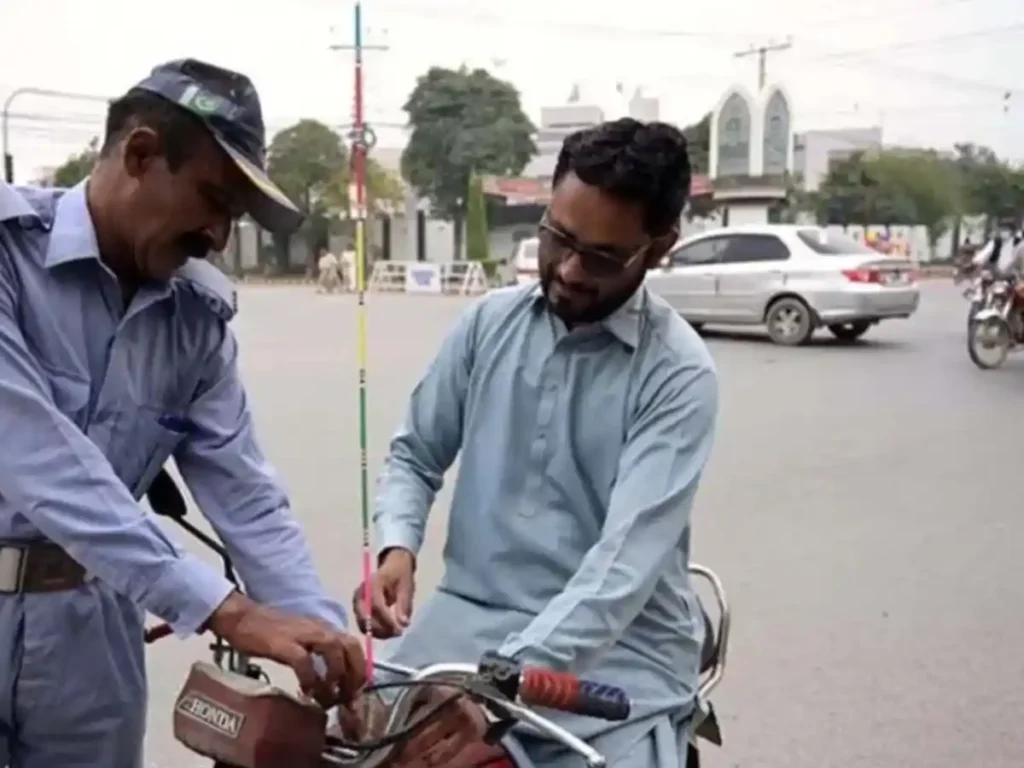
To protect motorcyclists, the Punjab government has installed one million free safety rods on bikes at a cost of over Rs 110 million.
Motorcycles without these rods are prohibited from entering Red Zones during Basant. Law enforcement agencies will maintain a zero-tolerance policy throughout the festival.
Political and Economic Importance of Basant’s Revival
Basant’s return carries both political and economic significance. Chief Minister Maryam Nawaz has promoted the festival as part of a broader effort to present a soft and culturally vibrant image of Punjab.
Economically, the ban had destroyed a multi-billion-rupee cottage industry. Its revival has already provided employment and income to thousands of kite makers, dyers, and vendors across Lahore.
Legal Challenges and Court Oversight
Despite government approval, Basant 2026 faces legal challenges.
Petitions filed in the Lahore High Court argue that the state cannot fully guarantee public safety. The court has demanded detailed reports on police deployment, emergency medical services, and rescue arrangements.
Judges have warned that even a single fatal incident could result in the immediate cancellation of the festival.
Rules for Kite Flying and Rooftop Celebrations
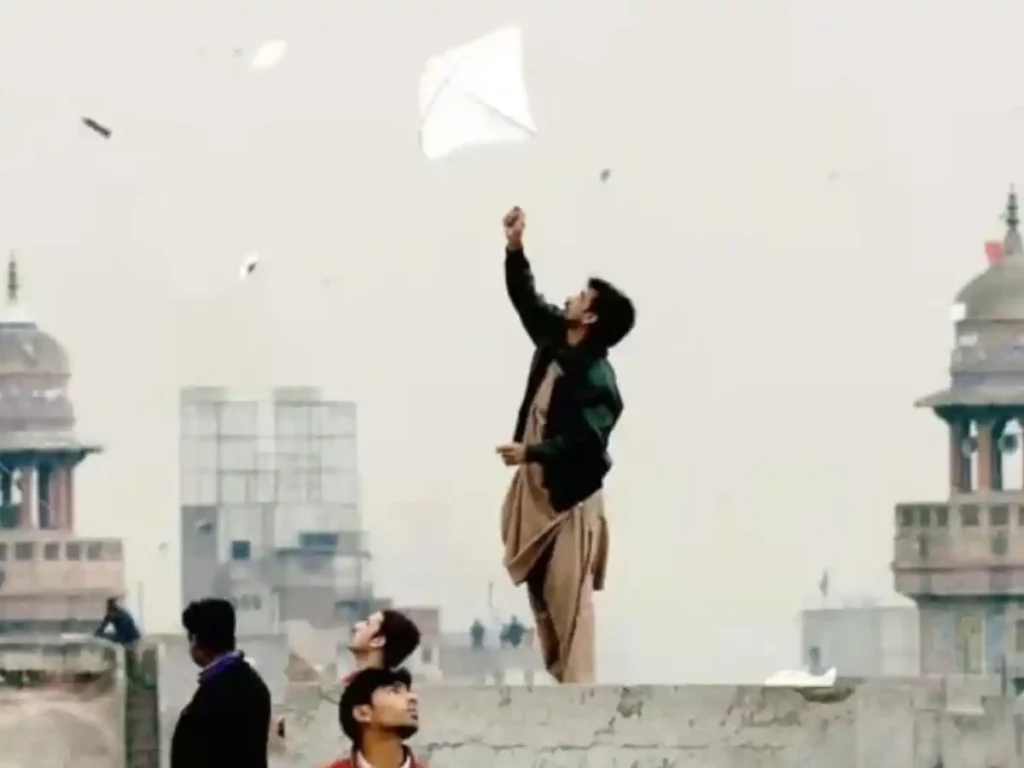
Authorities have banned political, religious, and national symbols on kites, allowing only plain or multi-coloured designs.
Only adults aged 18 and above are allowed to fly kites, while children must remain under supervision.
Follow the Times of Karachi channel on WhatsApp
Rooftop owners are required to submit surety bonds and follow strict crowd limits under police supervision.
Official Basant 2026 Dates in Lahore
The Punjab government has declared February 6, 2026, a local public holiday in Lahore. Kite flying will only be legal during the three approved days and strictly within Lahore’s district limits.
Approved Celebration Areas and Major Events in Lahore
Government-approved venues include Greater Iqbal Park, Jallo Park, Jilani Park, and Model Town Park. Major private events include the DHA Phase 9 Prism Basant Mela with live performances by Abrar-ul-Haq and Ali Zafar, the Safari Basant Fest, and celebrations at Bahria Town’s Rose Garden.
Boom in Kite Trade and Market Activity
The economic revival is already evident in Lahore’s markets. Authorities have approved 2,246 traders to sell kites and strings. On the first day of authorised sales, around 400,000 kites and 15,000 string spools were sold.
Kite prices range from Rs 200 to Rs 500, while string prices range from Rs 7,000 to Rs 15,000. Total revenue from kite sales is estimated at Rs 150 million, with string sales adding another Rs 80 million.
Security, Emergency Services, and Quick Response Teams
To ensure safety, the Lahore deputy commissioner has formed Quick Response Teams in every tehsil. These teams include police, Rescue 1122, health, and civic departments.
Thirteen government hospitals have been placed on high alert, with emergency beds reserved and medical equipment fully operational.
Free Public Transport During Basant 2026
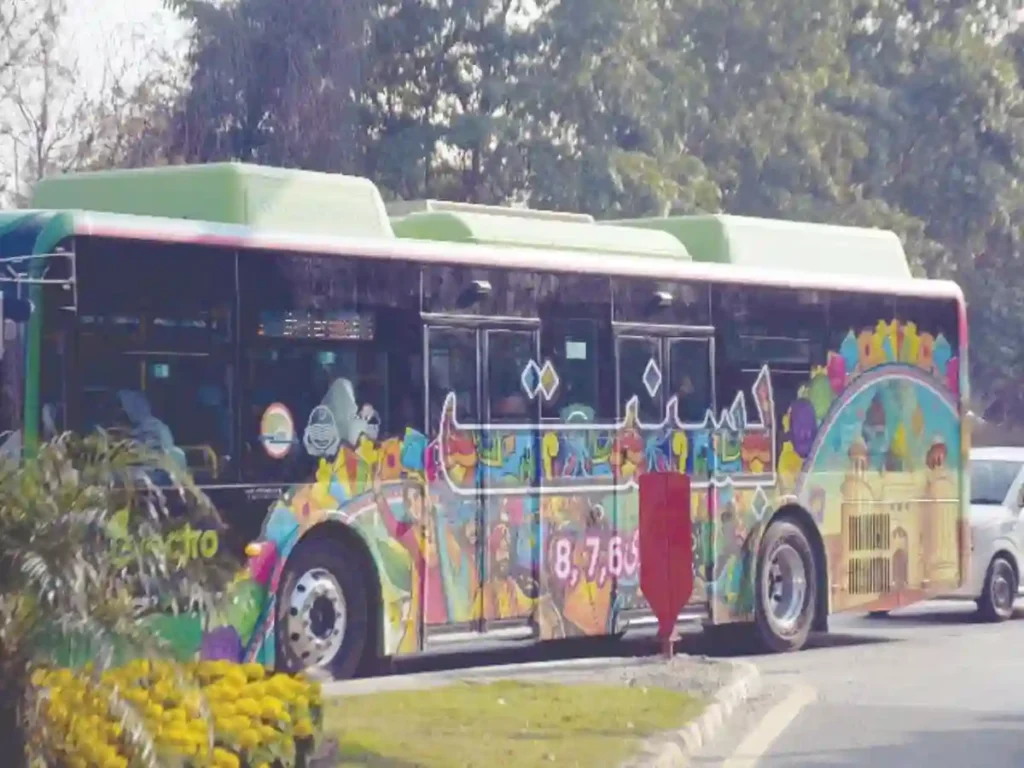
To reduce traffic congestion and motorcycle accidents, the Punjab government will provide free public transport during Basant.
This includes 500 buses, 6,000 rickshaws, and 60,000 cab rides across Lahore from February 6 to 8.
Weather Forecast for Lahore Basant 2026
According to Chief Meteorologist Dr. Zaheer Babar, Lahore will experience clear weather during Basant. No rain is expected, temperatures will remain moderate, and gentle winds will make kite flying safe and enjoyable.
A Turning Point for Lahore’s Cultural Identity
Basant 2026 represents a decisive moment for Lahore. The city has reclaimed its sky, but the future of the festival depends entirely on public responsibility.
If safety rules are followed, Basant may finally return as a permanent and regulated celebration. If not, the silence could return once again.