






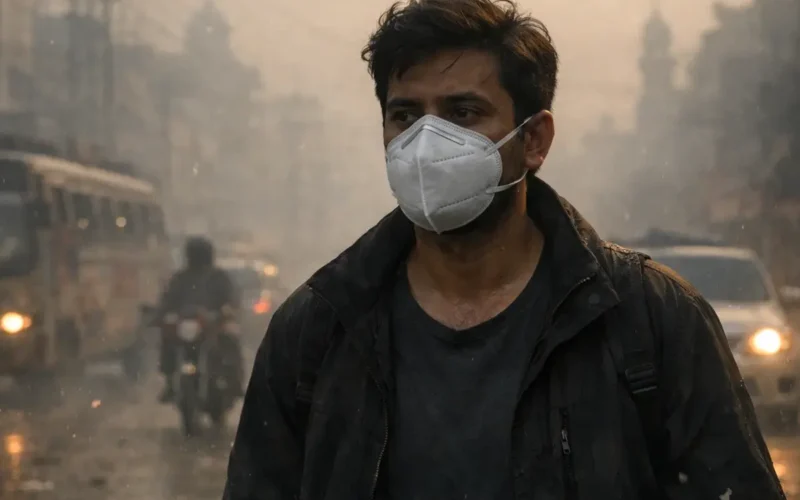
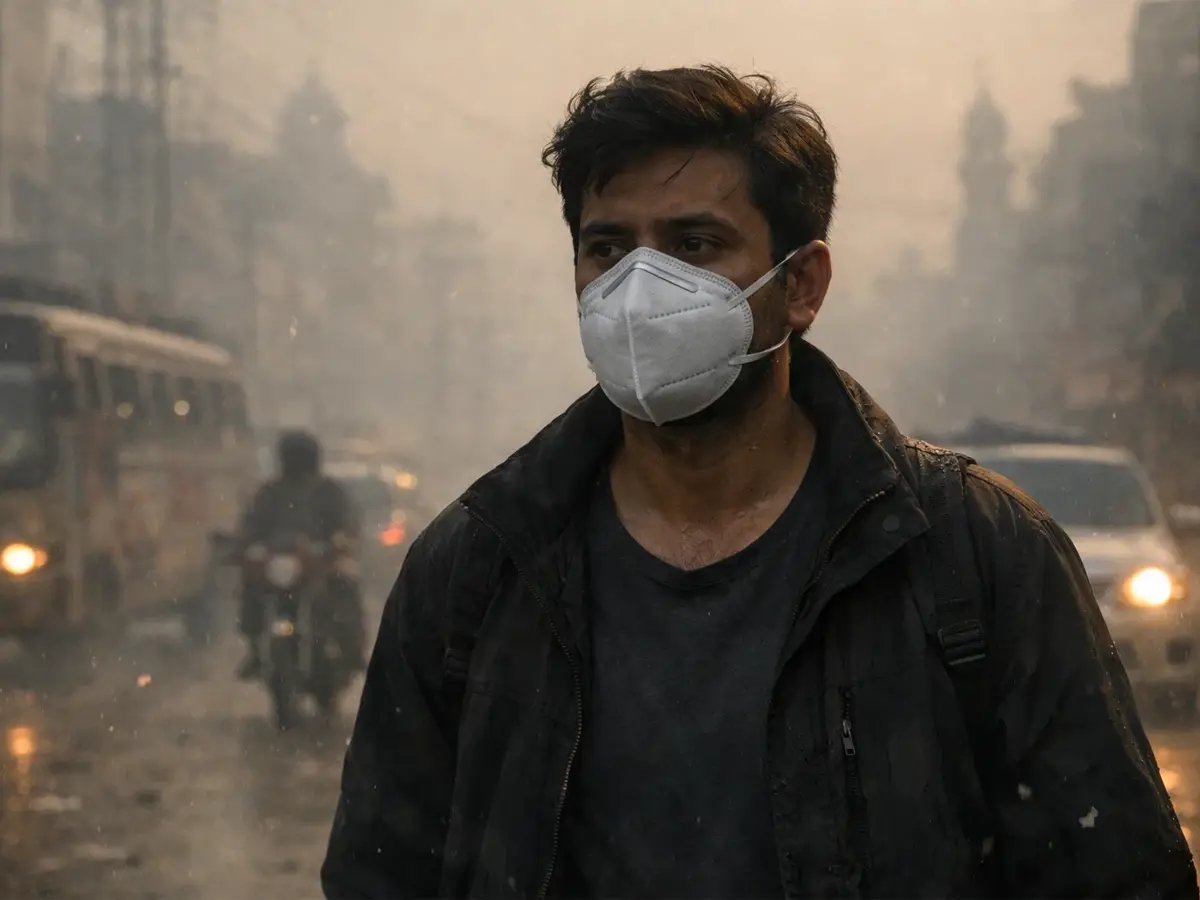
Karachi’s short-lived window of clean air came to an abrupt end on Saturday as pollution levels surged across the city.
After enjoying a day of “Good” air quality, residents now face a sharp return of unhealthy conditions, with particulate matter (PM2.5) levels climbing in major areas.
Visit Times of Karachi website for the latest news-related content
Data collected at 6:00 PM showed a sudden spike in air pollution.
Shahra-e-Faisal, which had recorded a low AQI of 84 just a day earlier, surged to 154.
University Road also saw a sharp increase, jumping from 49 to 115.
Clifton block 4 remained a hotspot, with readings reaching 130, confirming it as one of the most polluted areas.
The three-day forecast predicts that poor air quality will continue, with levels maintaining into the “Unhealthy for Sensitive Groups” range for next week.
Yasir Husain, director of the Climate Action Center in Karachi, explained that the brief improvement was temporary.
“The improvement was temporary due to rain, and change in weather patterns,” he said.
He urged residents to wear mask and take precautions while going outside.
This news report is produced in collaboration with Climate Action Center Karachi.
How many categories are there to measure Air Quality?
AQI 0–50: Good
The air quality is considered excellent, with minimal or no risk to public health. There are no necessary precautions for the general population.
AQI 51–100: Moderate
Air quality is generally acceptable; however, there may be a slight health concern for a small number of individuals who are unusually sensitive to air pollution. Active children, adults, and people with respiratory conditions like asthma should consider limiting prolonged outdoor activity.
AQI 101–150: Unhealthy for Sensitive Groups
Sensitive individuals, such as those with asthma or other respiratory issues, may begin to experience health effects, although the general population is unlikely to be affected. It is advised that active children, adults, and those with respiratory conditions limit extended outdoor exertion.
Follow the Times of Karachi channel on WhatsApp
AQI 151–200: Unhealthy
Health effects may begin to affect everyone, with sensitive groups potentially experiencing more serious symptoms. Active children and adults, and people with respiratory illnesses should avoid prolonged outdoor activity, while others—especially children—should reduce outdoor exertion.
AQI 201–300: Very Unhealthy
This range signals emergency-level health warnings. The entire population is more likely to experience adverse health effects. Those with respiratory conditions and active individuals should avoid all outdoor activity, while everyone else, particularly children, should limit time spent outdoors.
To stay informed about current Karachi Air Quality, visit TOK Weather Page
AQI 300+: Hazardous
Air quality is extremely poor, posing a serious risk to health for everyone. A health alert is in effect, and all outdoor exertion should be avoided by the entire population.