





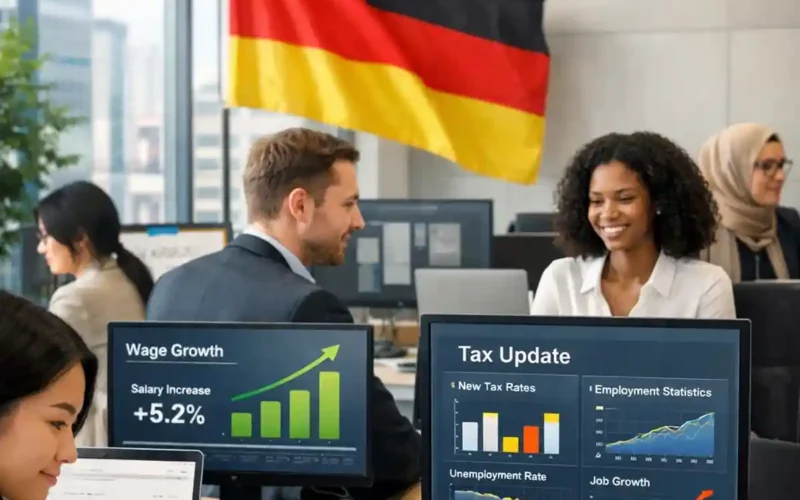
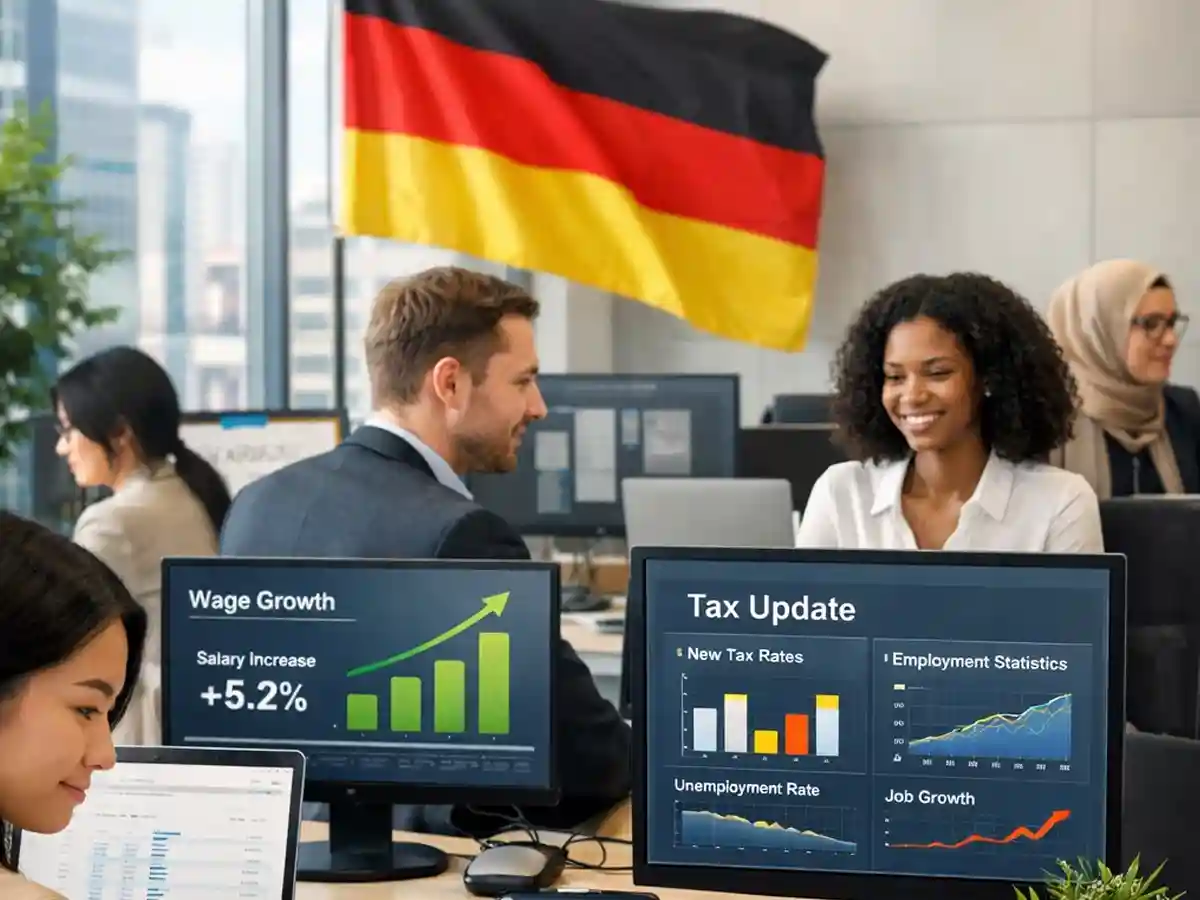
Anyone planning to work in Germany may want to pay close attention, as several important changes are set to take effect, impacting wages, taxes, and employment benefits.
Germany has announced an increase in its statutory minimum wage, which will rise by eight per cent to €13.90 per hour.
Visit Times of Karachi website for the latest news-related content
For a full-time employee working 40 hours a week, this means a minimum gross monthly salary of around €2,400 before taxes and deductions.
The move is aimed at improving income security for workers across the country.
On the taxation front, German authorities are gradually shifting towards a digital tax notification system.
Despite this transition, residents have been advised not to ignore their physical mail, as official tax-related notices may still be there during the changeover period.
READ: Germany announces job opportunities for skilled Pakistani professionals
Updates have also been introduced to Germany’s popular mini-job scheme, which allows individuals to earn a limited income with minimal tax obligations.
Under the revised rules, people earning up to €603 per month may remain eligible for tax exemption.
In another worker-friendly step, individuals who choose to continue working after reaching retirement age will now be entitled to tax relief on income of up to €2,000, offering added financial incentive for senior workers.
To make it easier for skilled professionals from abroad, the German government is also planning to set up a central coordination body to streamline the process for foreign workers entering the country.
Follow the Times of Karachi channel on WhatsApp
Additionally, authorities are reviewing proposals to reduce driving licence fees, which could further lower living costs for residents.
These upcoming changes signal Germany’s continued efforts to attract talent, support workers, and modernise its employment and tax systems, making 2026 a potentially significant year for those considering work opportunities in the country.