





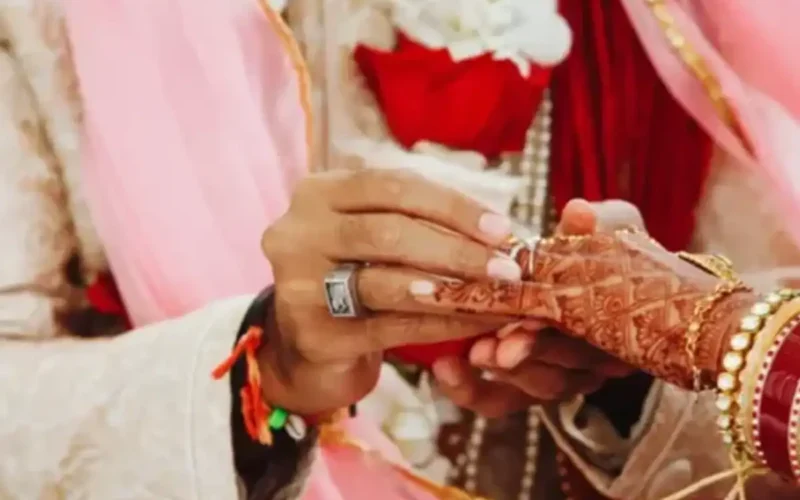
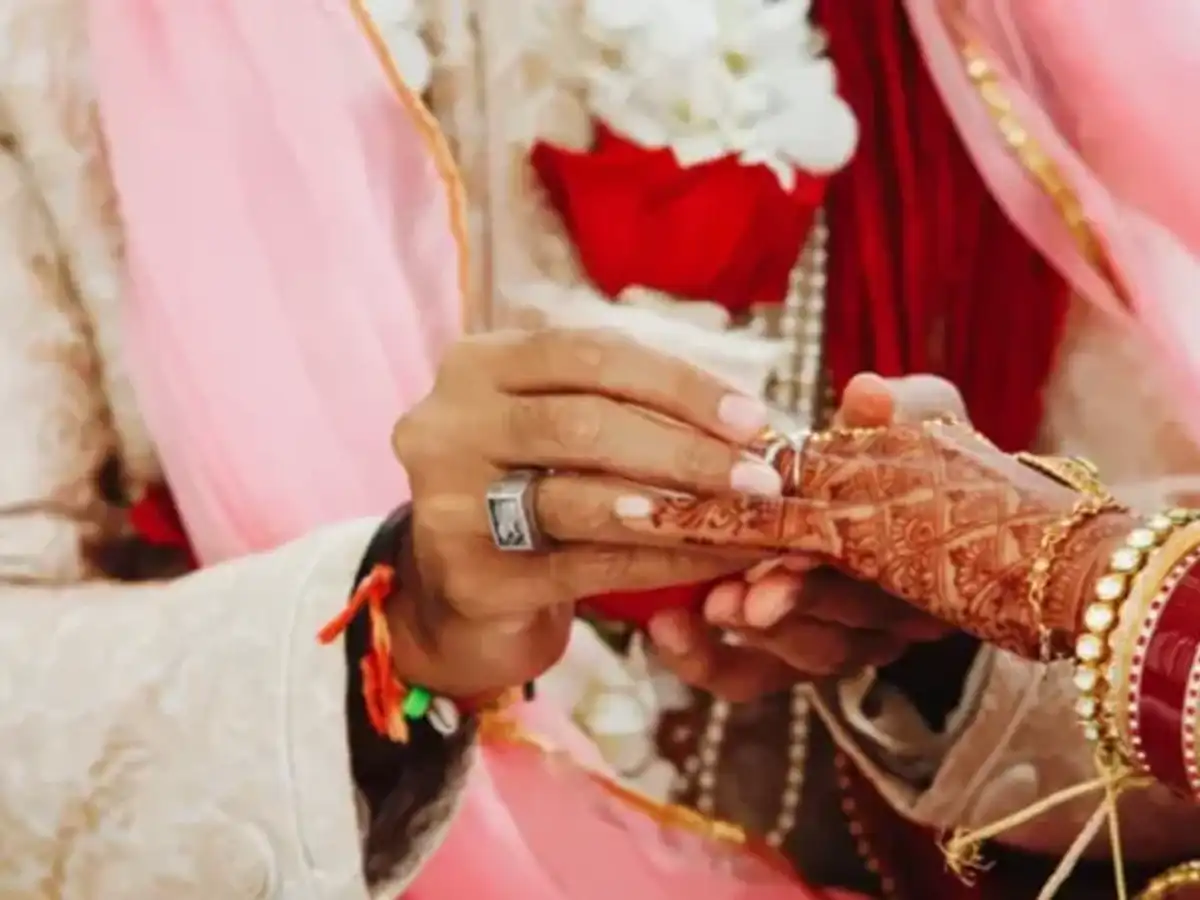
Weddings proved to be a major economic driver for Karachi in 2025, generating an estimated Rs. 33 billion during the winter wedding season, according to industry representatives and market estimates.
The figure reflects economic activity created by weddings held across the city and is based on direct industries linked to marriage ceremonies.
Visit Times of Karachi website for the latest news-related content
These include marriage halls, catering services, clothing, and transportation.
Karachi has around 800 marriage halls. With an average occupancy rate of nearly 70% during the peak season, about 560 weddings were held per day.
Over a 60-day period, this translated into roughly 33,600 wedding events.
As nearly 600 of these halls are located in middle- and lower-middle-class areas, the average spending per wedding was estimated at Rs. 1 million, pushing the total economic value to approximately Rs. 33 billion.
Rana Rais Ahmed, president of the All Karachi Marriage Hall Lawn Banquet Owner Association, said weddings support a vast network of businesses across the city.
READ: Wedding Season Rush: How Yango Ride is helping Pakistani’s and foreigners commute
“Although a wedding appears to be just an event, there are around 250 industries associated with it. Direct industries include catering, flowers, banquets, and men’s and women’s clothing, while indirect industries also include the construction sector, because before weddings people often renovate or build,” Ahmed said.
He explained that between March and November 2025, wedding activity remained very limited. However, the season picked up strongly in December and January, with hall occupancy rising to nearly 70%.
Ahmed noted that wedding trends have changed over time.
In the past, families preferred dates based on the Islamic calendar, but many now opt for winter weddings.
He attributed this shift to better weather, school holidays, and the growing number of overseas Pakistanis who visit the country during December and January.
He also highlighted a rising preference for daytime weddings, mainly because halls are more affordable and easier to book.
According to him, daytime wedding events in 2025 were more frequent than in the previous five years.
Of Karachi’s 800 halls, around 600 are located in areas such as Orangi, Korangi, Surjani, PIB Colony, and nearby localities.
The remaining venues are concentrated along Shahrah-e-Faisal, Bahadurabad, Gulistan-e-Jauhar, and Sakhi Hassan.
Ahmed added that professional wedding event management is becoming increasingly popular, gradually replacing traditional ways of organising weddings.
This reflects changing lifestyles, limited time, and a growing demand for well-planned and customised events.
Izzah Zaman, CEO of event planning marketplace Shadiyana, said demand for wedding services is spread across all income groups.
She told Business Recorder that between October and December 2025, event management companies saw nearly a 25% rise in desktop-based searches, suggesting that families are spending more time researching vendors, prices, and availability.
Zaman also observed a decline in average guest numbers. During the December–January season, the average guest count stood at around 249, indicating a shift towards smaller and more personalised weddings.
Follow the Times of Karachi channel on WhatsApp
“However, this shift does not necessarily translate into lower overall wedding spending. In many cases, spending is being reallocated towards experience, quality, and personalization. Given this nuance, it would be difficult to make a definitive claim that wedding budgets have reduced overall,” she said.
Overall, the data shows that weddings continue to play a significant role in Karachi’s economy, supporting hundreds of businesses and contributing billions of rupees each year.