






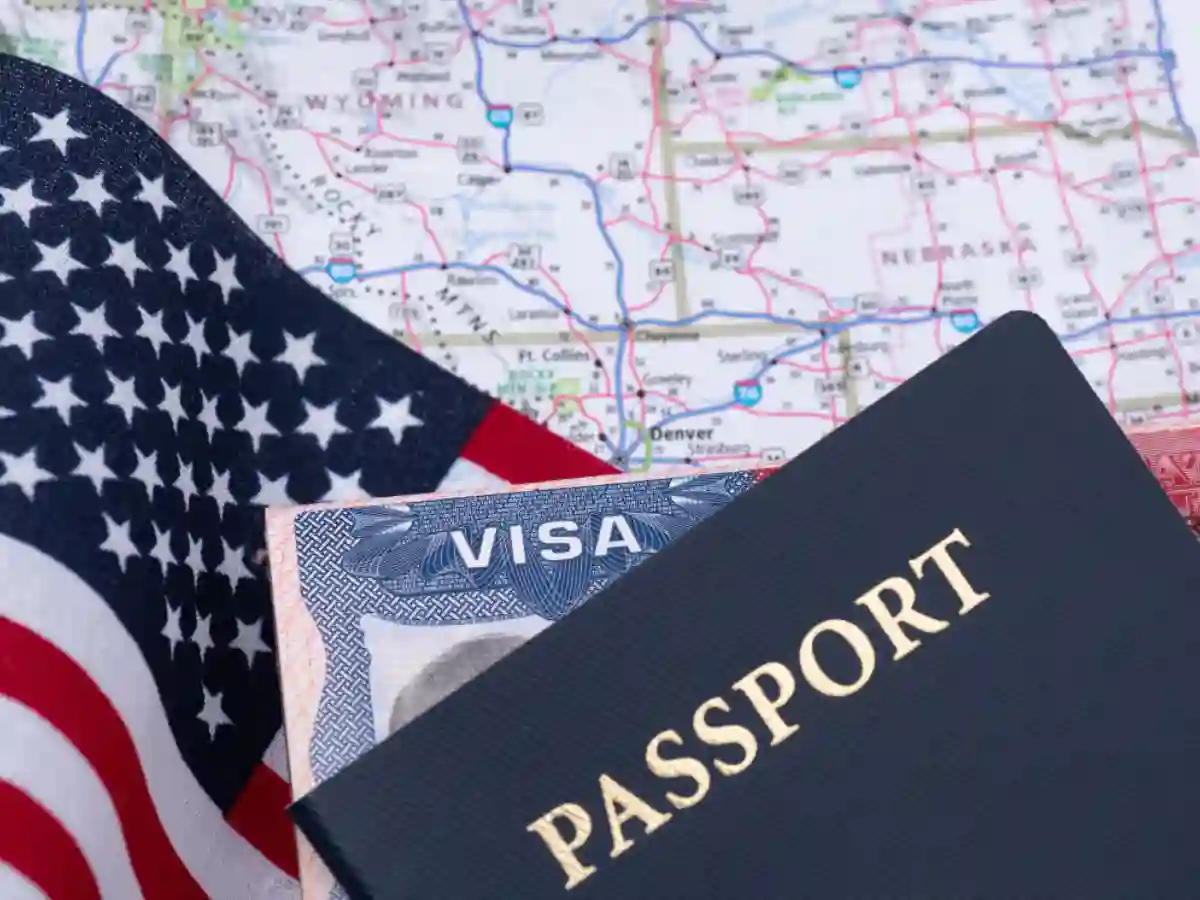
In a move to provide limited relief to American employers facing seasonal labor shortages, the United States will issue 35,000 additional H-2B temporary work visas in fiscal year 2026, the Department of Homeland Security (DHS) and the Department of Labor (DOL) have confirmed.
According to US authorities, these supplemental visas will be added to the regular annual H-2B visa cap of 66,000. This means a total of 101,000 H-2B visas may be available in 2026, depending on demand and eligibility requirements.
However, the latest allocation represents a sharp decline compared to the previous three years. Between 2023 and 2025, the US government released significantly higher numbers of supplemental H-2B visas.
Visit Times of Karachi website for the latest news-related content
The 2026 increase is nearly 50 percent lower, raising concerns among industries that rely heavily on foreign seasonal workers.
What is US H-2B Visa?
The H-2B visa program allows US employers to hire foreign workers for temporary, non-agricultural jobs when qualified American workers are not available.
These jobs are usually seasonal, one-time, or related to peak demand periods.
Industries that commonly employ H-2B workers include hospitality, tourism, seafood processing, landscaping, forestry, construction support services, amusement parks, transportation services, and certain manufacturing sectors.
READ: Over 700,000 Pakistanis left country for overseas employment in 2025
The visa is employer-sponsored and time-limited, meaning workers must return to their home countries once their approved employment period ends.
Which sector gets additional H-2B US visas?
According to DHS and DOL, the additional 35,000 visas for 2026 will be prioritised for critical sectors such as seafood and food processing, forestry, hospitality, tourism, transportation services, and manufacturing.
Officials expect strong competition among employers due to the reduced number of supplemental visas.
Impact on Employers and Workers
US employers have warned that fewer additional visas could worsen labor shortages, particularly during peak seasons.
They also fear tighter filing deadlines and greater uncertainty in workforce planning. Many businesses argue that the H-2B program is essential to maintaining operations during periods of high demand.
Follow the Times of Karachi channel on WhatsApp
For foreign workers, the reduced allocation means tougher competition and fewer opportunities to secure temporary employment in the United States. Only nationals from DHS-approved countries are eligible for the H-2B program.
Which countries are eligible for H-2B US visas?
These countries include Mexico, Jamaica, the Philippines, Thailand, the United Kingdom, Japan, Brazil, and several others. Major labour-sending countries such as India, Pakistan and China remain excluded from the program.