





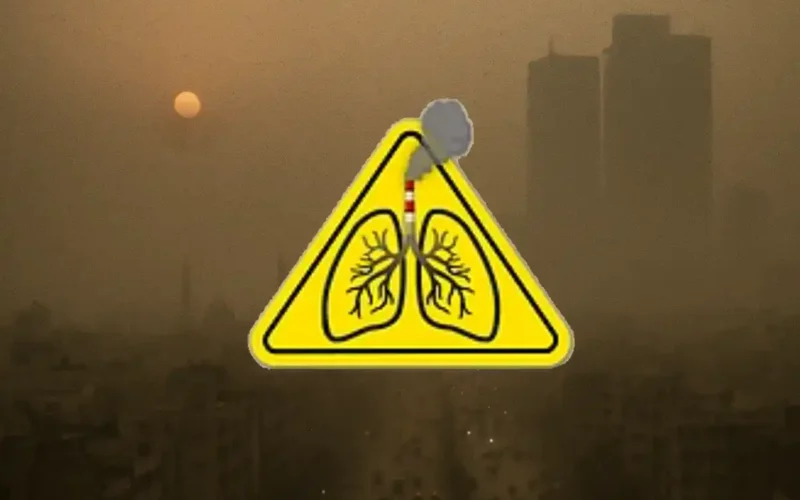
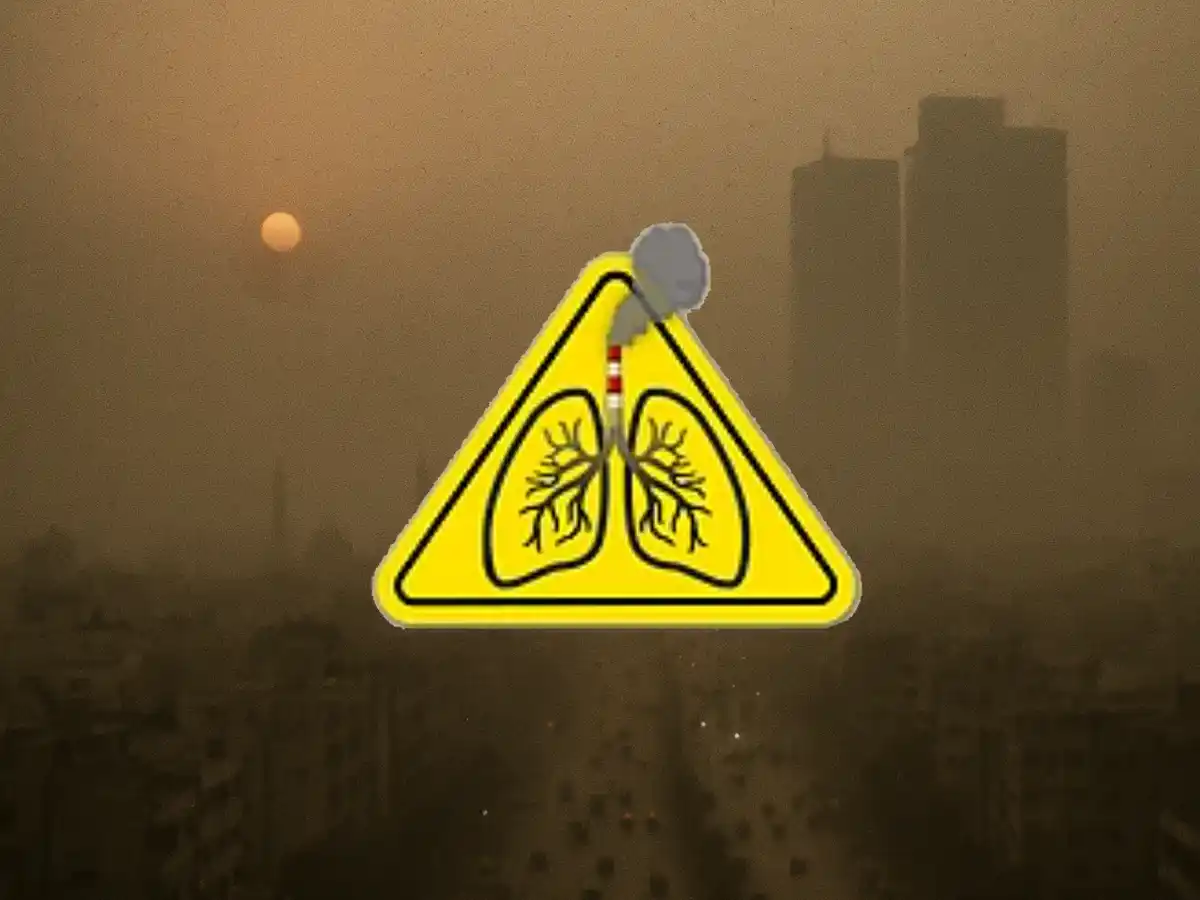
Karachi’s severe air pollution crisis worsened dramatically on Monday. Several key areas tipped into the “Very Unhealthy” category for the first time this season.
North Nazimabad recorded a frightening AQI of 226, a major jump. This “Very Unhealthy” air poses serious health threats to every resident outdoors.
Orangi Town (187) and Garden (180) also reported alarmingly high readings. The data shows a clear trend of escalating pollution across the city’s districts.
Visit Times of Karachi website for the latest news-related content
The forecast for the next three days, including New Year’s Eve, remains grim. Predictions show no relief, with hazardous conditions expected to persist into 2026.
Even typically better areas like DHA Phase 5 (184) and Clifton (178) are now severely affected. No part of the city is safe from the toxic smog.
The concentration of PM2.5 particles is at a dangerous peak. These invisible pollutants can enter the bloodstream, causing long-term cardiovascular and respiratory damage.
This news report is produced in collaboration with Climate Action Center Karachi.
How many categories are there to measure Air Quality?
AQI 0–50: Good
The air quality is considered excellent, with minimal or no risk to public health. There are no necessary precautions for the general population.
AQI 51–100: Moderate
Air quality is generally acceptable; however, there may be a slight health concern for a small number of individuals who are unusually sensitive to air pollution. Active children, adults, and people with respiratory conditions like asthma should consider limiting prolonged outdoor activity.
AQI 101–150: Unhealthy for Sensitive Groups
Sensitive individuals, such as those with asthma or other respiratory issues, may begin to experience health effects, although the general population is unlikely to be affected. It is advised that active children, adults, and those with respiratory conditions limit extended outdoor exertion.
Follow the Times of Karachi channel on WhatsApp
AQI 151–200: Unhealthy
Health effects may begin to affect everyone, with sensitive groups potentially experiencing more serious symptoms. Active children and adults, and people with respiratory illnesses should avoid prolonged outdoor activity, while others—especially children—should reduce outdoor exertion.
AQI 201–300: Very Unhealthy
This range signals emergency-level health warnings. The entire population is more likely to experience adverse health effects. Those with respiratory conditions and active individuals should avoid all outdoor activity, while everyone else, particularly children, should limit time spent outdoors.
To stay informed about current Karachi Air Quality, visit TOK Weather Page
AQI 300+: Hazardous
Air quality is extremely poor, posing a serious risk to health for everyone. A health alert is in effect, and all outdoor exertion should be avoided by the entire population.