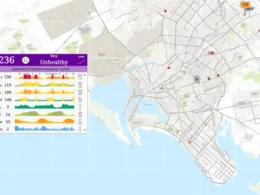






Karachi continues to grapple with a severe and widespread air pollution crisis, as real-time data from across the metropolitan area shows ‘Unhealthy’ levels of fine particulate matter (PM2.5) persisting in nearly every district.
Readings collected from key locations consistently fall within the “Unhealthy” band (150-200 AQI), far exceeding the World Health Organization (WHO’s) safe limits and posing a significant public health threat.
In central business and educational hubs, levels are critically high: NED University City Campus in Saddar recorded a PM2.5 concentration of 179, while G3 Engineering Consultants nearby reported 178.
Visit Times of Karachi website for the latest news-related content
Similarly, upscale neighborhoods are not spared, with DG House in DHA 5 measuring 175. The data indicate a uniform toxic blanket over the city, from Orangi Pilot Project (172) in the west to locations in Malir District (170) in the east.
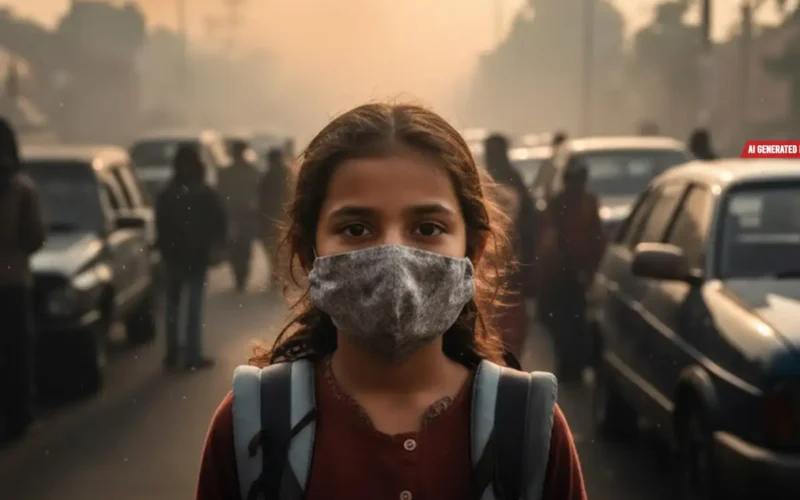
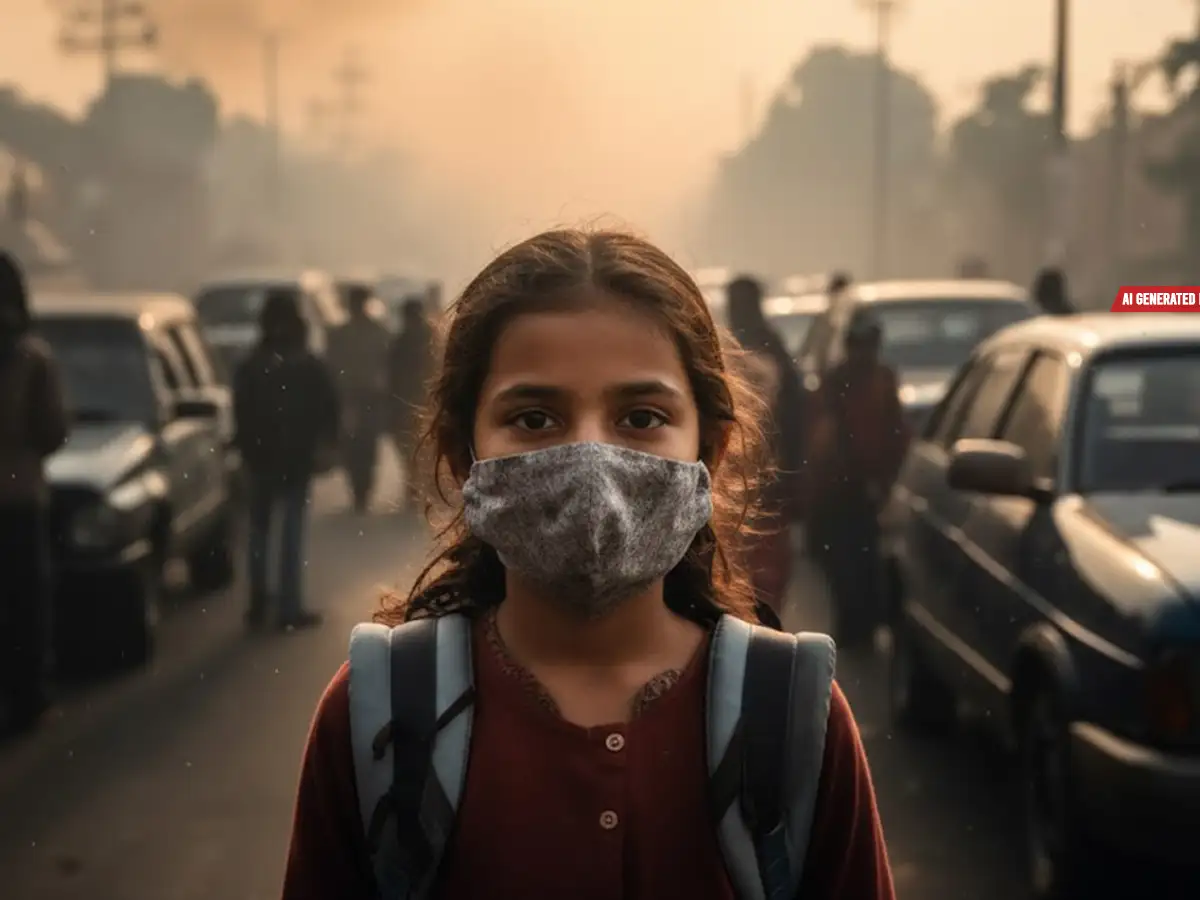
The primary pollutant, PM2.5, consists of microscopic particles that penetrate deep into the lungs and bloodstream.
Prolonged exposure at these levels is scientifically linked to aggravated asthma, increased risk of heart attacks and strokes, reduced lung function, and other serious respiratory and cardiovascular illnesses. Children, the elderly, and individuals with pre-existing conditions are at extreme risk.
This news report is produced in collaboration with Climate Action Center Karachi.
How many categories are there to measure Air Quality?
AQI 0–50: Good
The air quality is considered excellent, with minimal or no risk to public health. There are no necessary precautions for the general population.
AQI 51–100: Moderate
Air quality is generally acceptable; however, there may be a slight health concern for a small number of individuals who are unusually sensitive to air pollution. Active children, adults, and people with respiratory conditions like asthma should consider limiting prolonged outdoor activity.
AQI 101–150: Unhealthy for Sensitive Groups
Sensitive individuals, such as those with asthma or other respiratory issues, may begin to experience health effects, although the general population is unlikely to be affected. It is advised that active children, adults, and those with respiratory conditions limit extended outdoor exertion.
Follow the Times of Karachi channel on WhatsApp
AQI 151–200: Unhealthy
Health effects may begin to affect everyone, with sensitive groups potentially experiencing more serious symptoms. Active children and adults, and people with respiratory illnesses should avoid prolonged outdoor activity, while others—especially children—should reduce outdoor exertion.
AQI 201–300: Very Unhealthy
This range signals emergency-level health warnings. The entire population is more likely to experience adverse health effects. Those with respiratory conditions and active individuals should avoid all outdoor activity, while everyone else, particularly children, should limit time spent outdoors.
To stay informed about current Karachi Air Quality, visit TOK Weather Page
AQI 300+: Hazardous
Air quality is extremely poor, posing a serious risk to health for everyone. A health alert is in effect, and all outdoor exertion should be avoided by the entire population.