




A strong, unpleasant odour greeted many Karachi residents on Wednesday morning, especially those residing close to the coastline. Environmental expert and Climate Action Centre Director Yasir Husain explained the causes behind this unpleasant smell.
Follow Times of Karachi on Google News and add as a preferred Source on Google
According to Yasir Husain, Karachi’s coastal location means living organisms from the sea arrive at the shore throughout the year.
These include tiny plankton that are invisible to the eye and various types of shellfish. The foul smell cause begins when these organisms reach the coastline and accumulate.
Husain explained that sudden heat in recent days caused these marine organisms to decompose rapidly. The decomposition process produced the strong odour that spread across the city.
Since sea breezes are currently blowing towards the city, the smell travelled from coastal areas into populated neighbourhoods.
The environmental expert noted that this is the time when the monsoon season is ending.
Temperatures increased significantly last week, and expected rainfall did not occur. This combination of heat and dryness accelerated the decomposition of plankton and other marine matter along the shore.
Yasir Husain also pointed to another source of the foul smell.
Nullahs and drains that empty into the sea contain stagnant water, especially during high tide. The Karachi foul smell cause was particularly noticeable near the Mahmoodabad Nullah, which flows towards Korangi Creek. Both sides of this drain emitted a strong odour.
The expert explained that gases like methane are produced in these stagnant water channels. However, he reassured citizens that this is not a life-threatening situation.
The smell will decrease with time, and people simply need to maintain some distance from the affected areas.
Husain advised citizens not to touch any of the decomposing material on the shore. He added that tropical countries like Malaysia and Indonesia experience similar situations regularly.
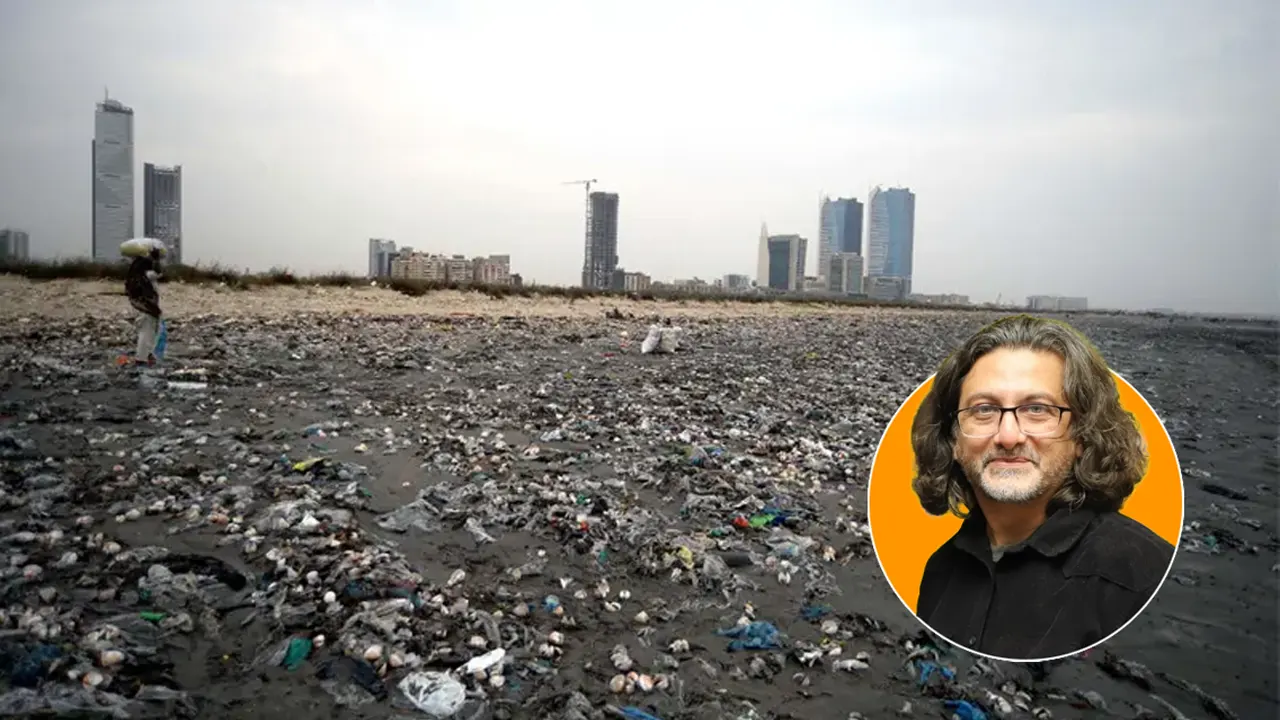
The expert also mentioned that Karachi’s beaches already face significant waste challenges.
During weekends, large amounts of garbage accumulate, and bulldozers are used to collect it. Managing both natural marine deposits and human waste requires year-round effort from authorities.