





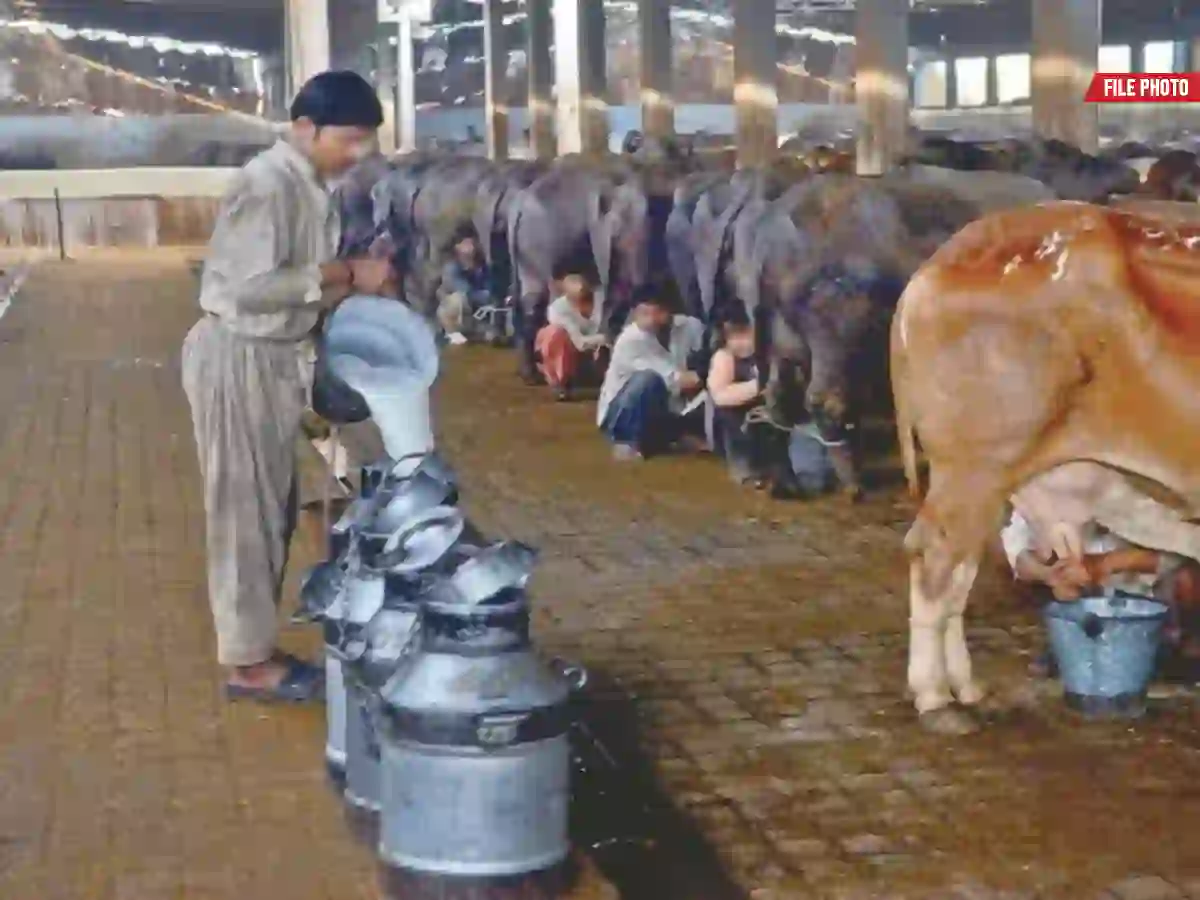
Karachi could face a milk shortage in the coming days after a strike by fodder dealers disrupted the supply of animal feed, raising concerns among dairy farmers about the availability of milk and other dairy products.
The Dairy Farmers Association has urged the Sindh government to take immediate action, warning that the continued suspension of fodder transportation could significantly affect livestock and milk production across the city.
According to the association, letters have been sent to Sindh Chief Minister Murad Ali Shah, the Chief Secretary, the Karachi Commissioner, and the Inspector General of Sindh, requesting urgent intervention to resolve the crisis.
The association said fodder transportation from Sindh and Balochistan has remained suspended since July 20, resulting in a severe shortage of animal feed.
Dairy Farmers Association representative Shaukat Mukhtar warned that Karachi’s milk supply chain could be disrupted if the strike continues.
He said livestock owners are already facing difficulties in obtaining sufficient feed for their animals, which could reduce milk production in the coming days.
Mukhtar appealed to the authorities to immediately restore fodder transportation, warning that prolonged disruptions could create serious nutritional challenges for livestock and affect the availability of dairy products across Karachi.
If fodder supplies are not restored soon, dairy farmers fear consumers could experience shortages of milk and related dairy products.
Karachi relies heavily on daily supplies from surrounding areas, making uninterrupted transportation of cattle feed essential for maintaining milk production and distribution.
Authorities have not yet announced any measures to resolve the dispute or restore the supply chain.
The latest crisis comes just months after milk prices were increased in Karachi.
Earlier in March, the Karachi Commissioner issued an official notification revising milk prices following discussions with representatives of dairy farmers.
Under the revised rates:
- Dairy farmer price: Rs215 per litre
- Wholesale price: Rs225 per litre
- Retail price: Rs240 per litre
At the time, dairy farmers said rising production costs had made it impossible to continue selling milk at previous prices.
According to dairy farmers, increasing expenses related to livestock feed, transportation, and farm operations have continued to place financial pressure on milk producers.
The ongoing fodder supply disruption is expected to further increase these challenges if the issue remains unresolved.
Any disruption in fodder transportation or livestock supply chains can directly affect milk production, availability, and retail prices in the city.