




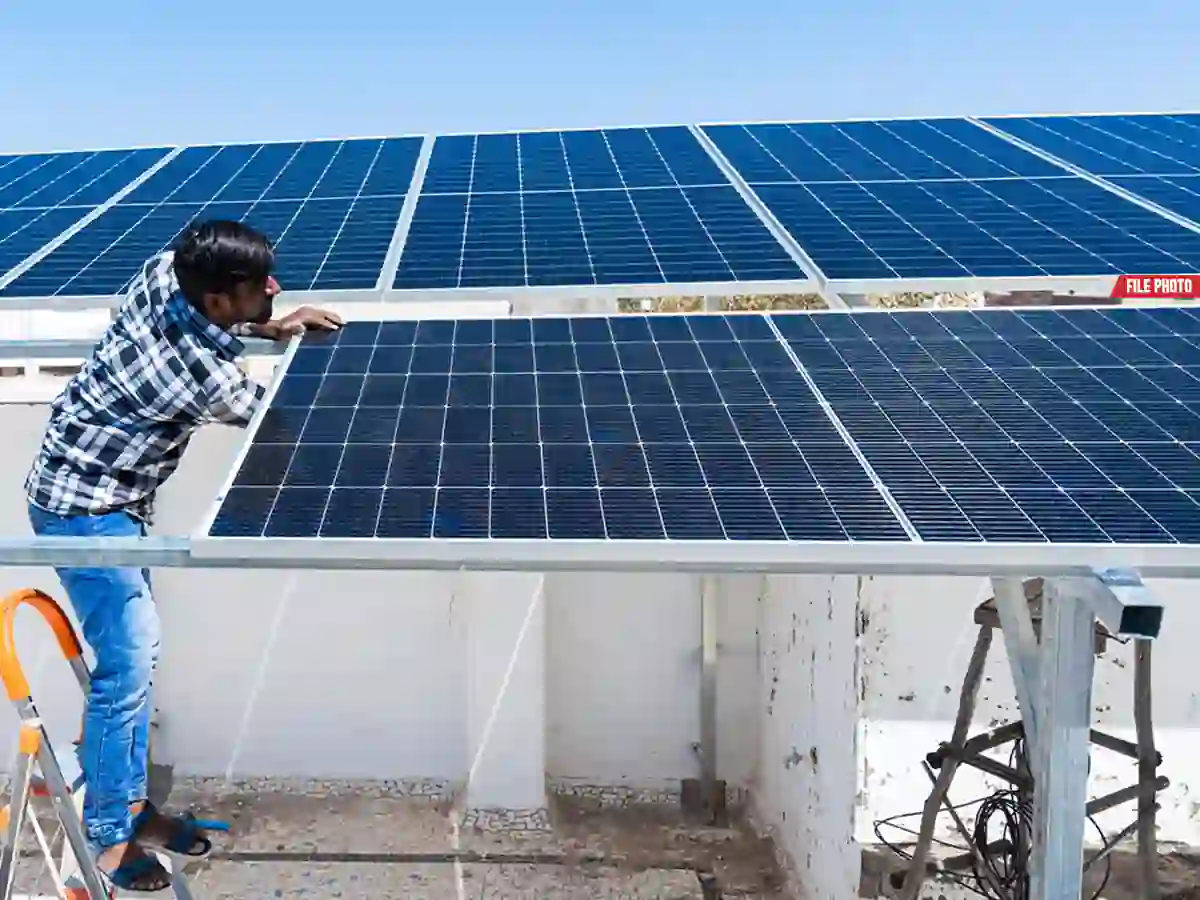
Pakistan is now the third-largest solar panel importer, fueled by a widespread shift towards rooftop systems that reduce costs for homeowners and transform the daytime energy demand in cities.
According to Pakistan’s secretary and climate change minister, Aisha Moriani, the rooftop solar power generation in cities like Lahore, Faisalabad, and Sialkot is expected to surpass the electricity needs from the Wagah grid by the time next year rolls around.
This unique situation could result in “negative demand” as consumers provide excess power into the grid.
Follow the Times of Karachi channel on WhatsApp
Aisha Moriani, who shared the report with Reuters, stated that the rapid use of solar technologies is a direct consequence of rising costs for electricity and the persistent load-shedding issues. Dissatisfied consumers are turning to solar to provide a more economical and reliable energy option.
Moriani said that the households who benefit from solar panels have seen significant decreases in their electricity costs. However, the decrease in grid usage has led to financial worries of power distribution firms, whose revenue is dependent on consumer use.
READ: How to apply for Sindh free solar system scheme
As more homes change to solar, power businesses will require adjustments to their structure to ensure that they can continue operations. To combat this issue government officials are creating new regulations to require the solar-powered industries and homes to contribute to cost of grid repairs.
Experts in the field of energy believe that these measures are crucial to stop the accumulation of debt within distribution companies. Discussions on the policy will are designed to balance relief for consumers and the stability of Pakistan’s electric grid.
Visit Times of Karachi website for the latest news-related content daily
In parallel, Pakistan is examining ways to limit its dependence on imports of gas that are expensive. Discussions with Qatar regarding costly long-term gas contracts are currently being examined as solar power is becoming more affordable and a feasible energy source.