





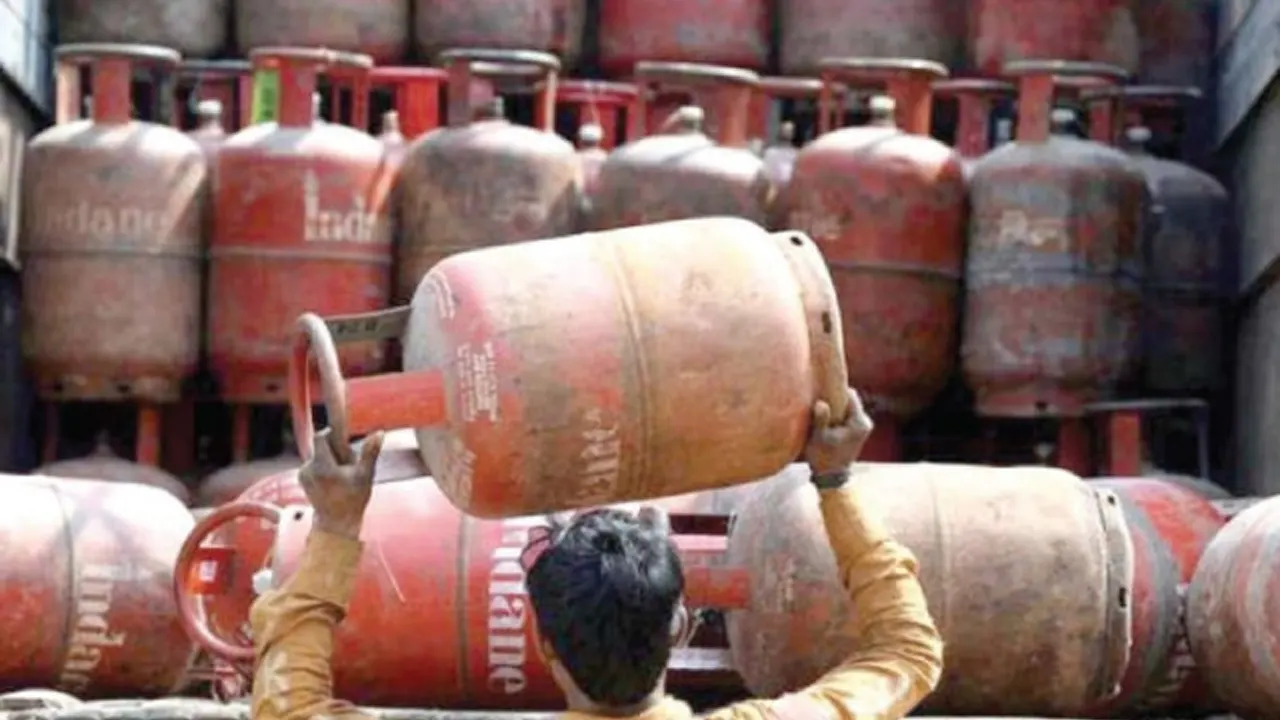
Liquefied Petroleum Gas (LPG) prices have dropped by up to Rs80 per kilogram in Karachi following an increase in imports and the arrival of several LPG-carrying vessels at Pakistani ports.
Follow Times of Karachi on Google News and add as a preferred Source on Google
According to media reports, LPG is now being sold for around Rs450 per kilogram in Karachi, compared with the previous market price of Rs530 per kilogram.
The reduction is expected to provide some relief to households and businesses that rely on LPG for cooking and other daily needs.
The decline comes as Pakistan receives increased supplies of the fuel through international shipments, including multiple cargo vessels arriving at Port Qasim within a short period.
Six LPG vessels reach Pakistan in one week
The Port Qasim Authority (PQA) reported that six LPG cargo vessels reached Pakistan within one week, indicating an increase in the availability of imported supplies.
According to the authority, several large LPG shipments arrived at Pakistani ports between November 12 and 18.
Among the latest arrivals was a vessel named Sea Shine, which docked at Port Qasim carrying 21,866 metric tonnes of LPG.
The arrival of these shipments is expected to improve the country’s LPG supply position and ease pressure on local markets.
Market sources have linked the recent price reduction to the increased availability of imported LPG.
Karachi LPG price falls from Rs530 to Rs450
Before the latest reduction, LPG was being sold for as much as Rs530 per kilogram in Karachi, creating difficulties for consumers who depend on the fuel.
Following the decline, the market price has fallen to approximately Rs450 per kilogram, offering a reduction of Rs80 per kilogram.
However, the current market rate remains significantly higher than the official price notified by the Oil and Gas Regulatory Authority (OGRA).
According to the pricing notification cited in earlier reports, OGRA had fixed the LPG price at around Rs294 per kilogram. Despite this, consumers in Karachi were reportedly paying substantially higher rates through local retailers.
The gap between the notified price and the market selling rate has raised concerns about pricing practices and the monitoring of LPG dealers.
Will increased imports bring further relief?
The arrival of additional LPG shipments could help improve supply and reduce pressure on local prices. However, the extent of further reductions will depend on the availability of imported gas, market conditions and retail pricing practices.
For consumers, the recent decline is a positive development, but LPG is still being sold well above the previously reported OGRA-notified rate.
Authorities and market regulators will need to monitor retail prices to ensure that the benefit of increased imports reaches households.