






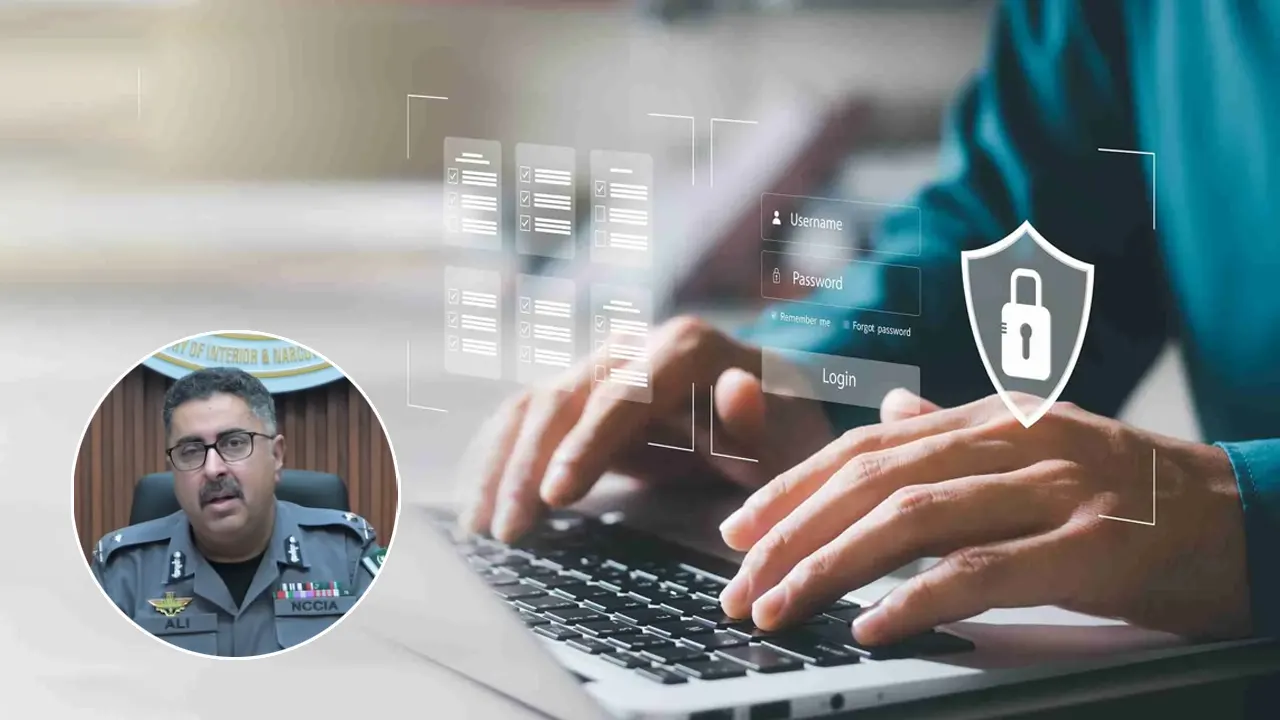
The National Cyber Crime Investigation Agency (NCCIA) has urged citizens to protect their personal information online, warning that sharing sensitive details with strangers or unverified sources can expose them to fraud, identity theft and financial losses.
Follow Times of Karachi on Google News and add as a preferred Source on Google
In a public awareness advisory, the agency advised internet users to be cautious when sharing information and responding to online requests from unknown individuals.
The NCCIA highlighted four types of information that people should keep private: Computerised National Identity Card (CNIC) numbers, bank details, account information, and passwords or One-Time Passwords (OTPs).
NCCIA Warns Against Sharing CNIC and Banking Details
The agency cautioned citizens against disclosing their CNIC numbers, bank details and account information to people they do not know or trust.
Such information can be misused by fraudsters, potentially putting people’s identities and finances at risk.
The NCCIA also warned people never to share passwords or OTPs with anyone. It said citizens should remain alert even when callers or message senders claim to represent banks or other organisations.
Passwords and OTPs are often used to protect online accounts and verify transactions. Sharing them with unauthorised individuals can allow access to personal or financial accounts.
Avoid Suspicious Links and Unverified Websites
The advisory also urged internet users not to enter personal information on suspicious links, unknown websites or unverified online platforms.
Citizens were advised to verify the source of a request before providing any sensitive details. The agency said personal information should only be shared when necessary and with trusted sources.
People should also exercise caution when responding to unexpected calls, messages or online requests, particularly those asking for private information.
How Citizens Can Protect Their Information
The NCCIA’s advisory encourages people to follow basic online safety practices, including keeping passwords and OTPs confidential, avoiding suspicious links and verifying the identity of anyone requesting personal information.
The agency’s warning highlights the risks of careless information sharing as more people use digital platforms for banking, communication and other everyday activities.
Citizens are advised to remain vigilant and avoid disclosing sensitive information unless they are certain that the request is genuine.