





The World Meteorological Organization (WMO), a United Nations agency, has warned that the El Niño climate phenomenon is expected to strengthen in the coming months and could remain active through February 2027, adding to the risks posed by already elevated global temperatures.
Follow Times of Karachi on Google News and add as a preferred Source on Google
The warning comes as the world faces a “double-edged sword” of rising temperatures driven by greenhouse gas emissions and the emergence of El Niño, which typically pushes global temperatures even higher.
According to the WMO, El Niño is expected to reach its peak by the end of this year, with its effects likely to continue into 2027. The phenomenon could have significant impacts on global temperatures and rainfall patterns, increasing the risks of extreme heat, floods and droughts in different parts of the world.
The agency said El Niño has already developed and is expected to intensify significantly in the coming months.
What are El Niño and La Niña?
El Niño is a recurring climate pattern in which large areas of the tropical Pacific Ocean become warmer than normal, contributing to a rise in global average temperatures.
Its counterpart, La Niña, is associated with cooler-than-normal waters in the tropical Pacific. The two phenomena typically occur every three to seven years, although La Niña episodes can last longer.
During normal conditions, easterly trade winds push warm surface water across the tropical Pacific towards Australia and Indonesia, while colder water rises from deeper levels in the eastern Pacific near South America.
During El Niño, these easterly winds weaken, allowing warmer water to spread eastward across the Pacific. La Niña has the opposite effect, with stronger trade winds contributing to cooler surface waters in the eastern Pacific.
El Niño to amplify global heat
Scientists say global warming has already pushed temperatures to unprecedented levels because of the continued burning of fossil fuels. El Niño could provide an additional boost to global temperatures.
UN Secretary-General António Guterres has warned that El Niño is intensifying the climate risks facing the world, with rising ocean and land temperatures contributing to increasingly unpredictable weather.
The previous major El Niño episode occurred in 2023, helping make 2024 the warmest year on record. Scientists expect the current episode to peak towards the end of 2026, while heat stored in the oceans could continue to influence atmospheric temperatures into the following year.
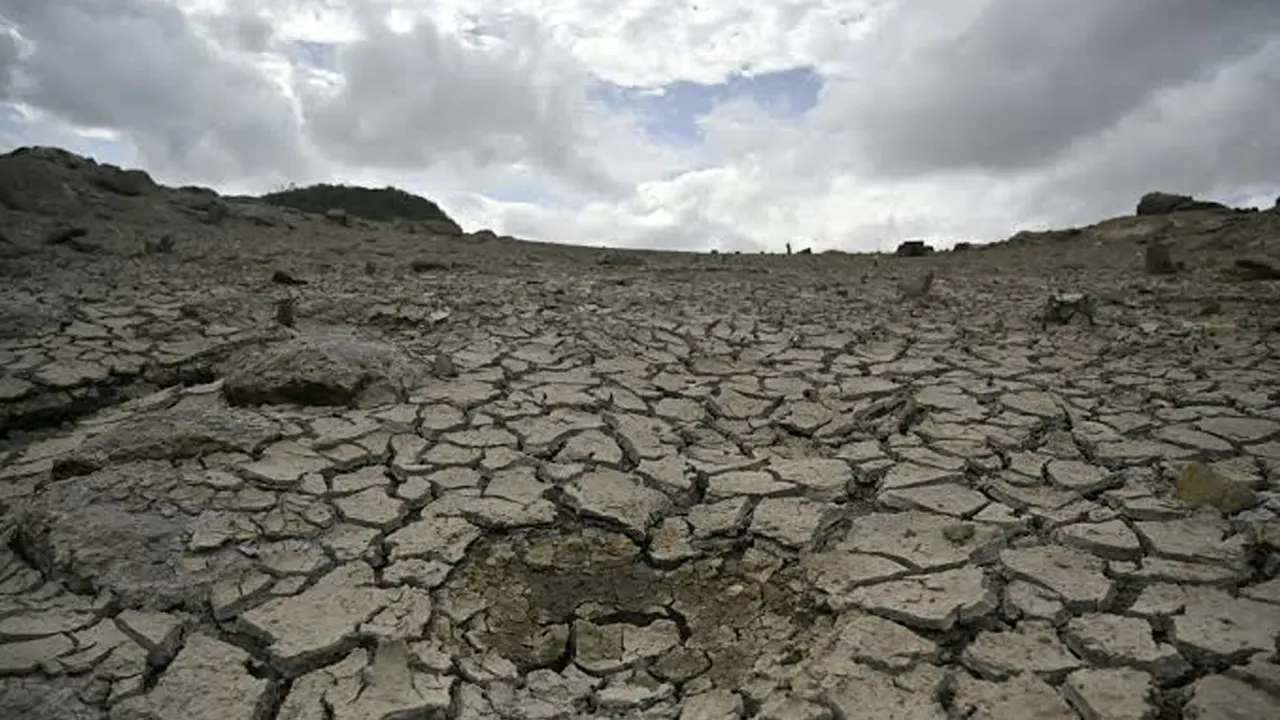
The WMO said the effects of El Niño are already being observed in parts of the world through floods and droughts, and that these impacts could become more pronounced as the phenomenon strengthens.
More than 90% of the excess heat trapped by greenhouse gas emissions is absorbed by the oceans. During La Niña, the ocean’s ability to absorb heat is generally stronger. During El Niño, however, some of that stored heat is released into the atmosphere, contributing to an increase in global average temperatures.
Scientists estimate that El Niño can raise global average temperatures by around 0.2 degrees Celsius.