






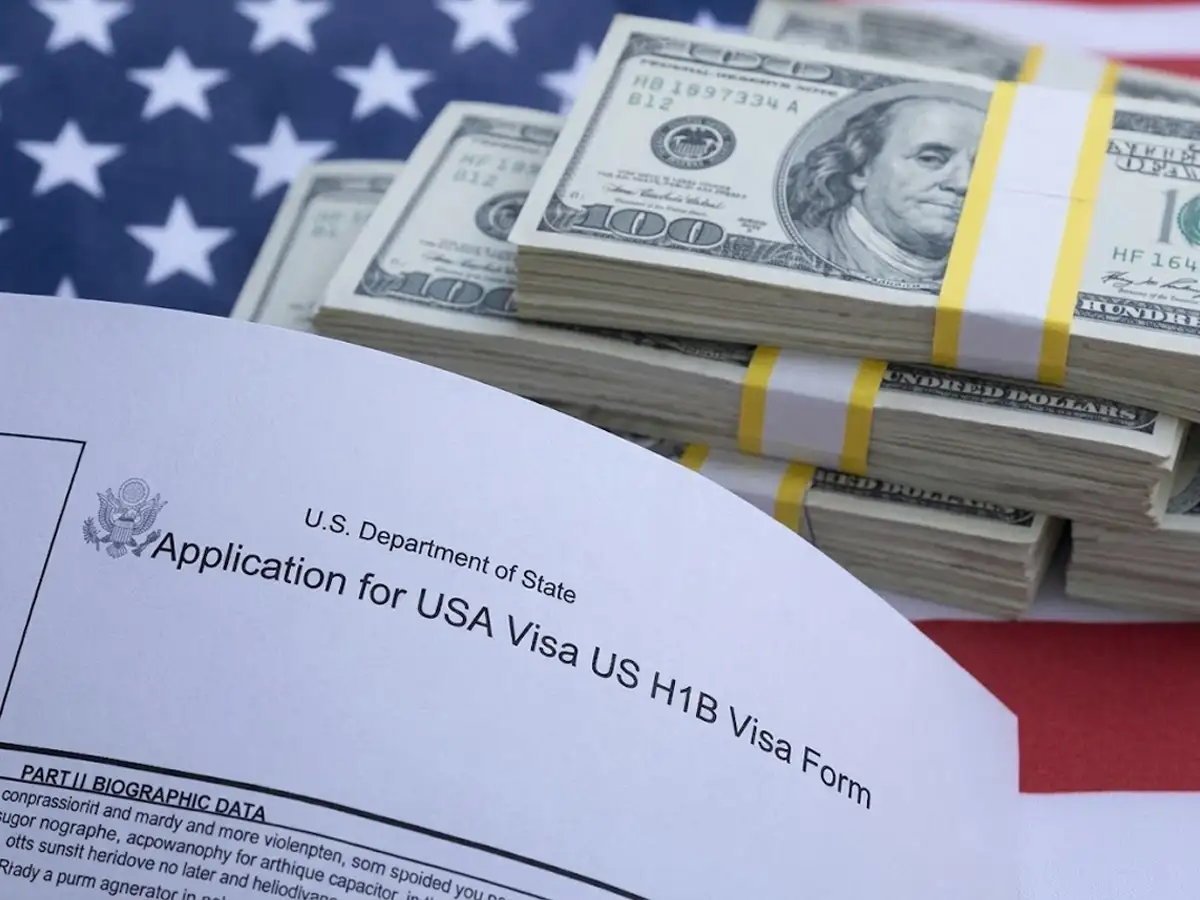
The US H-1B visa programme, a key pathway for skilled foreign professionals seeking to work in the United States, is facing major changes under the administration of President Donald Trump, including a proposed permanent increase in the visa fee to more than $103,000.
Follow Times of Karachi on Google News and add as a preferred Source on Google
The programme allows US employers to hire foreign workers in specialised occupations, particularly in technology and other highly skilled sectors. However, the administration has argued that the system can be used to replace American workers with lower-paid foreign employees.
Business groups and technology companies, meanwhile, maintain that H-1B workers help address shortages of qualified professionals in the US labour market.
What is an H-1B visa?
The H-1B programme was established by Congress in 1990 to allow US employers to temporarily employ foreign professionals in specialised occupations.
The programme is particularly important for the technology sector, with companies frequently recruiting skilled workers from countries including India and China.
Major technology companies, consulting firms and outsourcing companies are among the largest H-1B sponsors.
The programme currently provides 65,000 visas annually, along with another 20,000 visas for foreign workers holding advanced degrees from US institutions.
H-1B visas are generally issued for up to three years and can typically be extended to a maximum of six years.
Why are H-1B fees increasing?
President Trump has sharply criticised the H-1B programme and sought to make employers pay significantly more to hire foreign workers.
His administration introduced a $100,000 fee for certain H-1B applications last year. The measure is currently scheduled to expire in September.
Also Read: US visa applicants must disclose social media accounts now
The Department of Homeland Security has now proposed making the higher fee permanent, with the proposed amount rising to $103,265.
The proposed increase has drawn opposition from technology and business groups, which argue that the additional cost could make it difficult for companies to recruit specialised workers when qualified US candidates are unavailable.
Could the fee increase face legal challenges?
The H-1B fee changes are already facing legal challenges.
A federal judge in Boston ruled in June that the $100,000 fee was unlawful and blocked the Trump administration from collecting it. The decision is currently being reviewed by an appeals court.
Separately, another court is considering a challenge brought by the US Chamber of Commerce, the country’s largest business lobbying organisation.
Democratic-led states, unions and employer groups have also filed lawsuits challenging the administration’s H-1B policies.
These existing legal battles could be expanded to challenge the proposed permanent fee increase once the new rule is finalised.
Enhanced vetting creates additional hurdles
The Trump administration has also increased scrutiny of H-1B applicants.
In December, the administration announced enhanced vetting of applicants, including greater attention to issues it associated with censorship and freedom of expression.
US consulates were instructed to scrutinise applicants’ LinkedIn profiles and resumes, as well as those of accompanying family members, particularly in cases involving technology professionals seeking H-1B visas.
The changes have created additional uncertainty for companies planning international recruitment and expansion.
Follow the Times of Karachi channel on WhatsApp
Some major H-1B users have reportedly responded by expanding operations outside the United States, including increasing their presence in India.
H-1B registrations are declining
The number of employers registering for H-1B visas has also fallen significantly.
Employers registered for approximately 344,000 H-1B visas last year, more than 25% below the 2024 figure and less than half the approximately 759,000 registrations recorded in 2023, according to US Citizenship and Immigration Services data cited in court filings.
As of late February, approximately 70 employers had paid the $100,000 fee for 85 visa applications, according to court records.
The declining registration numbers, combined with higher costs and increased scrutiny, indicate that the H-1B programme is entering a period of significant uncertainty for both US employers and foreign skilled workers.