




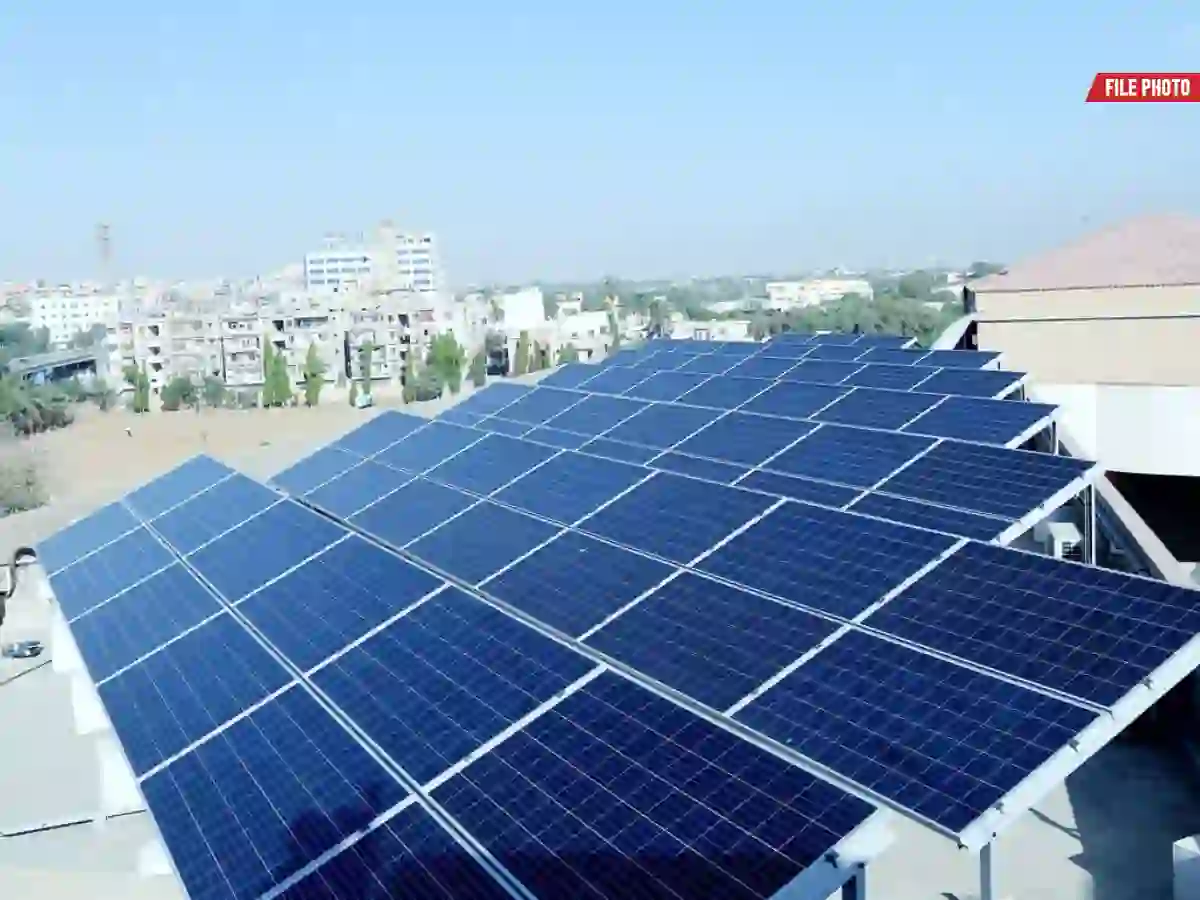
The cost of installing solar energy systems in Pakistan may rise significantly as the government considers increasing taxes on solar panels in the upcoming federal budget 2026–27, as reported by local media.
The proposed measure could make renewable energy systems less affordable for households already struggling with high electricity prices, especially at a time when solar adoption is rapidly increasing across the country.
Solar Panels May Be Classified as Luxury Items
Media reports suggest that the International Monetary Fund (IMF) has pushed Pakistan to withdraw long-standing tax exemptions on several goods, including solar panels, electric vehicles, and hybrid cars.
Visit Times of Karachi website for the latest news-related content
The IMF reportedly views these items as benefiting wealthier segments of society and has urged the government to expand the tax base under ongoing fiscal reforms.
Proposed Sales Tax Increase from 10% to 18%
Officials are reviewing a proposal to increase the sales tax on solar panels from 10% to 18% in the upcoming budget.
If approved, this 8% increase would directly raise the upfront cost of solar system installations for residential, commercial, and industrial users.
Energy experts warn that the move could slow down Pakistan’s shift toward renewable energy at a time when many consumers are turning to solar power to manage rising electricity bills.
Impact on Pakistan’s Solar Energy Growth
Pakistan has seen a strong surge in solar installations in recent years, driven by frequent power outages, increasing tariffs, and falling global solar prices.
Also Read:
Unstable policies, high taxes discourage investment
in Pakistan, says FPCCI
Experts believe that higher taxes could discourage middle-class households from investing in solar systems and slow down the country’s transition toward clean energy.
IMF Program and Economic Pressure
The government is currently negotiating a long-term financial arrangement with the IMF, which includes broader fiscal reforms such as reducing subsidies and increasing revenue collection.
Officials say Pakistan has limited flexibility due to strict conditions linked to the bailout program, leaving policymakers with few options other than expanding taxation.
Growing Concern Among Consumers and Energy Experts
Energy analysts argue that solar energy has become a critical alternative for Pakistani households facing high electricity costs and load shedding.
They warn that increasing taxes on solar equipment may create additional barriers for clean energy adoption and delay progress toward sustainable energy goals.
At the same time, policymakers are trying to balance revenue needs with the rising demand for affordable and reliable electricity solutions.
Rapid Rise of Solar Adoption in Pakistan
In recent years, solar energy has become one of the fastest-growing power solutions in Pakistan, particularly in urban areas like Karachi, Lahore, and Islamabad.
Follow the Times of Karachi channel on WhatsApp
Households, businesses, and industries have increasingly shifted toward rooftop solar systems to reduce dependency on the national grid and stabilize energy costs.
The proposed tax increase, if implemented, could reshape this growing market and influence future energy choices across the country.