





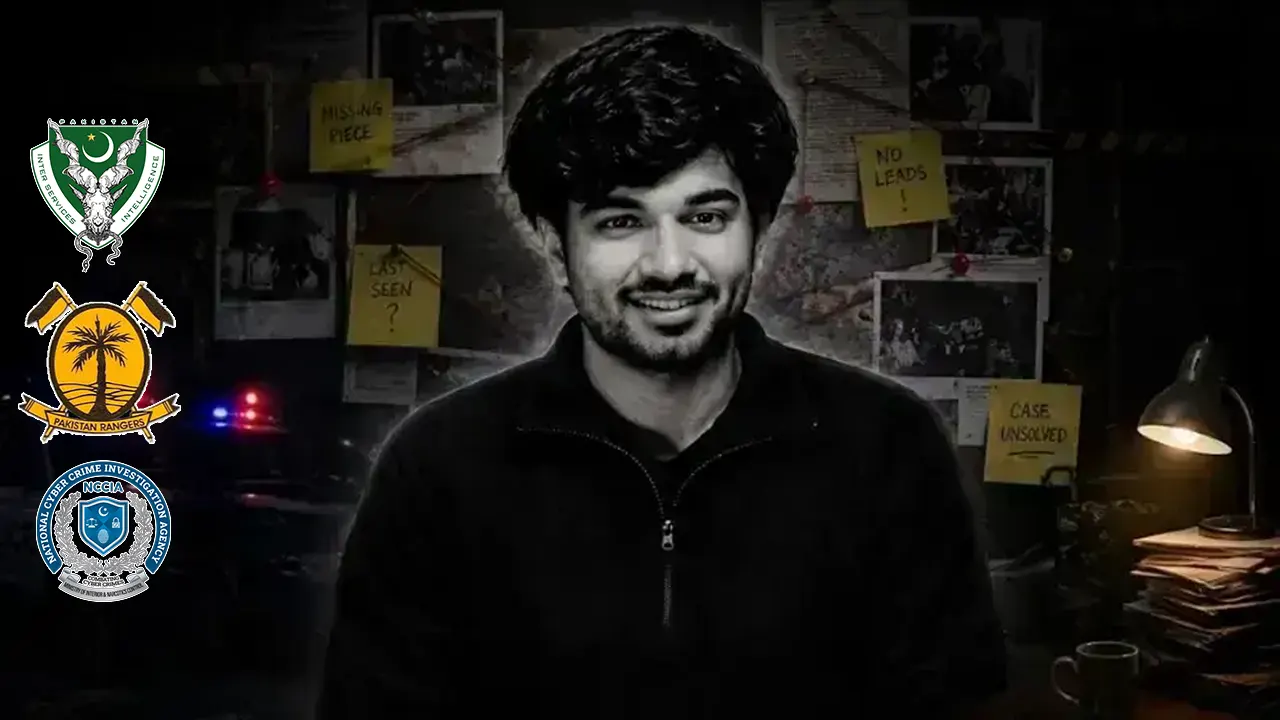
A judicial commission investigating the death of Mir Raza Ali has recommended the formation of a new joint investigation team (JIT), including representatives of the Inter-Services Intelligence (ISI), Rangers and the National Cyber Crime Investigation Agency (NCCIA), to investigate all aspects of the case.
Follow Times of Karachi on Google News and add as a preferred Source on Google
The commission, headed by Justice Umar Sial, raised serious concerns about the initial police investigation, conflicting medical findings, the handling of digital evidence and the decision to initially declare Mir Raza’s death a suicide.
The 70-page report was submitted to the Sindh chief minister on October 15. According to the report, the commission held 20 meetings between August 27 and October 7 and recorded statements from 50 witnesses.
The commission said the available evidence was insufficient to reach a final conclusion about a possible organised cover-up or determine criminal responsibility. It recommended further investigation into possible blackmail, revenge killing and other circumstances surrounding Mir Raza’s death.
Final Post-Mortem Report Identifies Bullet Wound
According to the commission’s report, police initially declared Mir Raza’s death a suicide based on a preliminary post-mortem examination. His family challenged that conclusion, pointing to marks of violence on his body and raising concerns about the medical findings.
The police surgeon subsequently identified shortcomings in the initial post-mortem report and recommended another examination.
Mir Raza’s body was re-examined on August 8. The final post-mortem report identified a bullet wound entering from the back as the cause of death.
The commission criticised the police for maintaining their initial position despite contradictions in the medical evidence. It said investigators should not have concluded that the death was a suicide without properly addressing the conflicting findings.
The report also called for further investigation into suspicious vehicles and individuals reportedly present at a guest house. It raised questions about the leadership and supervision of DIG Amir Farooqi and DIG Farukh Ali Lanjar.
Commission Questions Handling of CCTV and Digital Evidence
The commission raised serious concerns about the collection, preservation and examination of CCTV footage, mobile phones, an Apple Watch and other digital evidence.
According to the report, police failed to secure important CCTV recordings through the proper legal procedures. Instead of taking custody of the original digital video recorders, investigators reportedly recorded footage displayed on monitors using mobile phones.
The commission also identified gaps in the documentation of evidence transfers and noted that some investigative actions were not recorded in the daily police diary. It said police statements about obtaining and preserving CCTV footage contained contradictions.
Questions were also raised about how police took custody of Mir Raza’s phone, retrieved its data and accessed information stored on his Apple Watch.
The report stated that attempts to enter unauthorised passcodes made the phone’s data inaccessible and created difficulties in retrieving information from the watch, affecting the investigation.
The commission further questioned how some digital evidence reached the media and why private messages and financial information were disclosed. It noted that the disclosure of such information could damage the family’s reputation.
Financial Problems Not Enough to Establish Cause of Death
The commission also examined the police position that Mir Raza’s alleged financial difficulties may have contributed to his death.
According to the report, police referred to statements from creditors and business partners concerning outstanding liabilities. However, the commission said financial problems alone could not establish the cause of death or justify treating suicide as the definitive explanation.
It called for an independent examination of Mir Raza’s behaviour and circumstances, taking into account the reported financial pressure without relying on it as a conclusive explanation.
The report also referred to a message to Sarem bin Tahir mentioning Rs30 million. The commission said the possibility of blackmail required further investigation.
Medico-Legal Officer Dr Osama Sheikh Criticised
The commission strongly criticised medico-legal officer Dr Osama Sheikh over his conduct during the case, describing it in the report as immature, childish and unprofessional.
It recommended that Dr Osama not be assigned medico-legal duties for at least two years. The commission also called for appropriate academic and practical training before he could be entrusted with such responsibilities again.
The report said his conduct gave the impression that he might have been acting under someone’s influence. This was an observation by the commission rather than an established finding of outside influence.
The criticism came amid questions about the initial post-mortem report prepared by Dr Osama, which was later challenged over discrepancies in the medical findings.
In contrast, the commission praised head clerk Zeeshan, describing him as the only police official whose conduct brought credit to the Sindh Police in the case. It recommended that he receive recognition and further training.
Commission Questions Changes to Medical Board
The report also examined the changes made to the medical board formed to examine Mir Raza’s body.
According to the commission, an eight-member board was initially constituted under Karachi Police Surgeon Dr Samina Syed. On August 7, the Health Department reduced the board to five members and included doctors from Hyderabad and Jamshoro.
Mir Raza’s family rejected the revised composition, delaying the exhumation process.
Following public pressure and a legal notice, the original eight-member board was restored. The examination was completed on August 8.
The commission described the sudden change as unusual, unclear and legally questionable. It also called for scrutiny of the role played by the relevant Health Department officials.
August 9 Meeting at Chief Minister’s House Examined
The commission also examined a meeting held at the Chief Minister’s House on August 9, which had prompted speculation about its purpose.
According to the report, the commission found no evidence that the meeting was intended to pressure Dr Osama Sheikh or secure a medical report favouring the police.
It acknowledged that the chief minister had the authority to receive a briefing on a matter of significant public interest. However, the commission observed that inviting the police surgeon to the meeting would have been appropriate in the interests of transparency.
Departmental and Criminal Proceedings Recommended
The commission recommended departmental and, where warranted, criminal proceedings against police officials over shortcomings in the investigation.
It called for a comprehensive inquiry into SHO Adeel Afzal’s conduct and recommended his interim suspension.
The report also recommended interim suspension and departmental action against Sub-Inspector Shabbir Laghari.
In addition, it called for departmental action against SHO Kamran Qureshi and recommended his removal from the post.
The commission further recommended scrutiny of relevant Health Department officials and an investigation into the possible loss of important evidence.
New JIT Considered Necessary to Establish Responsibility
The commission said failures in the initial police response and subsequent investigation had damaged public confidence. It warned that shortcomings in preserving evidence could also affect legal proceedings.
Its recommendation for a new JIT involving ISI, Rangers and NCCIA representatives is intended to ensure a comprehensive investigation into the death, the handling of medical and digital evidence, possible blackmail and the conduct of officials involved in the case.
The report does not establish a final conclusion about a cover-up or identify definitive criminal responsibility. Those questions, along with the circumstances of Mir Raza’s death, remain subject to further investigation.
The commission stressed that establishing responsibility, addressing the identified failures and ensuring a credible investigation would be essential to pursuing justice and restoring public trust.