



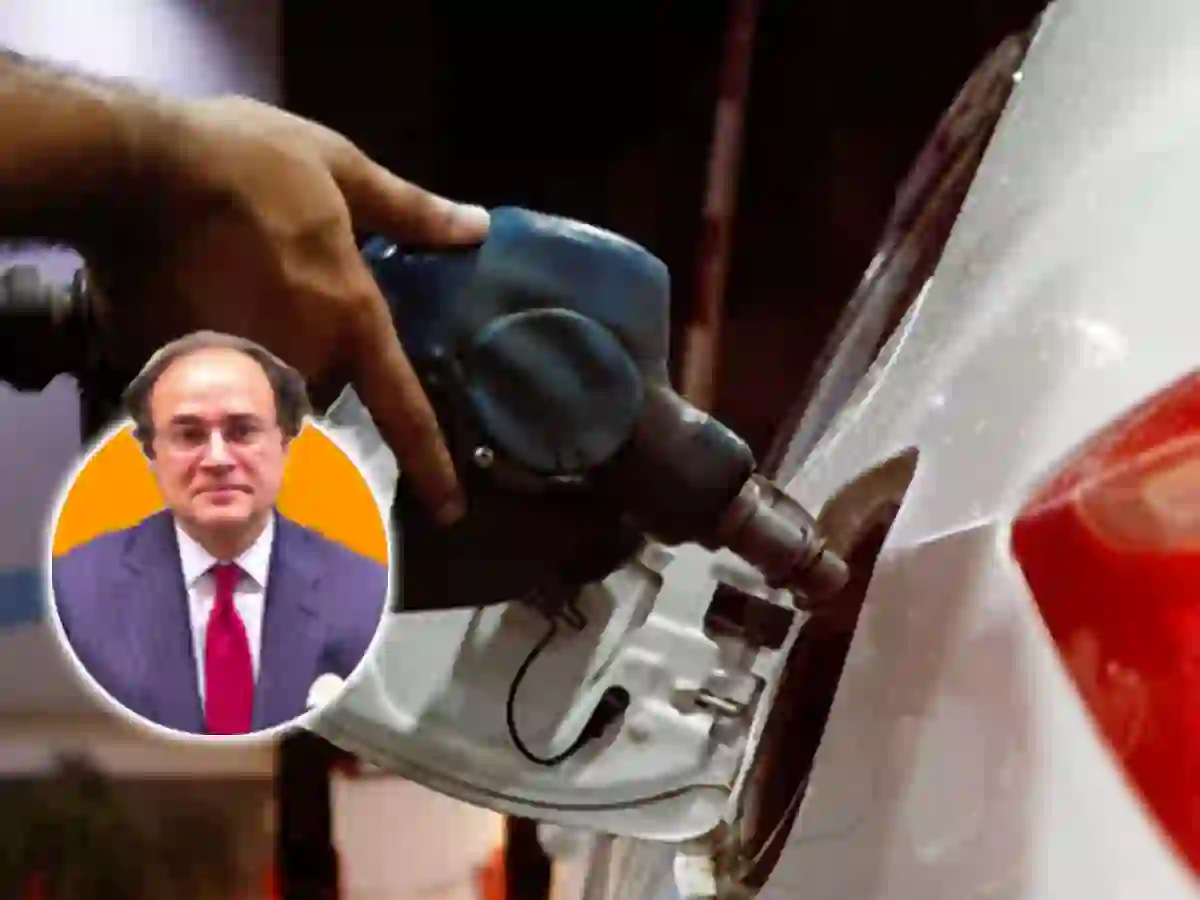
The Federal Finance Minister has shared the latest update on petrol prices in Pakistan, providing clarity on the government’s position ahead of the next price review.
Follow Times of Karachi on Google News and add as a preferred Source on Google
Federal Finance Minister Muhammad Aurangzeb has said that if global petroleum prices continue to fall, the government will fully pass on the benefit to the public through lower fuel costs and related relief measures.
He made these remarks during a talk show on local media, where he explained the government’s current economic direction and pricing strategy.
Visit Times of Karachi website for the latest news-related content
The minister stated that both Prime Minister Shehbaz Sharif and the Petroleum Ministry have a clear policy stance. According to him, any reduction in international oil prices will directly reflect in domestic markets without delay or partial adjustment.
He further clarified that the petroleum levy was already part of the tax system before the recent regional tensions. This means it is not a new burden created due to current geopolitical developments, but an existing fiscal tool used by the state.
Also Read:
Govt earning nearly Rs145 tax on
every litre of petrol: Report
Aurangzeb also said that the Federal Board of Revenue (Federal Board of Revenue) can still meet its revenue targets without relying heavily on the petroleum levy alone. He suggested that broader tax reforms and improved compliance are helping stabilize fiscal performance.
In addition, he highlighted that the government is currently providing a targeted subsidy of around Rs 130 billion. This subsidy is designed to protect low-income and vulnerable groups from the impact of inflation and energy price fluctuations.
Follow the Times of Karachi channel on WhatsApp
On inflation trends, the finance minister estimated that the inflation rate is likely to stay around 8.2 percent in the coming period. He expressed optimism that if regional geopolitical tensions continue to ease, inflation could drop further, improving overall economic stability.
Aurangzeb also discussed Pakistan’s resilience during recent regional tensions that began earlier this year. He noted that despite uncertainty, the domestic economy remained stable, with no reports of panic buying, fuel shortages, or long queues at petrol stations across the country.
He credited this stability to better supply chain management and coordinated government response, which helped maintain normal market functioning even under external pressure.