





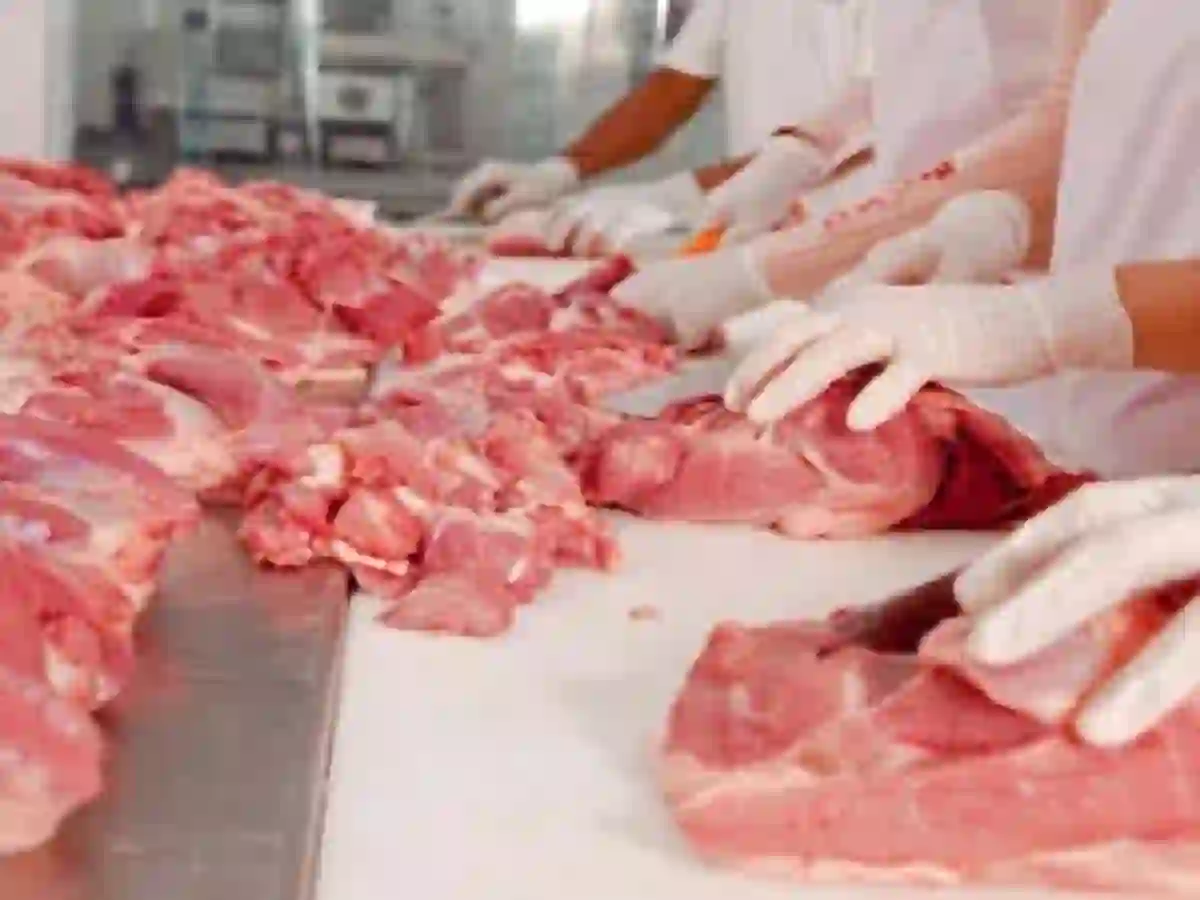
As Eid ul Adha 2026 approaches, many families across Pakistan are preparing to store qurbani meat safely for later use. With large quantities of beef and mutton distributed during Eid, proper meat preservation becomes essential to maintain freshness, taste, and food safety.
Food experts say sacrificial meat can remain usable for several weeks or even up to one year if stored correctly using freezing and preservation techniques.
Proper Freezer Storage Helps Keep Meat Fresh Longer
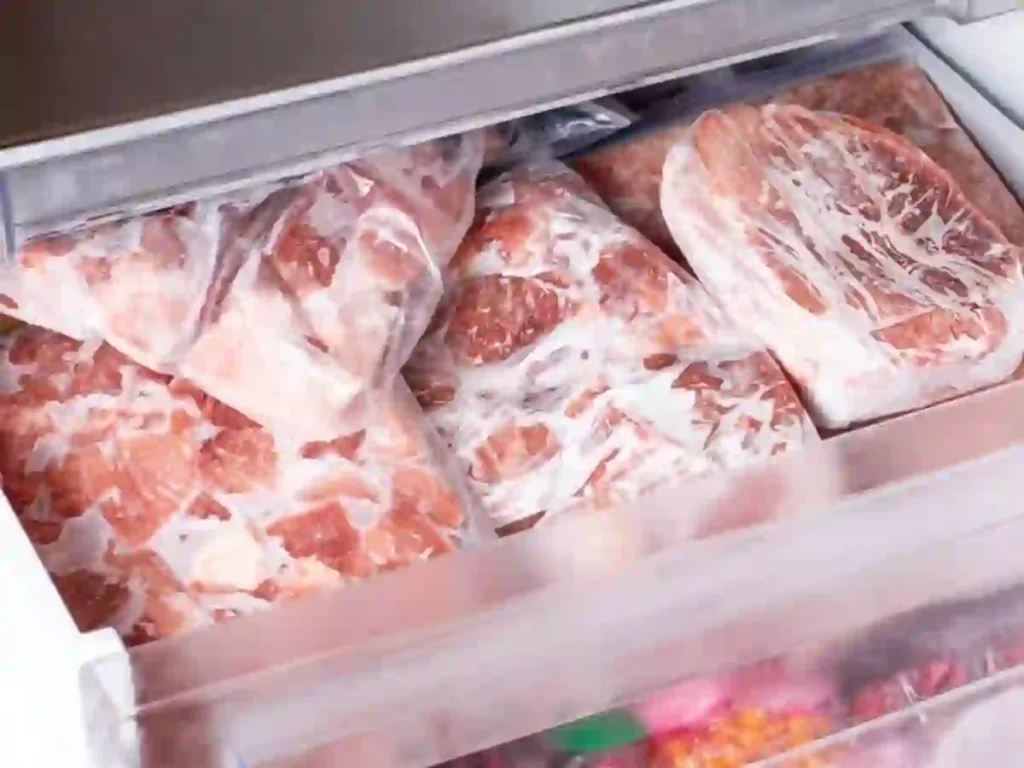
Experts recommend packing meat carefully before placing it inside the freezer to reduce air exposure and prevent freezer burn.
Visit Times of Karachi website for the latest news-related content
Freezer-safe plastic bags, airtight containers, and aluminum foil are commonly used for long-term storage. Removing excess air from bags before sealing also helps maintain meat quality.
Food specialists further advise removing large bones before freezing because bones occupy extra space and increase freezer load. Wrapping sheets or freezer paper between portions can also prevent meat pieces from sticking together.
According to food safety guidelines, freezer temperatures should remain at 0°F or lower to preserve meat safely for extended periods.
Recommended Meat Storage Duration
Different types of meat have different storage limits inside freezers.
Experts say raw meat can usually remain frozen safely for four to twelve months depending on packaging quality and freezer conditions.
Also Read:
Top 10 Delicious Pakistani Beef Recipes
to Make This Eid ul Adha
However, minced meat should ideally be consumed within three months because it spoils faster compared to larger cuts.
Cooked meat dishes can also be frozen and safely stored for up to three months if sealed properly in airtight containers.
Ice Coolers Can Help During Electricity Outages
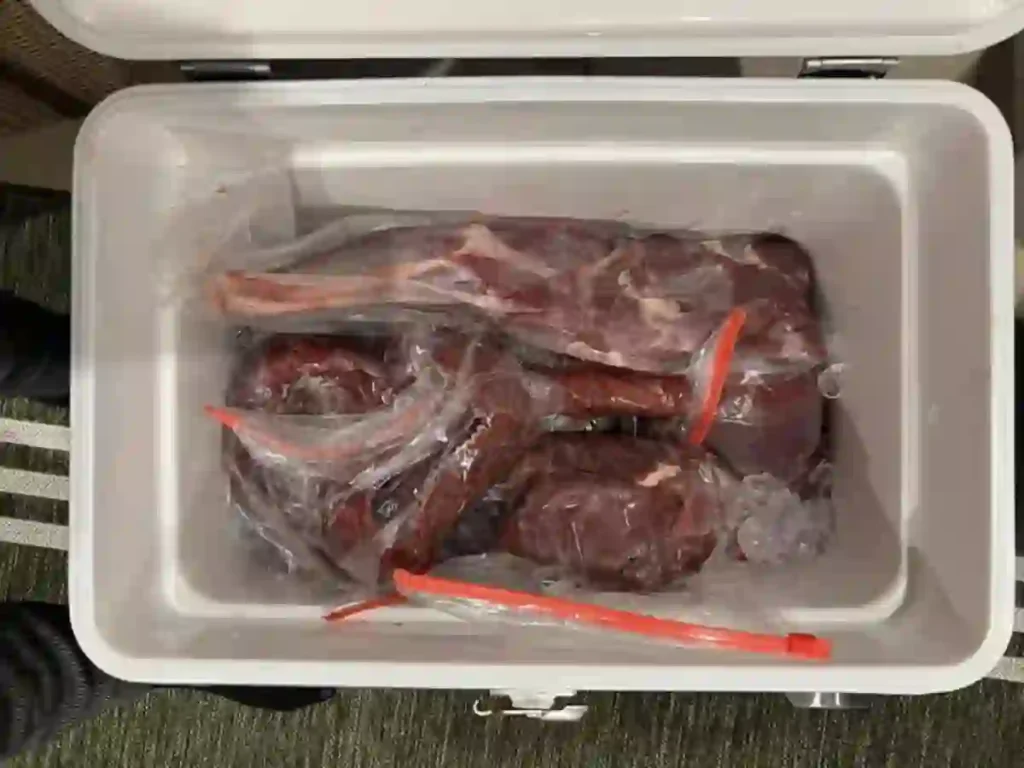
In areas facing load shedding or electricity shortages, insulated water coolers can temporarily help preserve meat.
Experts recommend placing ice at the bottom of the cooler, followed by meat layers covered with additional ice. The melted ice should be replaced regularly to maintain low temperatures.
This method is considered useful for short-term storage during emergency situations or prolonged power outages.
Salt Preservation Remains a Traditional Method
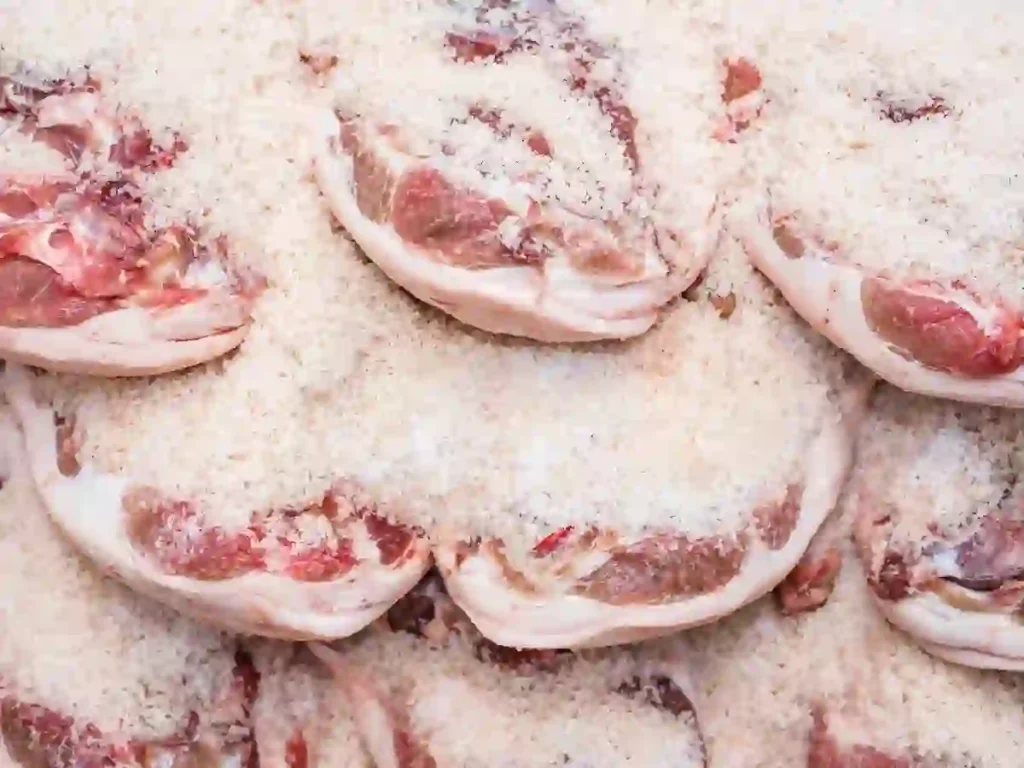
Salt preservation continues to be one of the oldest and most reliable traditional methods for storing meat.
Food experts suggest coating meat thoroughly with curing salt before placing it in airtight containers kept in cool temperatures between 36°F and 40°F.
Using this method, meat can remain preserved for nearly one month. However, experts advise washing excess salt from the meat before cooking.
Safe Defrosting Is Important for Food Safety
Experts strongly discourage thawing frozen meat at room temperature for long periods because it increases the risk of bacterial growth.
Instead, frozen meat should be placed in sealed packets inside cold water, while the water should be changed every 30 minutes until thawed completely.
Follow the Times of Karachi channel on WhatsApp
Consumers are also advised to check the meat’s smell and color before cooking. Any unusual odor or discolored outer layer may indicate spoilage and should be discarded immediately.
Proper Preservation Reduces Waste During Eid
Eid ul Adha often results in households receiving large quantities of meat within a short period. Proper freezing, storage, and handling techniques help families reduce food waste and safely use qurbani meat over several months.
Experts emphasize that maintaining hygiene, proper temperatures, and airtight packaging are the key factors for preserving meat quality during the Eid season.